Call Us TODAY: (417) 772-3184
Understanding the Pool Leak Detection Process: What Homeowners Should Know?
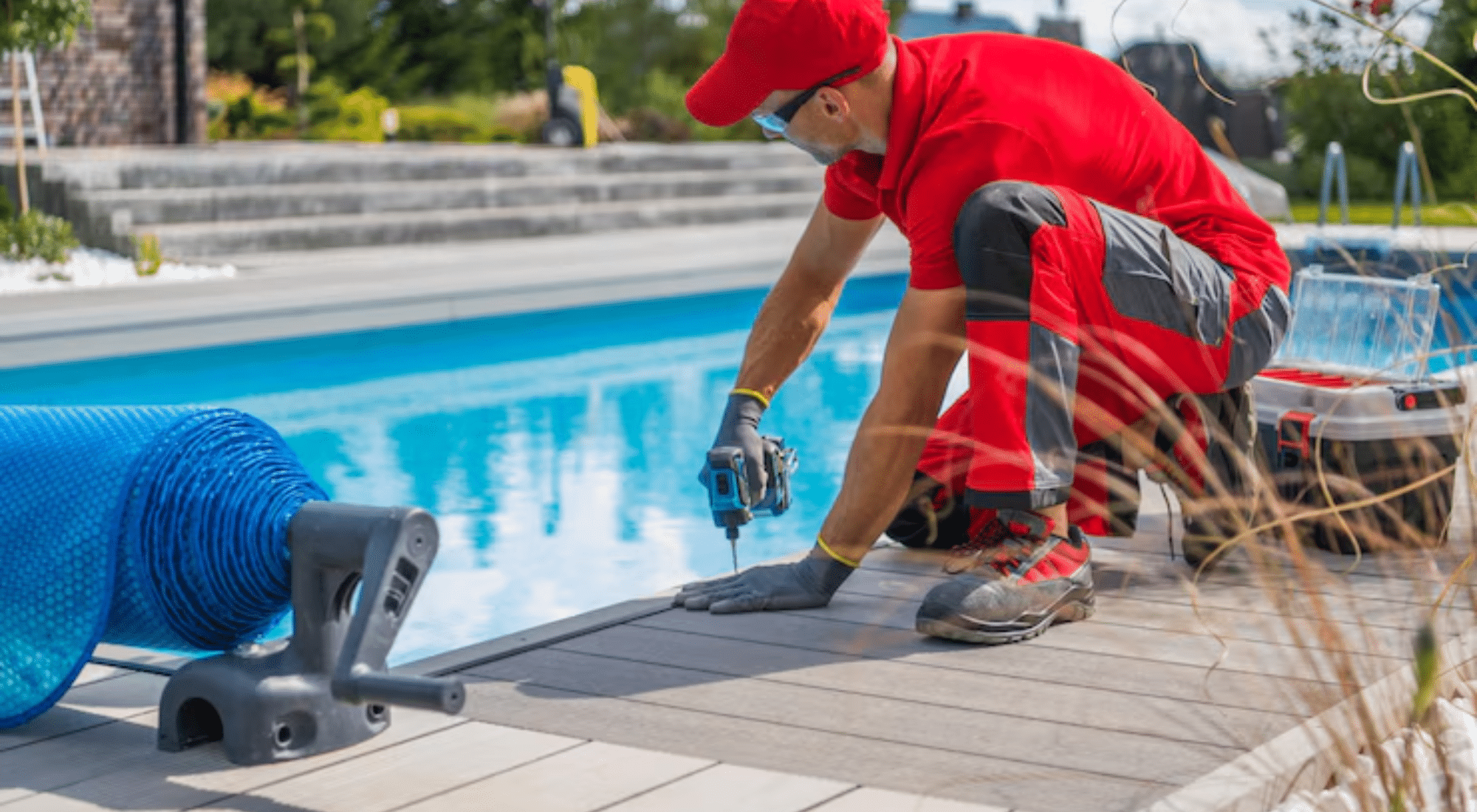
Owning a pool is a joy for many homeowners, offering a refreshing oasis for relaxation and recreation. However, along with the pleasure of pool ownership comes the responsibility of maintenance and upkeep. One of the most concerning issues for pool owners is the occurrence of leaks, which can lead to water loss, structural damage, and increased utility bills. Understanding the pool leak detection process is crucial for homeowners to promptly identify and address any leaks before they escalate into larger problems.
In this blog, we’ll delve into the intricacies of pool leak detection, exploring common signs of leaks, the methods used in the detection process, and the importance of early intervention. Whether you’re a seasoned pool owner or considering installing a new pool, equipping yourself with knowledge about leak detection can save you time, money, and frustration in the long run. By learning about the detection techniques and preventive measures discussed here, you’ll be better equipped to maintain a pristine and trouble-free pool environment for years to come.
Common Signs of Pool Leaks
Pool leaks can manifest in various ways, often presenting subtle signs that can easily go unnoticed by homeowners. Recognizing these indicators early on is crucial for preventing further damage and costly repairs. Here are some common signs to watch out for:
- Water Level Fluctuations: A sudden drop in the water level of your pool, especially when not attributable to evaporation or splashing, could indicate a leak.
- Visible Cracks or Damage: Inspect the pool structure regularly for any visible cracks, chips, or damage, as these can serve as entry points for water leakage.
- Algae Growth Despite Regular Maintenance: Persistent algae growth, despite maintaining proper water chemistry and regular cleaning, may signal an underlying issue with water circulation due to leaks.
If you notice any of these signs, it’s essential to conduct further investigation to determine the cause of the problem. Ignoring these indicators can lead to more significant issues over time, such as structural damage or increased water bills. By promptly addressing suspected leaks and seeking professional assistance for inground pool leak detection when needed, homeowners can mitigate potential damage and ensure the longevity of their pool investment.
Understanding Pool Leak Detection
Understanding pool leak detection is essential for maintaining the integrity of your pool and preventing costly damage. It involves identifying and locating any leaks in the pool structure or plumbing system, allowing for timely repairs and preservation of water resources. Early detection is paramount in preventing leaks from escalating into more significant issues, safeguarding your pool’s longevity, and minimizing repair costs. Various methods are employed in the inground pool leak detection process, each serving a specific purpose and offering unique advantages.
Here are some key aspects to consider:
- Importance of Early Detection: Detecting leaks early on helps prevent water loss, structural damage, and increased utility bills. It also allows for prompt repairs, minimizing the risk of more extensive damage.
- Different Methods Used: Pool leak detection methods include pressure testing, dye testing, acoustic listening devices, and infrared imaging. Each method offers distinct advantages and may be used alone or in combination to pinpoint leaks accurately.
Professional vs. DIY Pool Leak Detection
When it comes to pool leak detection, homeowners often face the dilemma of whether to hire professionals or attempt DIY methods. Each approach has its advantages and drawbacks, depending on the complexity of the leak and the homeowner’s expertise. Here’s a breakdown of professional vs. DIY leak detection:
Advantages of Hiring Professionals:
- Expertise and experience: Professional inground pool leak detection technicians are trained to identify and repair leaks efficiently.
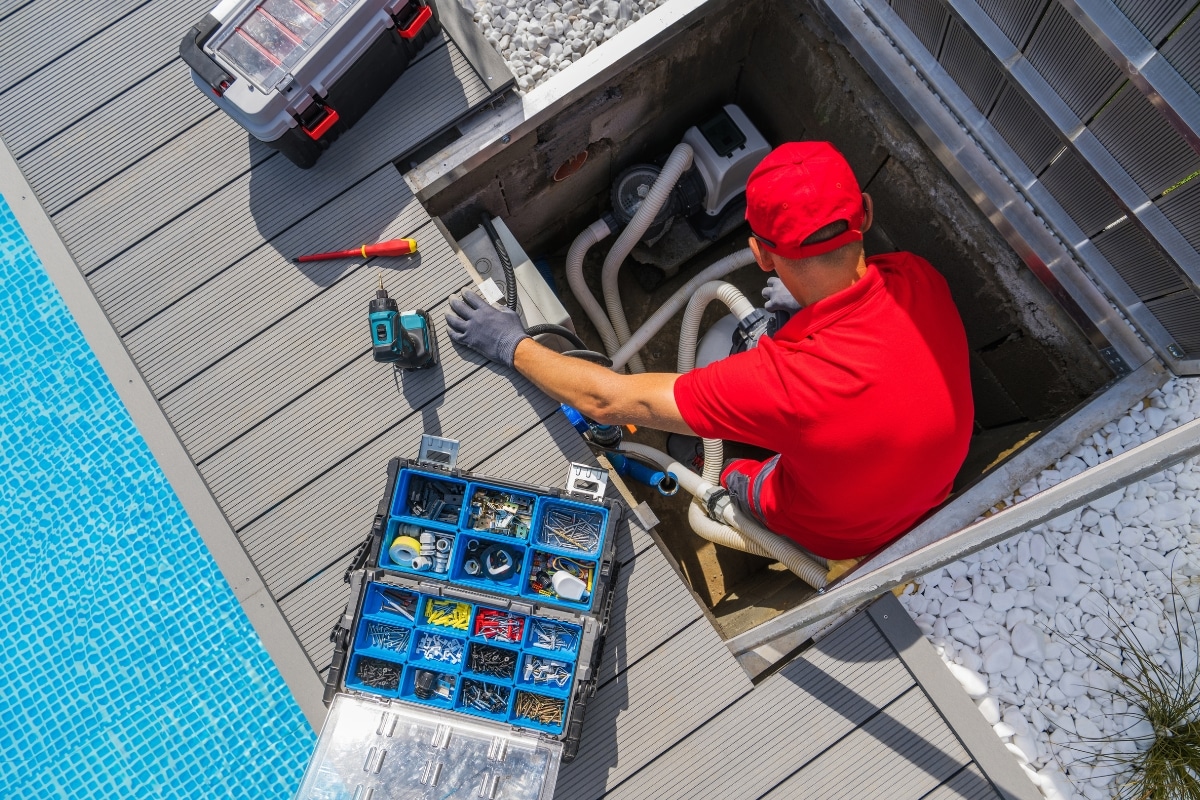
- Specialized equipment: Professionals utilize advanced tools and technology, such as electronic leak detectors and thermal imaging cameras, to pinpoint leaks accurately.
- Comprehensive assessment: Professionals can assess the entire pool system, including plumbing lines and structural components, to identify hidden leaks.
- Guaranteed results: Hiring professionals often come with warranties or guarantees on the accuracy of leak detection and repairs.
DIY Methods for Detecting Pool Leaks:
- Visual inspection: Homeowners can visually inspect the pool and surrounding area for visible signs of leaks, such as cracks or wet spots.
- Bucket test: DIY enthusiasts can perform a simple bucket test to determine if water loss is due to evaporation or a leak.
- Dye testing: Using dye or food coloring, homeowners can conduct a basic test to detect leaks around fittings or cracks in the pool structure.
Risks and Limitations of DIY Approaches:
- Limited accuracy: DIY methods may not always pinpoint the exact location or cause of a leak, leading to ineffective repairs.
- Time-consuming: DIY leak detection requires time and effort, especially if multiple methods need to be employed.
- Potential damage: Incorrect DIY repairs can exacerbate the problem or cause further damage to the pool or plumbing system.
- Safety concerns: Working with pool equipment or chemicals without proper knowledge or training can pose safety risks to homeowners.
Step-by-Step Pool Leak Detection Process
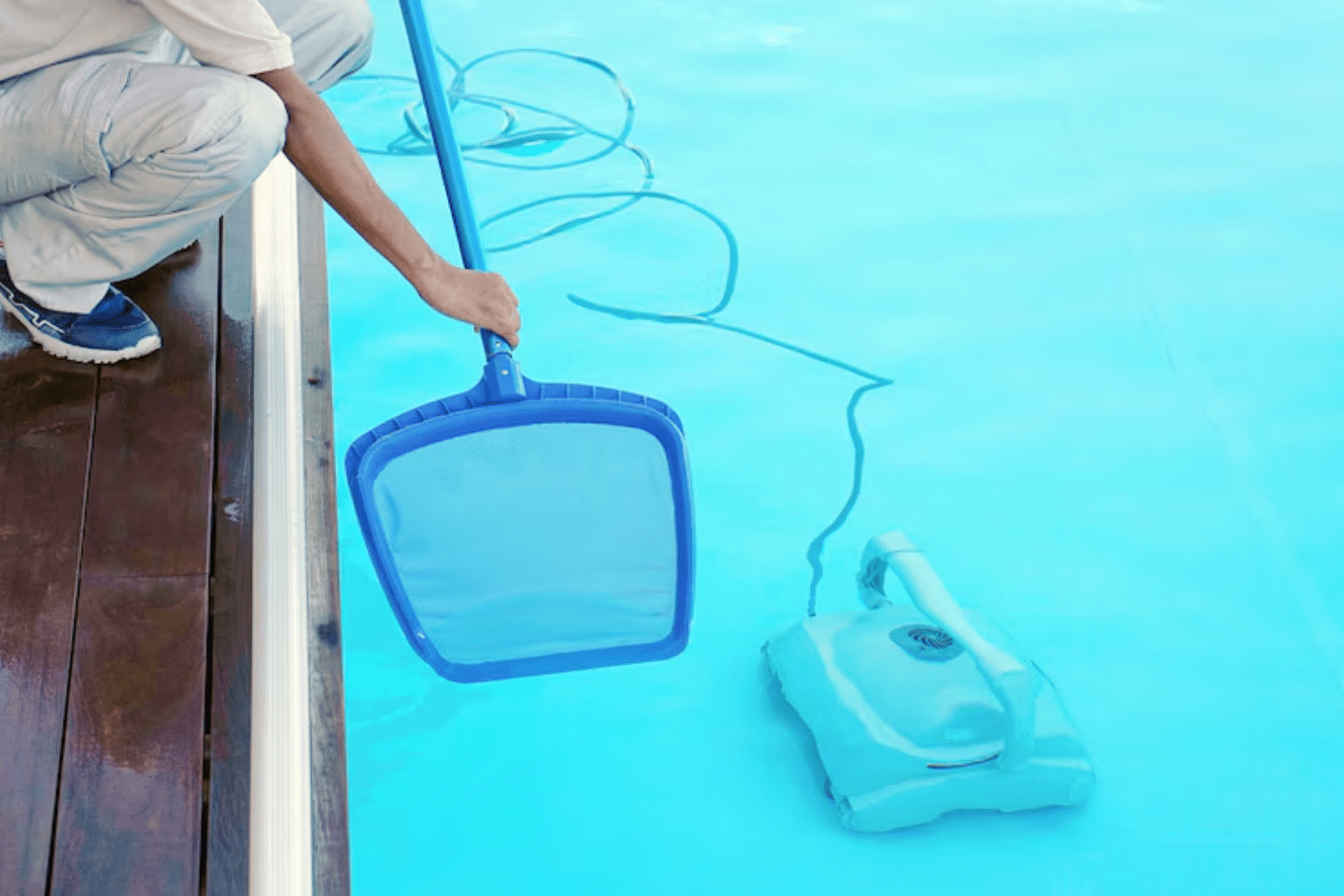
The leak detection process involves a series of systematic steps to identify and locate leaks within a pool’s structure or plumbing system. By following a step-by-step approach, professionals can accurately pinpoint the source of leaks and recommend appropriate repairs. Here’s an overview of the leak detection process:
Initial Assessment and Inspection:
- Technicians begin by visually inspecting the pool and its surroundings for any visible signs of leaks, such as cracks, damp areas, or water loss.
- They also assess the pool equipment and plumbing system to identify potential areas of concern.
Pressure Testing the Plumbing System:
- A pressure test is conducted to evaluate the integrity of the plumbing system and detect any leaks in the pipes.
- By pressurizing the plumbing lines with air or water, technicians can identify leaks through changes in pressure or visible signs of leakage.
Utilizing Specialized Equipment:
- Leak detection dyes or tracer gases may be introduced into the pool water or plumbing lines to help visualize the flow of water and locate leaks.
- Acoustic listening devices are used to detect sounds produced by water escaping from leaks, allowing technicians to pinpoint the precise location of the leak.
Pinpointing the Location of Leaks:
- Using the information gathered from the initial assessment and specialized equipment, technicians narrow down the location of the leak.
- By systematically investigating potential leak sites, technicians can confirm the source of the leak and recommend appropriate repair solutions.
Repairing Pool Leaks
Repairing pool leaks requires careful consideration of the type and severity of the leak to determine the most effective repair method. Promptly addressing leaks is crucial to prevent further damage and maintain the integrity of the pool structure. Here’s a closer look at the repair process:
Different Repair Methods:
- For minor leaks, such as small cracks or gaps, sealing compounds or epoxy injections may be used to patch the affected area.
- Larger leaks or structural damage may require more extensive repairs, such as replacing damaged pool components or re-plastering the pool surface.
- In some cases, the entire pool may need to be drained to access and repair the leak, especially if it is located in the plumbing lines or main pool structure.
Importance of Prompt Repairs:
- Addressing leaks promptly helps prevent water loss, minimize damage to the pool structure, and maintain water quality.
- Ignoring leaks can lead to more significant issues over time, including increased water bills, damage to surrounding landscaping, and potential safety hazards.
Hiring Professional Pool Repair Services:
- Complex or persistent leaks may require the expertise of professional pool repair services.
- Experienced technicians have the knowledge, skills, and specialized equipment to diagnose and repair pool leaks accurately.
- Hiring professionals ensures the proper repair of leaks, minimizing the risk of recurring issues and ensuring the longevity of the pool system.
Addressing pool leaks promptly is crucial for preserving the integrity of your pool and ensuring a safe swimming environment. By understanding the common signs of pool leaks, the leak detection process, and the importance of timely repairs, homeowners can effectively maintain their pools and avoid costly damage. Prioritizing inground pool leak detection and repair is essential for maximizing the longevity and enjoyment of your pool.