Call Us TODAY: (417) 772-3184
Fiberglass Pools vs. Concrete Pools: Which is Better for Your Backyard?
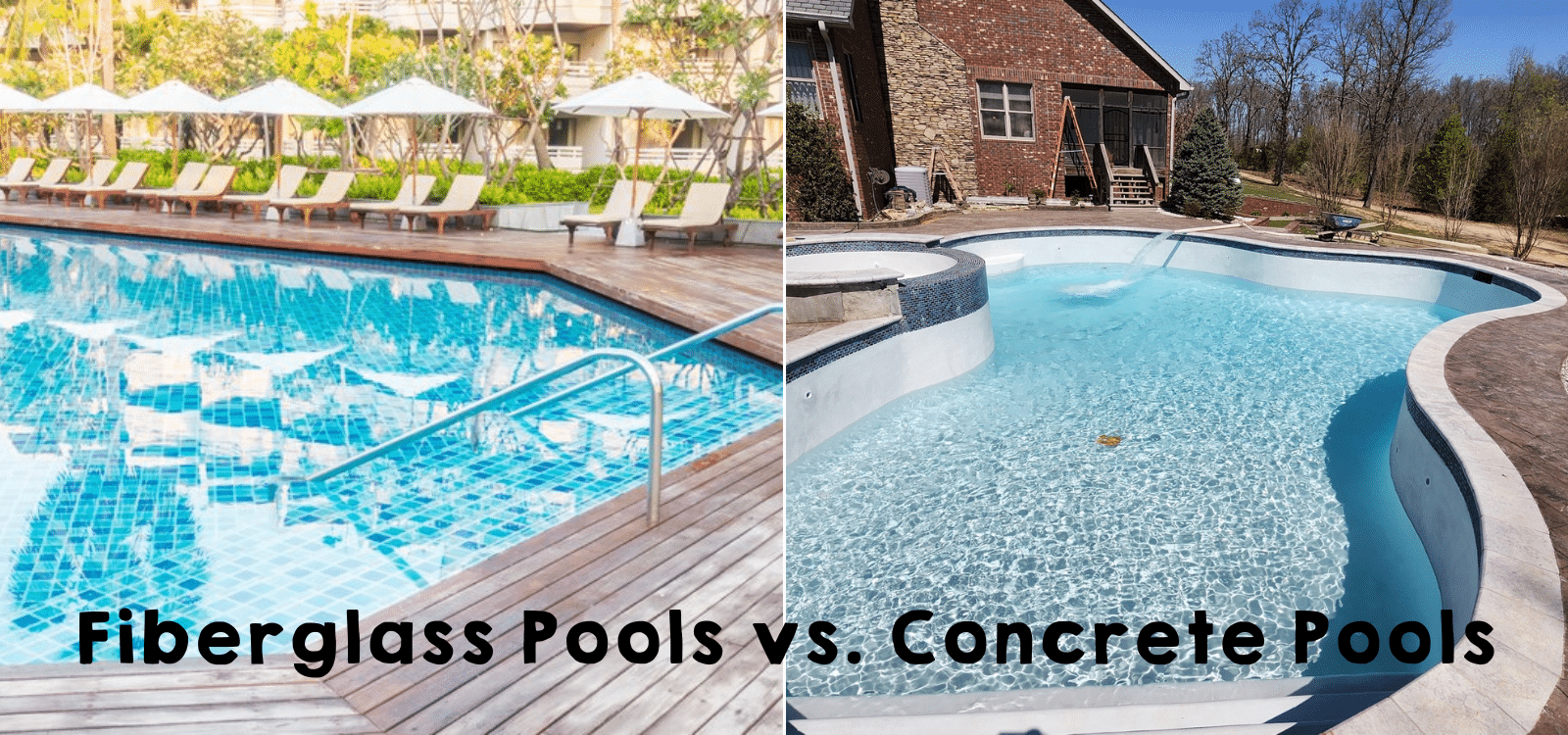
Choosing the right type of pool for your backyard can feel overwhelming, but it’s a crucial decision that impacts your enjoyment and property value. Fiberglass and concrete pools stand out as the most popular options. Each offers unique benefits and challenges. Understanding these differences helps homeowners make an informed choice that aligns with their preferences, budget, and lifestyle.
In this blog, we will compare concrete and fiberglass pools in detail. We will explore their installation processes, costs, durability, maintenance requirements, customization options, and aesthetic appeal. Our goal is to provide you with a clear understanding of which pool type suits your backyard best. Whether you prioritize quick installation, long-term durability, or design flexibility, this guide will help you make the best decision for your outdoor oasis.
Overview of Fiberglass Pools
Fiberglass pools consist of a single, pre-formed shell made from durable fiberglass material. Manufacturers create these pools in a factory and deliver them to your home in one piece. The smooth, non-porous surface of fiberglass pools resists algae growth and staining, making them easier to maintain.
Key Features and Characteristics
Fiberglass pools offer several key features that appeal to homeowners. They are low-maintenance, have a smooth surface that is gentle on the skin and are available in a variety of shapes and sizes. The installation process is quick, often taking only a few days, which minimizes disruption to your backyard. Additionally, fiberglass pools are highly durable and can last for many years without needing significant repairs.
Popularity and Common Uses
The popularity of fiberglass pools has surged in recent years due to their many advantages. They are ideal for families looking for a hassle-free swimming experience and those who want a quick installation process. Homeowners often choose fiberglass pools for their cost-effectiveness and longevity, making them a popular choice for residential backyards.
Overview of Concrete Pools
Concrete pools, also known as gunite or shotcrete pools, are constructed on-site using a mixture of cement, sand, and water. This mixture is sprayed onto a reinforced steel framework, allowing for highly customizable shapes and designs. After the concrete sets, the pool is finished with a layer of plaster, tile, or other materials.
Key Features and Characteristics
Concrete pools offer unparalleled customization options. Homeowners can choose any size, shape, or depth, making them perfect for unique and elaborate designs. These pools are incredibly durable and can last for decades with proper maintenance. However, they require more frequent cleaning and maintenance compared to fiberglass pools due to their porous surfaces.
Popularity and Common Uses
Concrete pools are popular among homeowners seeking a bespoke and luxurious swimming experience. They are often the choice for high-end residential properties and commercial applications due to their versatility and durability. Their ability to incorporate complex designs and features like waterfalls and custom lighting makes them a favorite for those wanting a truly unique backyard oasis.
Installation Process
Fiberglass Pool Installation
The installation process for fiberglass pools begins with excavation and site preparation. After digging the hole, the crew sets a bed of sand or gravel to ensure proper leveling. The pre-manufactured fiberglass shell is then carefully lowered into the hole using a crane. Workers adjust the pool to ensure it sits level and in the correct position. Once the pool is in place, they backfill the area around the shell with sand or gravel. Finally, the crew connects the plumbing and electrical systems, fills the pool with water, and installs any additional features like decking or landscaping.
Concrete Pool Installation
Concrete pool installation starts with excavation and the creation of a steel framework to reinforce the structure. Workers then spray a mixture of concrete and water (either gunite or shotcrete) onto the framework. After the concrete cures, which can take several weeks, the surface is finished with plaster, tiles, or other materials. The final steps include plumbing and electrical connections, followed by filling the pool with water and installing any additional features.
Comparison of Installation Timelines and Complexities
Fiberglass pools typically take less time to install, often just a few weeks, due to their pre-fabricated shells. Concrete pools, however, require a longer installation period, often several months, due to the on-site construction and curing time. Fiberglass installations are generally less complex, while concrete pools involve more intricate construction processes. Concrete pools require meticulous attention to detail during the application and curing of the concrete mixture, adding to the overall complexity. Additionally, the finishing touches, such as plastering and tiling, demand precise craftsmanship to achieve the desired results.
Cost Comparison
Initial Cost Analysis for Fiberglass Pools
The initial cost of installing a fiberglass pool includes the price of the pre-manufactured shell, excavation, installation, and basic landscaping. Fiberglass pools often come as part of a package deal, which can include essential equipment like pumps, filters, and heaters. The shorter installation time can also result in lower labor costs compared to concrete pools.
Initial Cost Analysis for Concrete Pools
Concrete pools are generally more expensive to install. Its price includes excavation, steel reinforcement, concrete application, and finishing with plaster or tiles. Custom designs, shapes, and additional features such as waterfalls or lighting can significantly increase the overall cost. The longer installation period also contributes to higher labor costs.
Long-term Maintenance Costs for Both Types
Over time, fiberglass pools tend to be more cost-effective due to their durable, non-porous surface that resists algae growth and staining. Maintenance typically involves fewer chemicals and less frequent cleaning. Conversely, concrete pools require more intensive upkeep, including regular acid washing, resurfacing every 10-15 years, and more frequent use of chemicals to prevent algae and staining. The maintenance costs for concrete pools can add up significantly over time, making them more expensive to maintain in the long run.
Durability and Longevity
Lifespan of Fiberglass Pools
Fiberglass pools are known for their durability and longevity, with an average lifespan of 25-30 years. The non-porous surface resists staining, fading, and algae growth, contributing to their extended lifespan. Proper maintenance and care can further enhance the longevity of fiberglass pools.
Lifespan of Concrete Pools
Concrete pools are also durable but typically require more maintenance to preserve their longevity. With proper care, concrete pools can last 20-30 years or more. However, factors such as the quality of construction, climate, and maintenance practices can impact their lifespan.
Factors Affecting Durability and Longevity
Several factors influence the durability and longevity of both fiberglass and concrete pools:
- Quality of Materials and Construction: Well-built pools using high-quality materials are likely to last longer.
- Climate and Environmental Conditions: Harsh climates and environmental factors can affect the lifespan of pools.
- Maintenance and Care: Regular maintenance, including cleaning, chemical balance, and repairs, is essential for prolonging a pool’s lifespan.
Maintenance Requirements
Routine Maintenance for Fiberglass Pools
Fiberglass pools require minimal maintenance compared to concrete pools. Routine tasks include:
- Regular Cleaning: Wipe down the pool surface and vacuum debris as needed.
- Balancing Chemical Levels: Monitor and adjust pH and chlorine levels to keep the water balanced.
- Inspecting Equipment: Check pumps, filters, and heaters regularly for proper functioning.
Routine Maintenance for Concrete Pools
Concrete pools demand more intensive maintenance efforts:
- Surface Cleaning: Regular brushing and scrubbing to remove algae and stains from the porous surface.
- Chemical Balancing: Continuous monitoring and adjustment of chemical levels to prevent algae growth and maintain water clarity.
- Surface Repairs: Periodic patching of cracks or chips to prevent water leakage and maintain structural integrity.
Ease of Maintenance and Common Issues
Fiberglass pools are generally easier to maintain due to their smooth, non-porous surface. Common issues include:
- Staining: Fiberglass pools may develop stains over time, requiring occasional cleaning and treatment.
- Gelcoat Damage: Damage to the gel coat layer can occur from harsh chemicals or abrasive cleaning methods, requiring repair.
Aesthetic Appeal
Visual Appeal of Fiberglass Pools
Fiberglass pools offer a sleek and modern appearance with smooth, gel-coated surfaces. They come in a variety of shapes, sizes, and colors to complement any backyard design. The uniform finish creates a polished look that enhances the overall aesthetics of the outdoor space.
Visual Appeal of Concrete Pools
Concrete pools provide unparalleled customization options, allowing homeowners to create unique and visually stunning designs. From geometric shapes to free-form styles, concrete pools can be tailored to match any architectural theme or landscaping concept. The textured surface adds depth and character to the backyard, creating a luxurious focal point.
Enhancing Backyard Aesthetics
Both pool types contribute to the beauty of the backyard:
- Fiberglass pools offer a clean and contemporary look, perfect for modern or minimalist settings.
- Concrete pools add character and sophistication, elevating the backyard with custom features and intricate designs.
Final Verdict: Which Pool Type is Better?
- Fiberglass Pools: Offer quick installation, low maintenance, and durability. They come in various shapes and sizes, with a smooth surface that resists staining and algae growth.
- Concrete Pools: Provide ultimate customization and design flexibility, allowing for unique shapes and features. They require more maintenance but offer long-term durability.
Pros and Cons of Each Pool Type
Fiberglass Pools:
- Pros: Quick installation, low maintenance, durable surface.
- Cons: Limited customization options
Concrete Pools:
- Pros: Unlimited design possibilities and long-term durability.
- Cons: Longer installation time and higher maintenance requirements.
Recommendations Based on Different Needs and Preferences
- For Those Seeking Convenience: Fiberglass pools offer a hassle-free solution with minimal maintenance and quick installation.
- For Those Prioritizing Customization: Concrete pools provide endless possibilities for creating a unique and personalized swimming experience.
- For Those Considering Long-Term Durability: Both pool types offer durability, but fiberglass pools may require less upkeep over time. Consider your budget, timeline, and desired features when making your decision.
When considering fiberglass or concrete pools, both have their merits. Fiberglass pools offer swift installation and minimal maintenance, making them convenient options. However, concrete pools provide extensive customization and lasting durability. It ultimately depends on your priorities and lifestyle. For those valuing convenience and ease of maintenance, fiberglass may be the better choice. Assess your needs carefully to select the pool that best suits your preferences and budget.