Call Us TODAY: (417) 772-3184
Key Considerations When Building a Commercial Swimming Pool
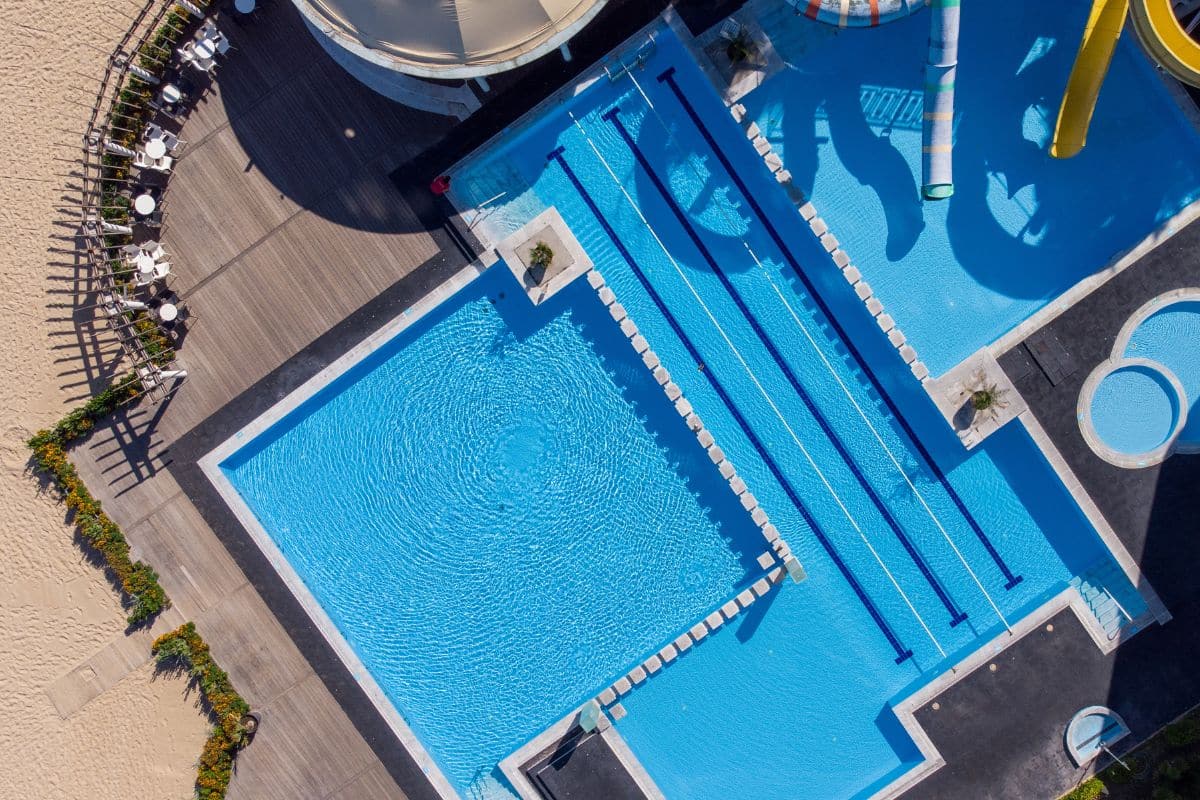
Building a commercial swimming pool is a significant investment that requires careful planning, technical expertise, and long-term vision. Unlike residential pools, commercial pools must meet strict safety regulations, handle higher usage, and deliver durability while maintaining an inviting appearance. Whether the pool is intended for a hotel, apartment complex, fitness center, or recreational facility, understanding the essential considerations can help avoid costly mistakes and ensure a successful outcome.
This guide outlines the most important factors to evaluate before starting a commercial swimming pool project.
1. Purpose and User Demographics
The first step in planning a commercial swimming pool is identifying its intended purpose. A pool designed for competitive swimming will differ greatly from one meant for leisure or family use. Understanding how the pool will be used helps determine its size, depth, layout, and features.
Key questions to consider include:
- Will the pool serve children, adults, or both?
- Is it meant for recreation, training, therapy, or relaxation?
- How many users are expected during peak times?
Clear answers to these questions help guide design decisions and ensure the pool meets user expectations.
2. Compliance With Codes and Regulations
Commercial swimming pools are subject to local, state, and national regulations. These codes cover everything from water depth and fencing to drainage systems and emergency access.
Important regulatory considerations include:
- Health department standards
- ADA accessibility requirements
- Safety barriers and signage
- Lifeguard provisions (where required)
Failing to comply with regulations can lead to project delays, fines, or even forced reconstruction. It is essential to review all applicable codes early in the planning phase.
3. Pool Design and Layout
Design plays a major role in both functionality and user experience. A well-designed commercial pool should balance aesthetics with safety and practicality.
Design elements to evaluate include:
- Pool shape and dimensions
- Entry and exit points
- Slip-resistant surfaces
- Deck space for seating and movement
- Shade structures and surrounding amenities
Efficient layout planning also ensures smooth foot traffic and minimizes congestion during busy periods.
4. Structural Materials and Durability
Commercial pools experience constant use, making material selection a critical factor. The structure must withstand heavy traffic, chemical exposure, and environmental conditions.
Common construction materials include:
- Reinforced concrete
- Shotcrete or gunite
- Commercial-grade finishes and tiles
Durability-focused materials may have a higher upfront cost but often reduce long-term maintenance and repair expenses.
5. Water Circulation and Filtration Systems
Proper water circulation is essential for maintaining clean, safe swimming conditions. Commercial pools require robust filtration systems capable of handling large volumes of water and frequent use.
Key system components include:
- High-capacity pumps
- Efficient filtration units
- Chemical distribution systems
- Automated monitoring tools
An effective circulation system improves water clarity, reduces chemical imbalances, and ensures compliance with health standards.
6. Energy Efficiency and Sustainability
Energy consumption is a major operational cost for commercial pools. Incorporating energy-efficient systems during construction can significantly lower long-term expenses.
Considerations include:
- Variable-speed pumps
- Energy-efficient heaters
- LED pool lighting
- Solar heating options
- Water-saving backwash systems
Sustainable design choices not only reduce costs but also align with environmentally responsible practices.
7. Safety Features and Risk Management
Safety is a top priority in commercial pool construction. Proper safety features help protect users and reduce liability risks for property owners.
Essential safety elements include:
- Non-slip decking materials
- Clearly marked depth indicators
- Pool covers and fencing
- Emergency shut-off systems
- Rescue equipment storage areas
Incorporating safety features during the design phase is more effective than adding them later.
8. Maintenance and Long-Term Operation
A commercial swimming pool requires regular maintenance to remain functional and compliant. Planning for ongoing upkeep during the construction phase helps prevent unexpected costs.
Maintenance considerations include:
- Ease of access to mechanical systems
- Durable finishes that resist staining and wear
- Automated cleaning and monitoring systems
- Clear maintenance schedules
A pool designed with maintenance in mind will operate more efficiently over its lifespan.
9. Project Timeline and Budget Planning
Realistic budgeting and scheduling are essential for a successful commercial pool project. Delays or budget overruns often result from inadequate planning or unforeseen site conditions.
Key planning steps include:
- Detailed project timelines
- Contingency allowances for unexpected costs
- Coordination with architects, engineers, and inspectors
Clear expectations help ensure the project stays on track from start to finish.
Frequently Asked Questions (FAQs)
How long does it take to build a commercial swimming pool?
The timeline varies depending on size, design complexity, and regulatory approvals. Most commercial pool projects take several months from design to completion.
What is the most durable material for commercial pools?
Reinforced concrete is widely used for commercial pools due to its strength, flexibility in design, and long-term durability.
Are commercial pools required to be ADA compliant?
Yes, most commercial pools must meet ADA accessibility requirements, including accessible entry options such as ramps or lifts.
How often does a commercial pool need maintenance?
Commercial pools require daily monitoring and routine maintenance, including chemical balancing, cleaning, and equipment inspections.
Can energy-efficient systems really reduce operating costs?
Yes, energy-efficient pumps, heaters, and lighting can significantly lower energy consumption and reduce long-term operating expenses.