Call Us TODAY: (417) 772-3184
What Makes a Great Commercial Fountain? Key Design and Practical Tips
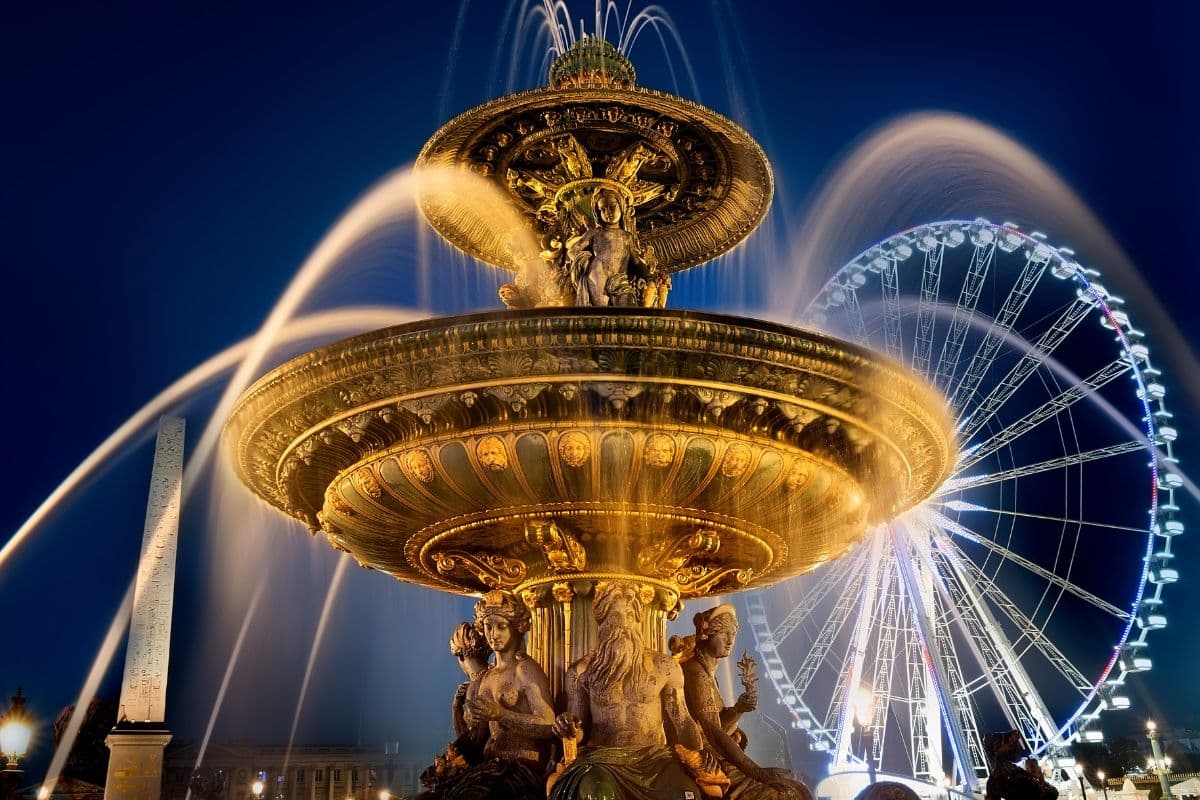
Commercial fountains are more than decorative elements. When thoughtfully designed and properly constructed, they enhance public spaces, create a calming atmosphere, and become visual landmarks for properties such as hotels, office complexes, parks, and mixed-use developments. However, achieving a successful commercial fountain requires careful planning that balances aesthetics, functionality, safety, and long-term operation.
This guide explores the essential design and practical factors that define a great commercial fountain.
1. Defining the Fountain’s Purpose
Before design begins, it is important to clarify the fountain’s primary purpose. A fountain designed purely as a visual centerpiece will differ from one intended for interaction or sound masking.
Common purposes include:
- Visual enhancement of entryways or courtyards
- Creating a focal point in public or commercial spaces
- Providing ambient sound to reduce noise pollution
- Interactive features for public engagement
Understanding the fountain’s role helps guide decisions related to size, placement, water movement, and lighting.
2. Strategic Location and Site Planning
Placement significantly impacts how effective a commercial fountain will be. A well-located fountain complements surrounding architecture and fits naturally into the landscape.
Key site considerations include:
- Visibility from main walkways or entrances
- Proximity to seating or gathering areas
- Drainage and soil conditions
- Accessibility for maintenance and repairs
Proper site planning ensures the fountain enhances the environment rather than disrupting pedestrian flow or creating maintenance challenges.
3. Fountain Design and Visual Balance
A great commercial fountain achieves harmony between form and function. The design should align with the architectural style of the surrounding property while remaining timeless and durable.
Design factors to evaluate:
- Scale and proportion relative to nearby structures
- Shape and geometry (linear, circular, tiered, or sculptural)
- Water flow patterns and movement
- Integration with landscaping and hardscaping
Overly complex designs may appear impressive initially but can become difficult to maintain over time.
4. Material Selection and Durability
Commercial fountains operate continuously and are exposed to weather, water chemicals, and frequent use. Selecting durable materials is essential for longevity.
Common materials used include:
- Reinforced concrete
- Natural stone
- Stainless steel
- Commercial-grade tiles and finishes
Materials should be resistant to corrosion, staining, and temperature fluctuations. Long-lasting materials reduce repair costs and preserve appearance over time.
5. Water Circulation and Pump Systems
Behind every visually appealing fountain is a reliable mechanical system. Efficient water circulation ensures consistent flow, prevents stagnation, and maintains water clarity.
Key system components include:
- High-quality pumps
- Filtration systems
- Properly sized piping
- Automated controls
A well-designed system ensures the fountain operates smoothly while minimizing downtime and operational issues.
6. Energy Efficiency and Sustainability
Modern commercial fountains increasingly focus on sustainability and efficient resource use. Energy-efficient systems help reduce long-term operating costs and environmental impact.
Sustainability considerations include:
- Variable-speed pumps
- LED lighting systems
- Water recycling and reuse
- Automated timers and sensors
Incorporating energy-efficient technology during design is more cost-effective than retrofitting later.
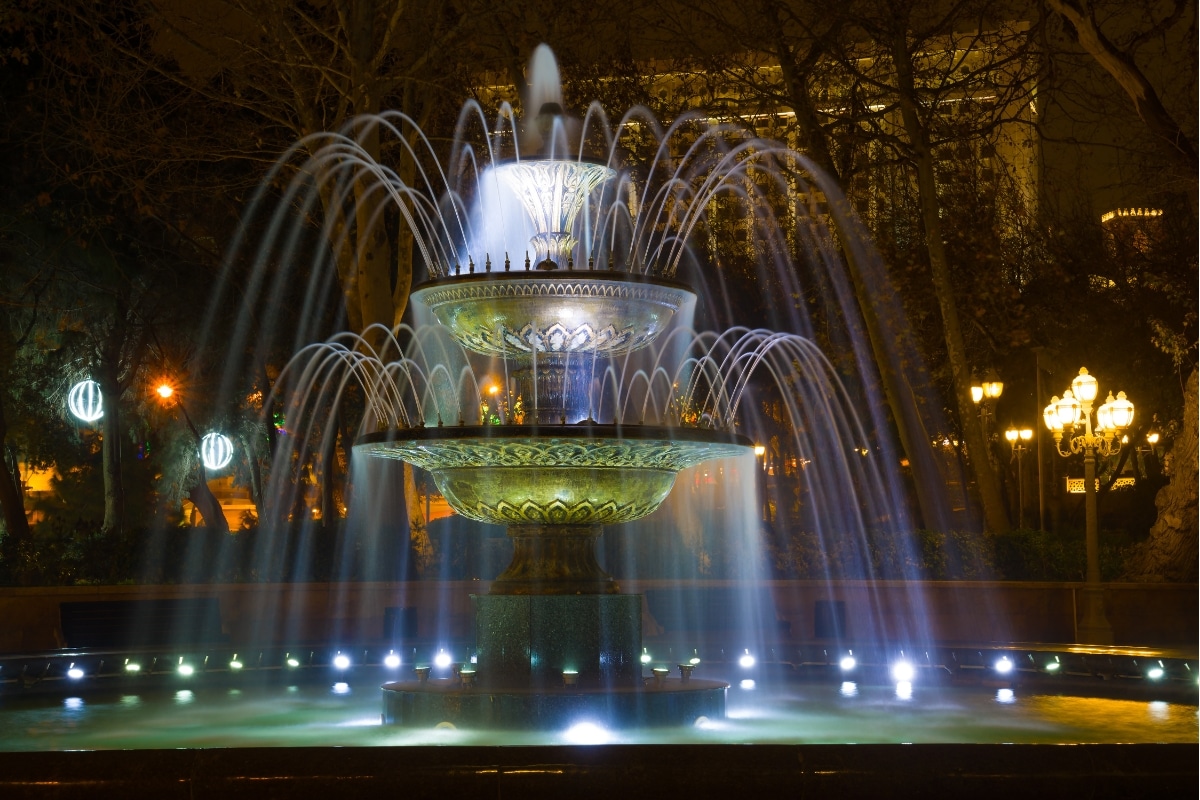
7. Lighting and Nighttime Appeal
Lighting transforms a fountain after dark, extending its visual impact into the evening. Thoughtful lighting design enhances water movement without overpowering the surrounding space.
Effective lighting tips:
- Use subtle, evenly distributed illumination
- Highlight water patterns and textures
- Avoid excessive glare
- Choose durable, waterproof fixtures
Lighting should complement the fountain’s design while ensuring safety and visibility.
8. Safety and Public Interaction
Safety is a critical consideration, especially for fountains located in public or high-traffic areas. A great commercial fountain incorporates safety features without compromising aesthetics.
Safety elements may include:
- Slip-resistant surrounding surfaces
- Shallow basins where public access is possible
- Clearly defined edges and barriers
- Electrical system protection
Designing with safety in mind helps reduce liability and ensures the space remains welcoming to all users.
9. Maintenance and Long-Term Operation
A visually stunning fountain can quickly lose its appeal if maintenance is overlooked. Planning for long-term care during the design phase helps preserve functionality and appearance.
Maintenance-friendly design includes:
- Easy access to pumps and filters
- Durable finishes that resist algae buildup
- Automated monitoring systems
- Clear maintenance schedules
Fountains designed for efficient maintenance remain attractive and operational for years.
10. Budget Planning and Lifecycle Costs
Initial construction costs are only part of the overall investment. A great commercial fountain accounts for lifecycle costs, including energy use, maintenance, and repairs.
Budget considerations should include:
- Installation and material costs
- Long-term operational expenses
- Replacement of mechanical components
- Seasonal maintenance needs
Balancing design ambition with realistic budgeting leads to better long-term outcomes.
A great commercial fountain combines thoughtful design with practical engineering. By focusing on purpose, placement, material selection, safety, and long-term maintenance, property owners can create water features that enhance public spaces and remain functional for years. Careful planning and informed decisions are the foundation of a successful commercial fountain project.
Frequently Asked Questions (FAQs)
What is the most important factor in commercial fountain design?
A balance between aesthetics, durability, and maintenance is essential. A visually appealing fountain must also be practical and reliable.
How often does a commercial fountain require maintenance?
Most commercial fountains require regular inspections and routine maintenance, with frequency depending on usage and system complexity.
Are commercial fountains energy efficient?
Yes, modern fountains can be designed with energy-efficient pumps, lighting, and automation to reduce operational costs.
Can fountains be customized to match surrounding architecture?
Absolutely. Commercial fountains are often custom-designed to complement the style and layout of the property.
Do commercial fountains need filtration systems?
Yes, filtration and circulation systems are essential to maintain clean water and consistent performance.