Call Us TODAY: (417) 772-3184
Everything You Need to Know About Fiberglass Pool Installation
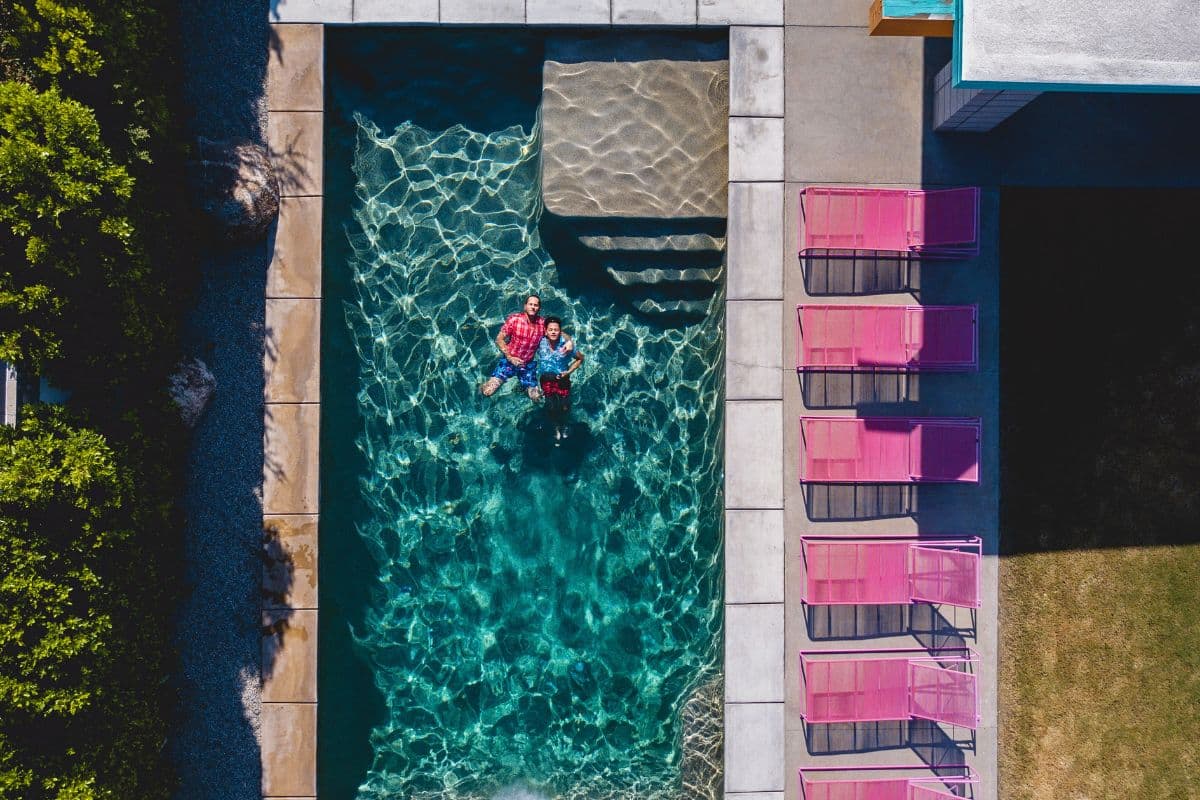
Fiberglass pools have become a popular option for both residential and commercial properties due to their smooth finish, durability, and relatively quick installation process. However, installing a fiberglass pool involves more than placing a pre-molded shell into the ground. From site preparation to long-term performance, understanding each phase of installation helps set realistic expectations and ensures better outcomes.
This guide walks through the fiberglass pool installation process step by step, along with practical considerations that influence performance, cost, and longevity.
Understanding What a Fiberglass Pool Is
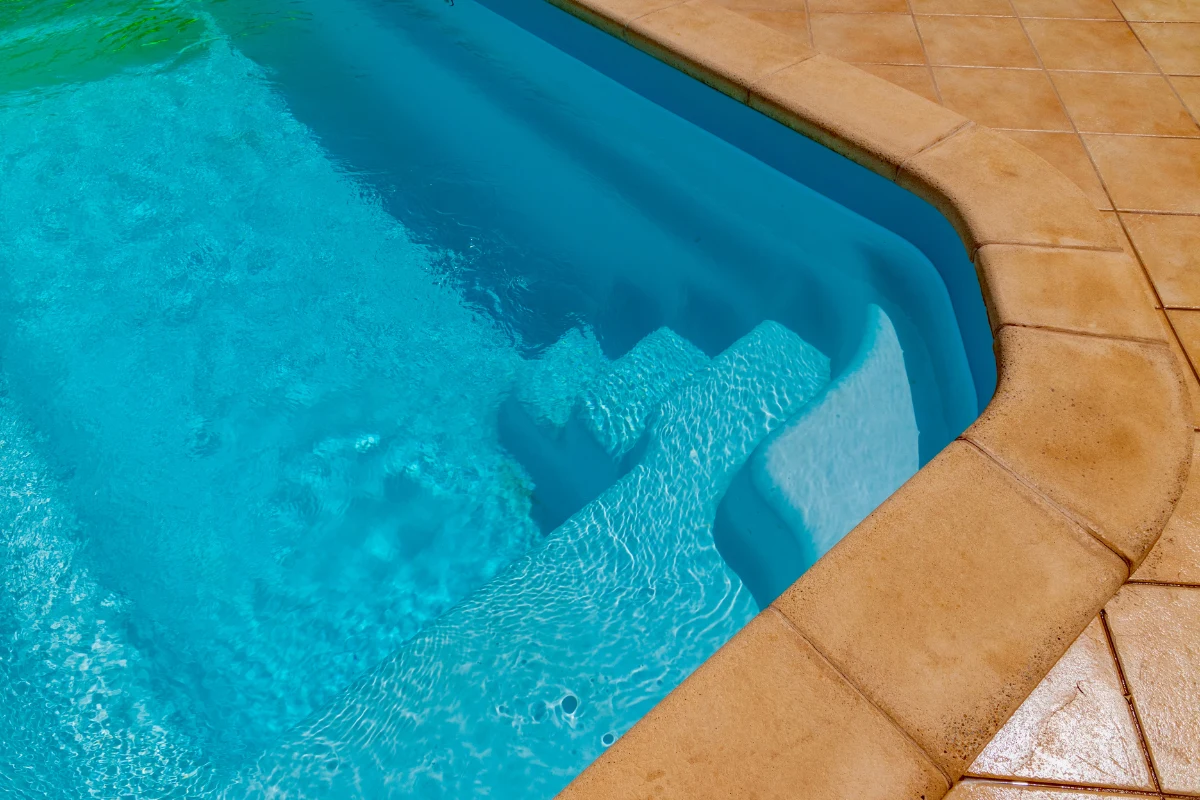
A fiberglass pool is manufactured off-site as a single molded shell made from layers of fiberglass and resin. Once complete, the shell is transported to the site and installed into an excavated area.
Unlike concrete or vinyl pools, fiberglass pools arrive pre-finished, meaning the interior surface does not require additional lining or plaster. This construction method affects installation time, maintenance needs, and design flexibility.
Step 1: Site Evaluation and Preparation
Every successful fiberglass pool installation begins with a detailed site assessment. This phase determines whether the property can support the pool and identifies any potential challenges before excavation begins.
Important factors include:
- Soil composition and stability
- Drainage and groundwater levels
- Access for heavy equipment and delivery trucks
- Local building codes and setback requirements
Site preparation may also involve clearing vegetation, leveling the ground, and planning utility connections.
Step 2: Pool Selection and Layout Planning
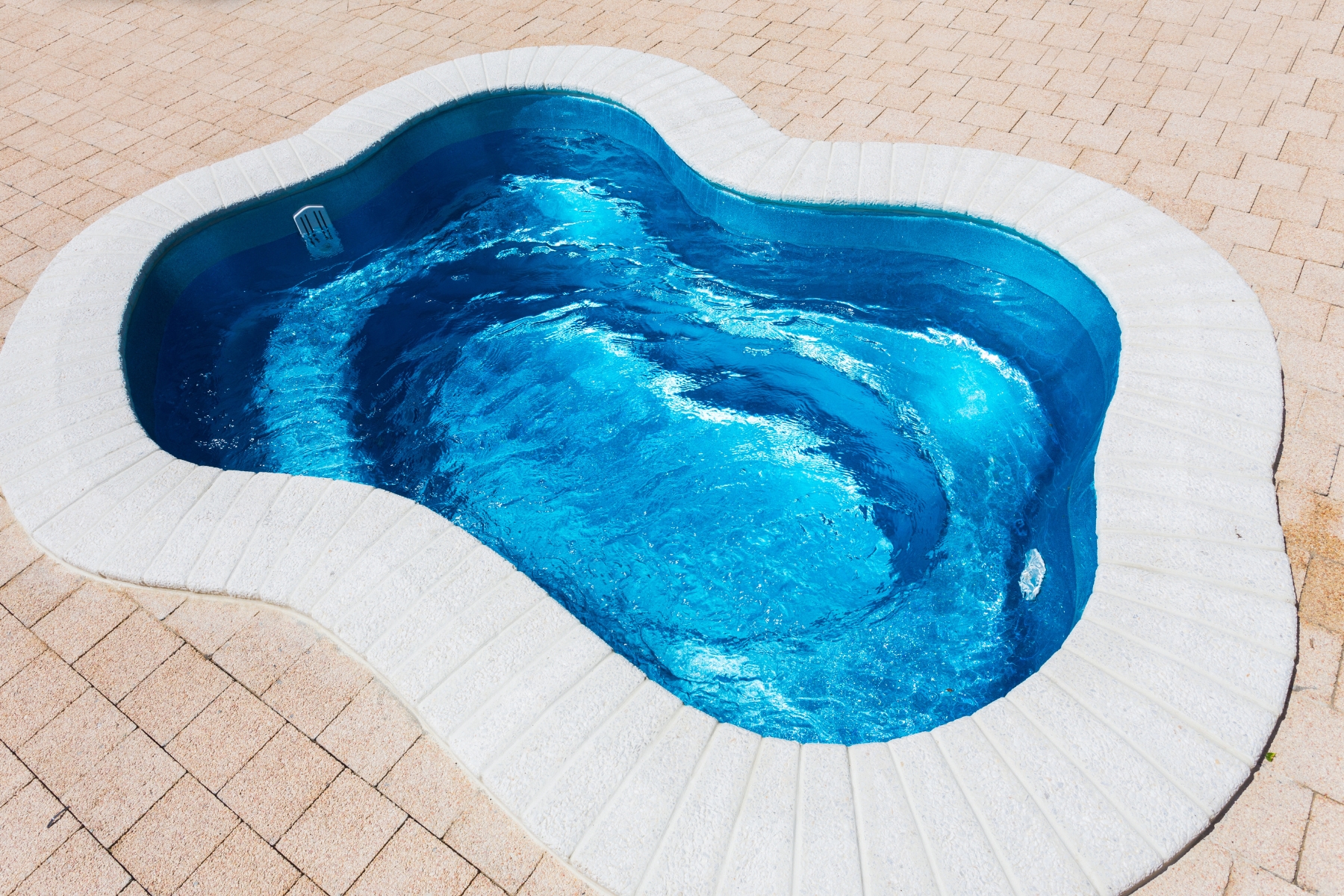
Fiberglass pools come in a range of pre-designed shapes and sizes. While customization options are more limited than concrete pools, careful selection ensures the pool fits both the site and intended use.
Layout planning focuses on:
- Pool orientation and positioning
- Entry points such as steps or benches
- Surrounding deck space
- Integration with landscaping or outdoor features
Accurate measurements during this stage are critical, as fiberglass pools cannot be resized once manufactured.
Step 3: Excavation and Base Preparation
Once the layout is finalized, excavation begins. The hole must be precisely shaped and sized to support the fiberglass shell evenly.
Key excavation considerations include:
- Proper depth and dimensions
- Stable, level base material (often gravel or sand)
- Allowance for plumbing and drainage systems
A poorly prepared base can lead to structural stress or uneven settling over time.
Step 4: Delivering and Setting the Pool Shell
After excavation, the fiberglass shell is delivered and carefully lowered into place using cranes or heavy lifting equipment. This is one of the most critical steps in the installation process.
Accuracy is essential during placement to ensure:
- The shell is level in all directions
- The pool aligns correctly with plumbing connections
- The structure rests evenly on the prepared base
Once positioned, adjustments are limited, making precision crucial at this stage.
Step 5: Plumbing, Backfilling, and Structural Support
With the pool shell in place, plumbing systems are connected, including skimmers, returns, and drainage components. Backfilling then begins around the pool shell to provide structural support.
Best practices during backfilling include:
- Using compatible backfill materials
- Adding material evenly to avoid pressure imbalances
- Filling the pool with water simultaneously to maintain stability
This balanced approach helps prevent shell movement or deformation.
Step 6: Electrical Systems and Safety Features
Electrical components such as lighting, pumps, and automation systems are installed according to safety standards and local regulations.
Electrical planning typically includes:
- Grounding and bonding systems
- Underwater or perimeter lighting
- Equipment connections and controls
Proper installation ensures both safety and long-term system reliability.
Step 7: Decking and Surrounding Finishes
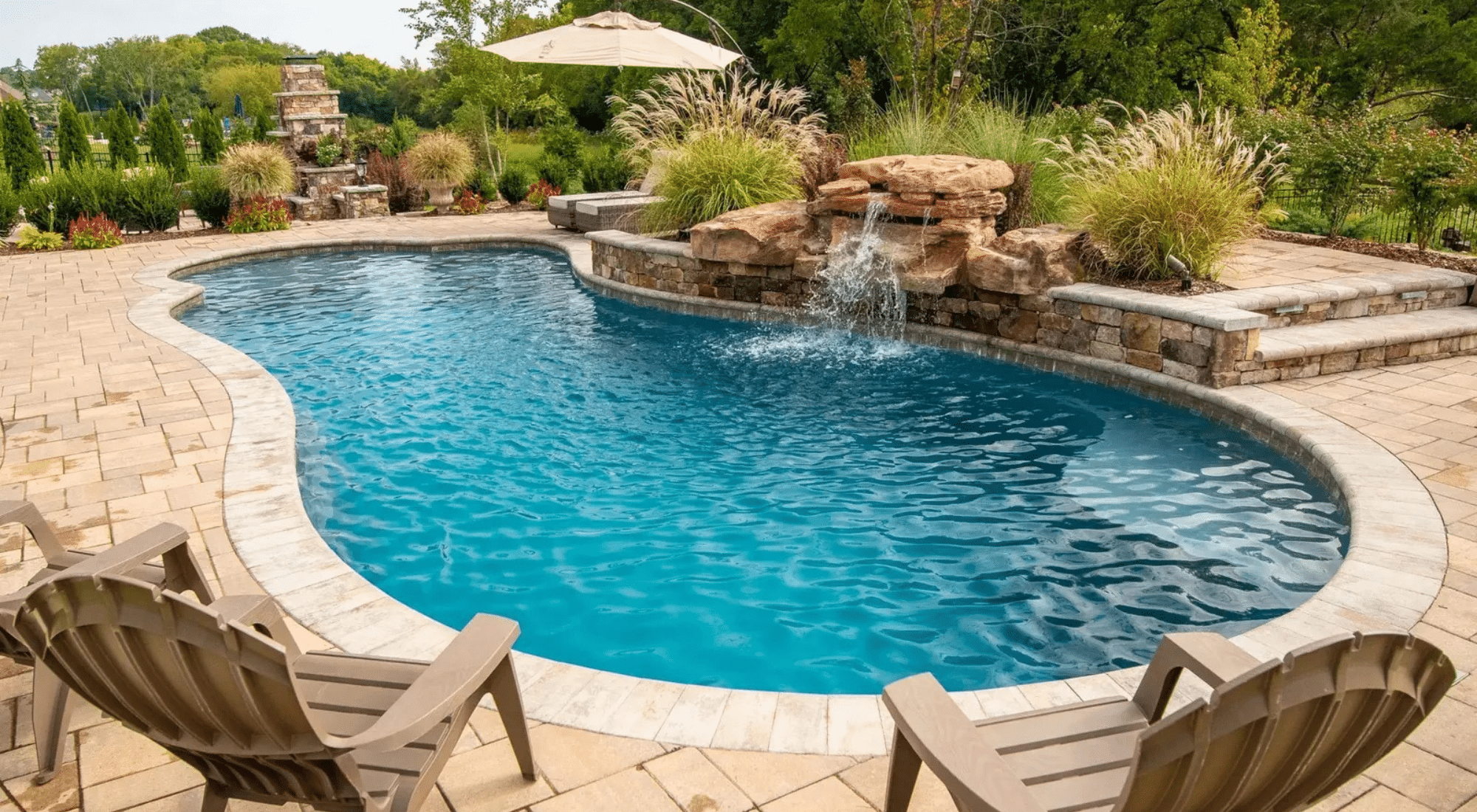
After the pool structure is secure, attention turns to decking and surrounding surfaces. These elements affect both appearance and usability.
Common decking considerations include:
- Slip-resistant materials
- Drainage away from the pool
- Expansion joints to accommodate movement
- Visual continuity with the surrounding space
Well-designed decking enhances safety and completes the overall installation.
Step 8: Filling, Testing, and Initial Setup
Once construction is complete, the pool is filled and systems are tested. This phase ensures all components function as intended before regular use begins.
Initial setup includes:
- Water circulation testing
- Chemical balancing
- Equipment calibration
- Leak and pressure checks
Proper startup procedures help extend the life of the pool and its systems.
Long-Term Performance and Maintenance
One of the advantages of fiberglass pools is their smooth, non-porous surface, which resists algae growth and simplifies cleaning. However, routine maintenance is still required.
Long-term considerations include:
- Monitoring water chemistry
- Inspecting equipment regularly
- Cleaning surfaces and filters
- Seasonal maintenance planning
Consistent care helps preserve appearance and performance for years.
Fiberglass pool installation is a multi-step process that combines careful planning, precise execution, and long-term maintenance considerations. From site preparation and excavation to system testing and ongoing care, each phase plays a role in the pool’s performance and lifespan. Understanding the installation process helps property owners make informed decisions and set realistic expectations for their investment.
Frequently Asked Questions (FAQs)
How long does fiberglass pool installation take?
Installation is generally faster than other pool types, often completed within a few weeks, depending on site conditions and permitting.
Are fiberglass pools durable?
Yes, fiberglass pools are designed to withstand ground movement and temperature changes when properly installed.
Can fiberglass pools be installed in all soil types?
Most soil conditions can support fiberglass pools, but site preparation and drainage solutions may be required for challenging areas.
Do fiberglass pools require resurfacing?
Unlike concrete pools, fiberglass pools do not require regular resurfacing, reducing long-term maintenance needs.
Are fiberglass pools customizable?
While shapes and sizes are pre-designed, many models offer built-in features such as steps, benches, and ledges.