Call Us TODAY: (417) 772-3184
Inground Pool Installation Services in St. Louis: What Homeowners Should Know Before Building
A backyard pool can completely change how you use and enjoy your outdoor space. From hosting summer gatherings to creating a private retreat for your family, an inground pool offers years of enjoyment when planned and built correctly. However, installing a pool involves far more than choosing a shape and digging a hole in the ground. Homeowners in St. Louis often face unique considerations, including seasonal weather changes, local permitting requirements, property layouts, and long-term maintenance needs. Understanding the entire process before construction begins can help you make informed decisions and avoid costly surprises later.
Why Are More Homeowners Choosing Inground Pools?
An inground pool is often viewed as a long-term investment in both lifestyle and property appeal. Unlike temporary above-ground options, inground pools become a permanent part of your outdoor living space and can be customized to complement your home’s design.
Many homeowners choose an inground pool because it offers:
- A dedicated space for recreation and exercise
- Enhanced outdoor entertaining opportunities
- Custom design options that fit their property
- Long-lasting durability
- Increased visual appeal for the backyard
In a city like St. Louis, where summers can be warm and humid, having a private pool provides a convenient way to cool off without leaving home.
Planning Your Pool Project Before Construction Begins
The success of any pool installation starts long before excavation equipment arrives. Careful planning helps ensure the project stays on schedule and aligns with your goals.
Define Your Budget
Pool costs vary significantly based on size, materials, features, and site conditions. Before finalizing a design, determine a realistic budget that accounts for:
- Construction costs
- Permits and inspections
- Landscaping adjustments
- Pool equipment
- Lighting and water features
- Future maintenance expenses
Planning for the complete project helps prevent unexpected financial challenges during construction.
Consider How You Will Use the Pool
Different families have different priorities. Some homeowners want a space for exercise, while others focus on entertainment or relaxation.
Ask yourself:
- Will children use the pool regularly?
- Do you plan to host large gatherings?
- Are you interested in lap swimming?
- Would you like a spa or tanning ledge?
- Do you need safety features for young family members?
Your answers will influence the design and layout.
Evaluate Your Property
Every yard presents unique opportunities and limitations. Factors that may affect construction include:
- Yard size
- Soil conditions
- Existing landscaping
- Utility locations
- Drainage patterns
- Property access for equipment
A professional site evaluation can identify potential challenges before construction begins.
Understanding the Inground Pool Installation Process
Many homeowners are surprised by the number of steps involved in building a pool. Knowing what to expect helps set realistic expectations throughout the project.
Initial Consultation and Design
The process begins with a consultation to discuss your vision, budget, and property layout. Designers then create detailed plans that incorporate your desired features while complying with local regulations.
At this stage, you may choose features such as:
- Waterfalls
- LED lighting
- Built-in spas
- Sun shelves
- Custom steps
- Automation systems
Permitting and Approvals
Before construction can begin, permits are typically required. Local regulations help ensure the pool meets safety and construction standards.
Working with an experienced contractor can simplify the permitting process and help prevent delays.
Excavation
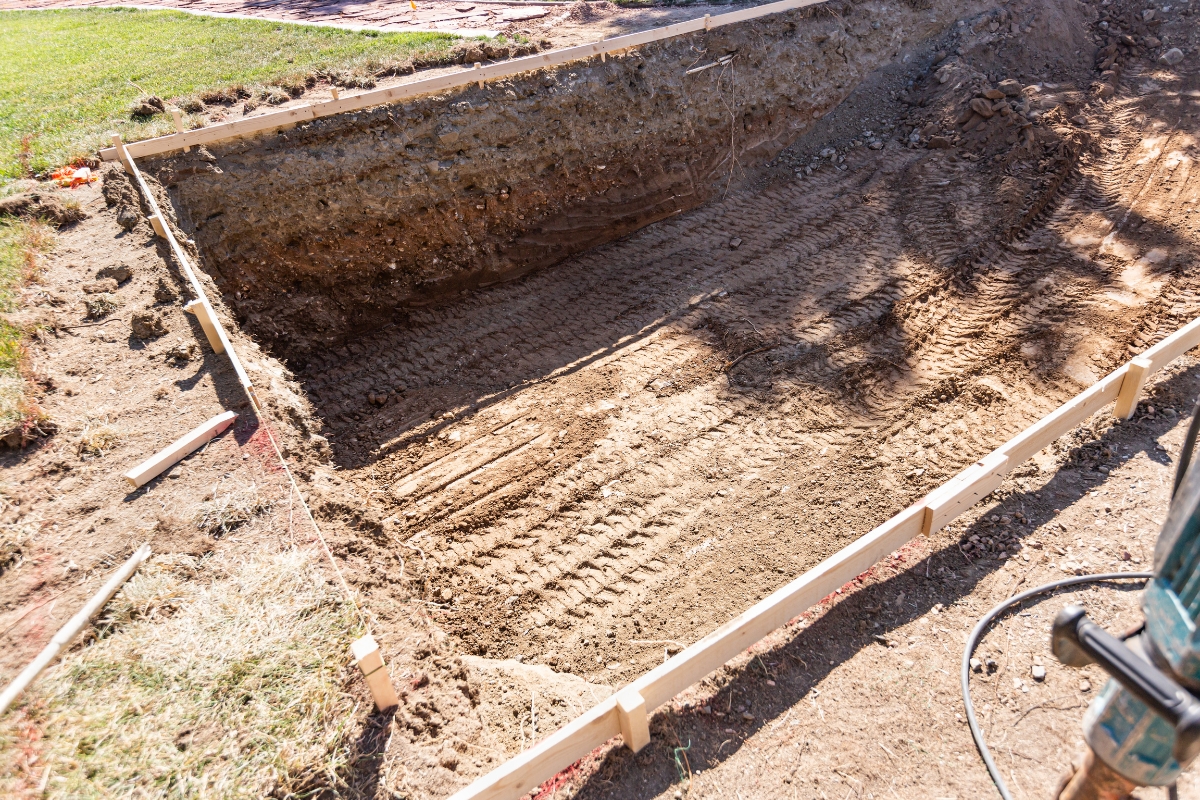
Once approvals are secured, excavation begins. Heavy equipment removes soil to create the pool’s shape and depth.
This stage often transforms the backyard dramatically and marks the visible start of construction.
Structural Construction
After excavation, crews install the pool structure, plumbing lines, and electrical systems.
The exact process depends on the pool type selected, but this stage forms the foundation of the entire project.
Finishing and Equipment Installation
The final phase includes:
- Surface finishing
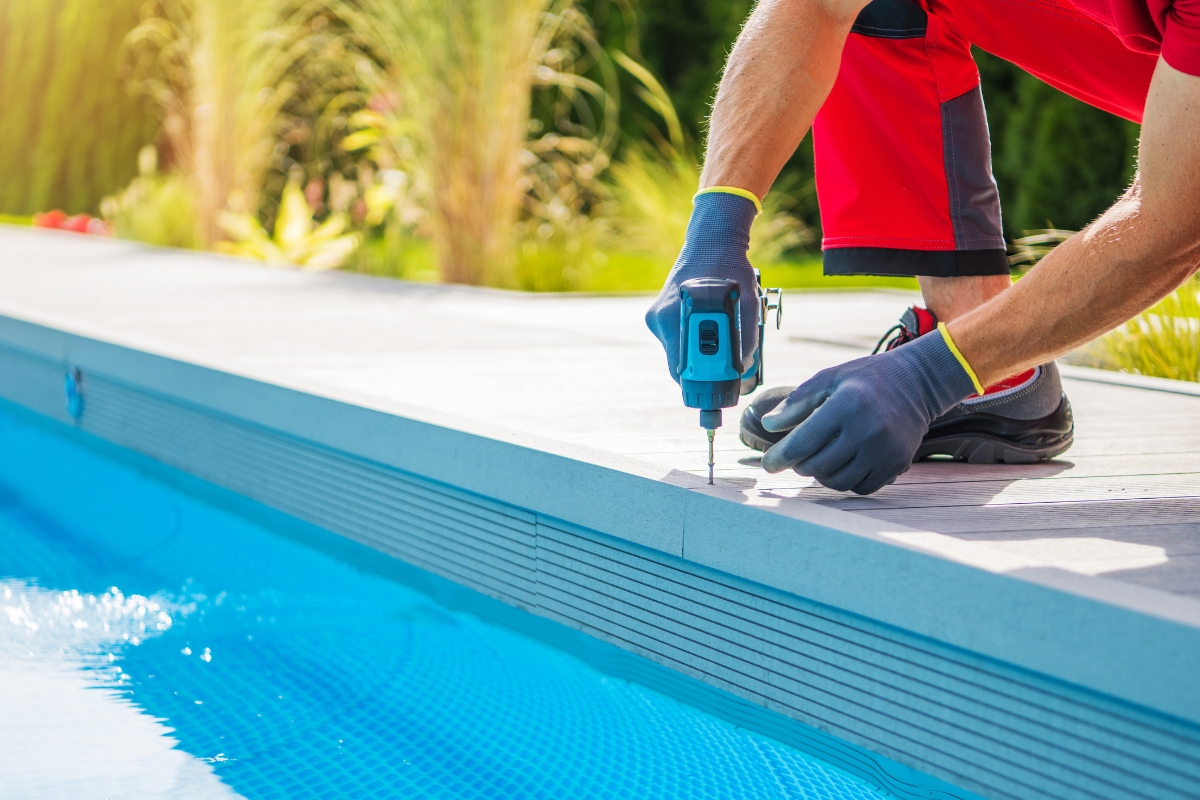
- Deck installation
- Equipment setup
- Water filling
- System testing
Once completed, the pool undergoes final inspections before being ready for use.
How to Choose the Right Type of Inground Pool?
Selecting the right pool material is one of the most important decisions during the planning process.
Fiberglass Pools
Fiberglass pools are manufactured off-site and delivered as a single shell.
Benefits include:
- Faster installation
- Smooth surfaces
- Lower maintenance requirements
- Energy efficiency
Many homeowners appreciate the relatively quick installation timeline associated with fiberglass pools.
Gunite Pools
Gunite pools are constructed on-site using a reinforced concrete framework.
Advantages include:
- Exceptional durability
- Extensive customization options
- Unique shapes and designs
- Long service life
For homeowners seeking complete design flexibility, gunite remains a popular choice.
Vinyl Liner Pools
Vinyl pools feature a flexible liner installed over a structural framework.
Benefits include:
- Lower initial investment
- Variety of shapes and sizes
- Smooth swimming surfaces
While liners require periodic replacement, many homeowners appreciate their versatility.
Important Features to Consider During Installation
Planning for future needs during construction is often more efficient than adding features later.
Popular additions include:
- Integrated spas
- Energy-efficient pumps
- Automated control systems
- Saltwater systems
- Fire features
- Waterfalls
- Pool heaters
- Decorative lighting
Discussing these options early can help create a more functional and enjoyable outdoor space.
Why Inground Pool Maintenance in St. Louis Matters?
Even the highest-quality pool requires consistent maintenance. Proper care protects your investment and helps ensure safe swimming conditions throughout the season.
Regular maintenance also extends the lifespan of equipment and prevents small issues from becoming major repairs.
Essential Maintenance Tasks
Successful pool ownership includes several ongoing responsibilities.
Water Chemistry Management
Balanced water chemistry helps:
- Prevent algae growth
- Protect equipment
- Improve swimmer comfort
- Preserve pool surfaces
Routine testing allows adjustments before problems develop.
Filtration System Care
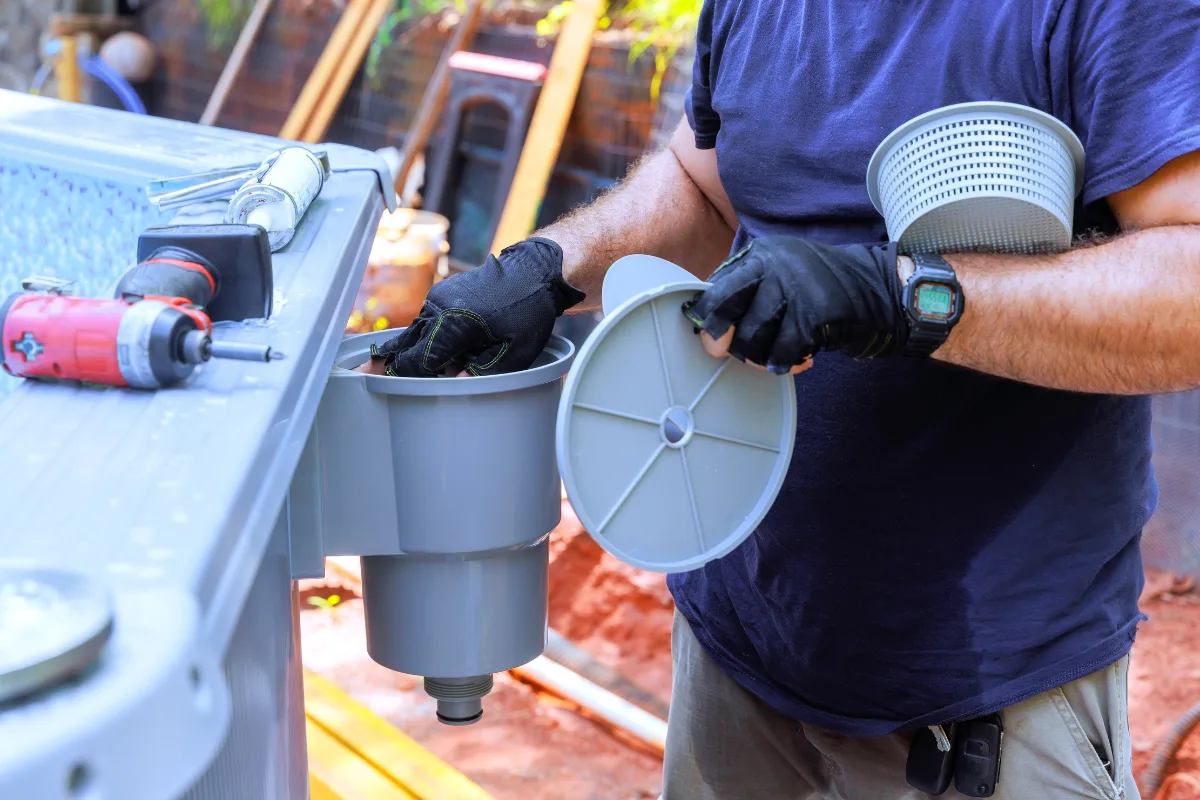
Filters remove debris and contaminants from pool water. Regular cleaning helps maintain proper circulation and water clarity.
Surface Cleaning
Leaves, dirt, and debris can accumulate quickly, particularly during certain seasons.
Routine cleaning helps maintain appearance and prevents unnecessary strain on equipment.
Equipment Inspections
Pumps, heaters, filters, and automation systems should be inspected regularly to ensure efficient operation.
Seasonal Maintenance Considerations
St. Louis experiences distinct seasonal changes, making seasonal maintenance especially important.
Proper opening procedures in spring and winterization before colder temperatures arrive can help protect the pool and equipment from damage.
Common Mistakes New Pool Owners Should Avoid
Many pool-related problems can be traced back to preventable mistakes.
Neglecting Water Testing
Waiting until water appears cloudy often means a problem has already developed. Regular testing helps maintain proper balance year-round.
Delaying Repairs
Small leaks or equipment issues rarely resolve themselves. Addressing concerns early often reduces repair costs and prevents larger complications.
Ignoring Equipment Maintenance
Pool equipment works continuously during the swimming season. Routine inspections help maximize efficiency and extend equipment lifespan.
Using Improper Chemicals
Adding incorrect products or improper amounts can create water quality issues and damage surfaces or equipment.
Professional guidance helps ensure safe and effective treatment.
The Long-Term Value of Professional Installation
A professionally installed pool provides advantages that extend well beyond the construction phase.
Benefits often include:
- Greater structural integrity
- Improved energy efficiency
- Better equipment performance
- Reduced maintenance challenges
- Longer service life
- Increased property appeal
Experienced installers understand how to address site conditions, construction requirements, and long-term functionality from the beginning.
Building an inground pool is a significant investment, but it can also be one of the most rewarding additions to your home. Careful planning, quality construction, and consistent maintenance all play a role in creating a pool that delivers years of enjoyment.
For homeowners considering inground pool installation services in St. Louis, partnering with knowledgeable professionals can help ensure every stage of the project is handled correctly. From initial design through ongoing maintenance, the right approach protects your investment and creates an outdoor space your family can enjoy for decades.
Frequently Asked Questions (FAQs)
How much maintenance does an inground pool require?
Most pools require weekly attention, including water testing, chemical adjustments, debris removal, and equipment checks. Seasonal opening and closing procedures are also important for long-term performance.
What is the most durable type of inground pool?
Gunite pools are widely recognized for their durability and longevity. Their reinforced concrete construction allows them to withstand years of use while offering extensive design flexibility.
How long does an inground pool typically last?
The lifespan depends on the pool type, construction quality, and maintenance practices. With proper care, many inground pools remain functional and attractive for several decades.
Can pool features be added after installation?
Yes. Features such as lighting, automation systems, heaters, and water elements can often be added during future upgrades or renovations, though planning for them during construction is usually more efficient.
Is professional pool maintenance worth the investment?
Professional maintenance helps identify issues early, maintain proper water chemistry, and protect equipment. Many homeowners find it reduces long-term repair expenses and helps keep the pool operating efficiently.