Call Us TODAY: (417) 772-3184
From Pool Construction to Renovation: A Guide for St. Louis Homeowners
A backyard swimming pool is more than an outdoor feature. It becomes a place where families gather, children learn to swim, friends celebrate special occasions, and homeowners enjoy quiet evenings after a long day. Whether you are planning a brand-new installation or upgrading an aging pool, understanding every stage of the process helps you make informed decisions and avoid unnecessary surprises.
Many homeowners begin by researching pool construction before eventually considering future upgrades that improve appearance, efficiency, and functionality. Planning ahead makes every investment more valuable over the long term.
If you’re considering pool construction in St. Louis, work with a company that knows the local area and the building process. Imber Pool & Outdoor guides homeowners through every stage, from the initial design discussion to the final finishing details, helping create outdoor spaces designed for years of enjoyment.
Why Planning Matters Before Building a Swimming Pool
Every successful swimming pool begins long before excavation starts. The planning phase determines how well the finished pool fits your property, lifestyle, and long-term goals.
Several factors influence the design process, including:
- Property size and layout
- Existing landscaping
- Sun exposure throughout the day
- Drainage considerations
- Local building requirements
- Intended pool usage
- Outdoor entertainment plans
Thinking about future additions such as outdoor kitchens, patios, lighting, fire features, or shade structures during the planning phase can prevent expensive modifications later.
A well-planned project creates an outdoor environment that feels complete instead of disconnected.
Step-by-Step Guide to the Pool Construction Process
Understanding each phase helps homeowners know what to expect from the beginning until the first swim.
-
Initial Consultation and Site Evaluation
Every project begins with understanding the homeowner’s vision. During the consultation, professionals evaluate the property, discuss preferred pool styles, identify potential challenges, and recommend practical design solutions that work with the available space.
Site measurements, grading conditions, utility locations, and access points all influence the construction schedule.
-
Custom Design and Project Planning
Once the site evaluation is complete, the design process begins.
This stage typically includes:
- Pool shape selection
- Size and depth planning
- Decking materials
- Water features
- Lighting options
- Equipment placement
- Safety considerations
Modern design software often helps homeowners visualize the completed backyard before construction begins.
-
Permits and Preparation
Before excavation begins, necessary permits and approvals must be secured.
Preparing the site may involve:
- Utility marking
- Equipment access planning
- Protecting existing landscaping
- Establishing construction boundaries
Proper preparation minimizes delays once work begins.
-
Excavation and Structural Installation
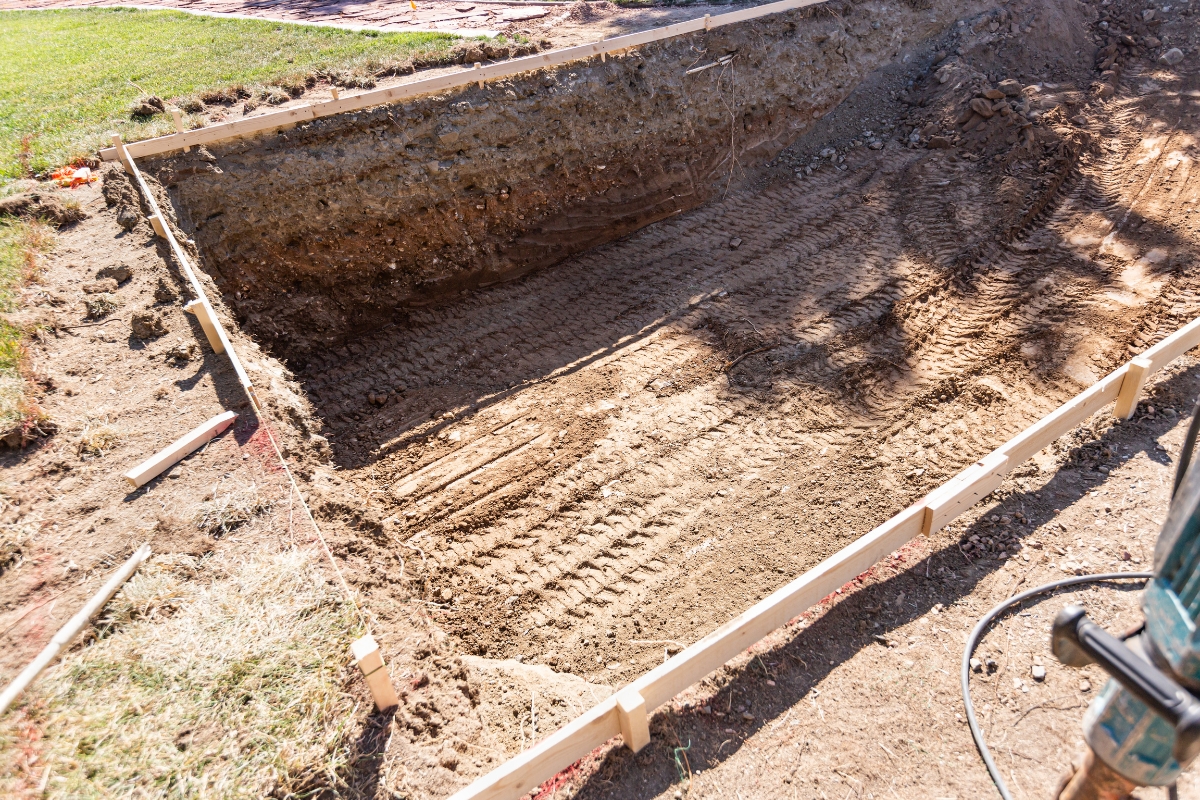
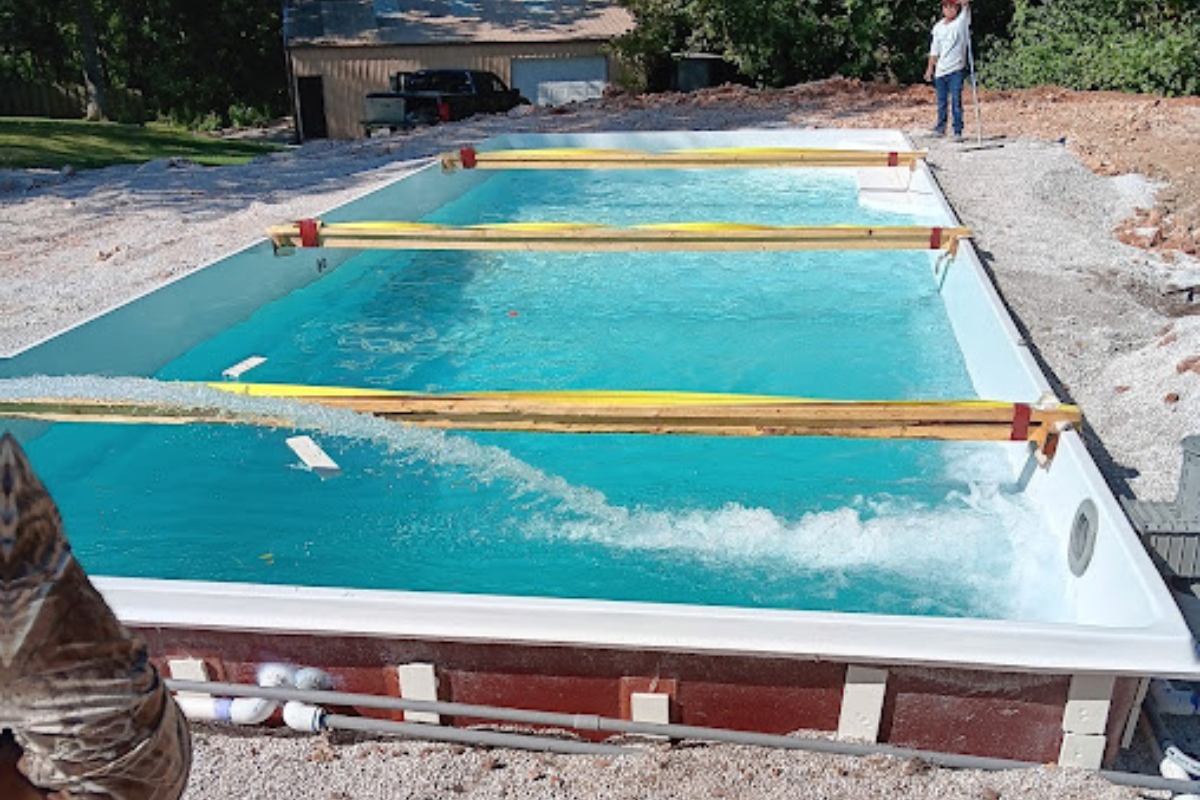
Excavation transforms the design into reality. Heavy equipment carefully removes soil in accordance with engineered specifications. Once excavation is complete, structural components are installed based on the selected pool type.
Additional systems may include:
- Plumbing
- Electrical connections
- Drainage systems
- Filtration equipment
- Pump installation
Every component must work together to support efficient operation for years.
-
Finishing the Pool
The final construction stages bring the project together. These may include:
- Interior surface installation
- Coping installation
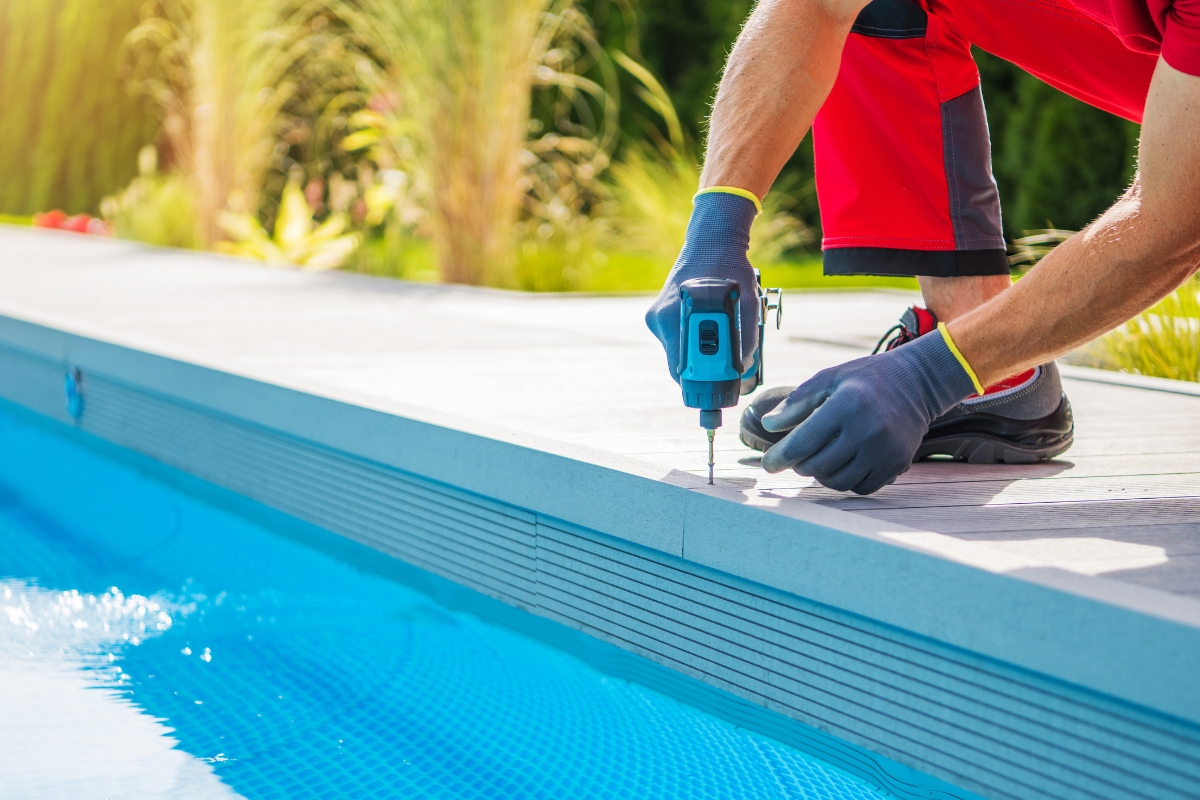
- Deck construction
- Tile work
- Water feature installation
- Lighting
- Equipment testing
- Water balancing
Before the project is complete, homeowners receive guidance on operating equipment and maintaining water quality.
What Happens After Your Pool Is Built?
A swimming pool continues to evolve after construction. As years pass, homeowners often decide to improve aesthetics, increase energy efficiency, replace aging equipment, or modernize outdated finishes.
Routine maintenance helps extend the life of every component, but eventually most pools benefit from updates that improve both appearance and performance.
Signs It May Be Time for Pool Renovation
Many pools remain structurally sound while showing signs of age.
Common indicators include:
- Cracked or worn interior surfaces
- Loose or damaged tile
- Outdated decking
- Aging plumbing or equipment
- Frequent leaks
- Rising utility costs
- Inefficient pumps or filters
- Faded finishes
Homeowners searching for pool renovation in St. Louis often discover that strategic upgrades can significantly extend the life of an existing pool while enhancing safety and efficiency.
What Does Pool Renovation Include?
Not every renovation involves rebuilding an entire swimming pool. A comprehensive pool renovation project may include one or several improvements depending on the pool’s condition.
Popular renovation upgrades include:
- Interior resurfacing
- Tile replacement
- New coping
- Deck replacement
- LED lighting installation
- Automation systems
- Energy-efficient pumps
- Modern filtration equipment
- Water feature additions
- Updated safety features
These improvements create a more enjoyable swimming experience while reducing long-term maintenance concerns.
Why Pool Renovation and Repair Matter
Even minor problems can become major structural issues if ignored. Professional pool renovation and repair services address problems before they affect the entire system.
Examples include:
- Leak detection
- Plumbing repairs
- Equipment replacement
- Crack repairs
- Surface restoration
- Structural reinforcement
- Drainage improvements
Addressing these issues early often prevents larger renovation projects later.
Renovation Can Improve More Than Appearance
Many homeowners initially renovate because their pool looks outdated. However, modern upgrades provide additional benefits.
-
Better Energy Efficiency
Today’s equipment uses considerably less electricity than older systems.
Replacing pumps, filters, heaters, and automation controls can improve operational efficiency while simplifying maintenance.
-
Improved Safety
Modern renovations may include:
-
- Slip-resistant decking
- Updated lighting
- Improved drainage
- Safer entry systems
- Modern fencing recommendations
-
Enhanced Outdoor Living
A renovation provides an opportunity to redesign the surrounding backyard.
Homeowners often add:
- Outdoor kitchens
- Seating walls
- Shade structures
- Fire features
- Expanded patios
- Decorative lighting
These additions transform the pool into the centerpiece of an outdoor living area.
Pool Renovation and Repair: Protecting Your Investment
Delaying maintenance rarely saves money. Professional pool renovation and repair helps preserve structural integrity while preventing water loss, equipment failure, and expensive damage.
Homeowners considering pool renovation & repair in St. Louis often choose to combine structural repairs with cosmetic upgrades, allowing multiple improvements to be completed during a single project.
Choosing a Company That Handles Construction and Renovation
Working with one company throughout the life of your swimming pool provides consistency and long-term support.
Look for a contractor that offers:
- Detailed planning
- Transparent project timelines
- Quality materials
- Comprehensive construction services
- Renovation expertise
- Repair capabilities
- Ongoing support after project completion
Because every backyard is different, experience with both new installations and upgrades provides valuable insight when recommending practical solutions.
Whether building a new backyard retreat or updating an older swimming pool, Imber Pool & Outdoor – St. Louis provides services that support homeowners through every stage of ownership.
A swimming pool is an investment that evolves over time. Thoughtful planning during pool construction, consistent maintenance, and timely upgrades all contribute to years of enjoyment and lasting value. Whether your goal is creating a brand-new outdoor space or extending the life of an existing pool, understanding each stage helps you make confident decisions.
If you are considering pool construction in St. Louis or exploring Pool Renovation & repair, partnering with Imber Pool & Outdoor allows you to work with a team that manages every phase, from the initial concept through renovation, repairs, and future improvements.
Frequently Asked Questions
How long does it take to build a new swimming pool?
Construction timelines vary depending on the design, weather, permitting process, and site conditions. A professional consultation provides a more accurate project schedule based on your property.
How do I know if my pool needs renovation instead of simple repairs?
Surface damage, outdated equipment, recurring leaks, rising maintenance needs, or aging finishes may indicate that a complete renovation will provide greater long-term value than repeated repairs.
Can I add new features during a renovation project?
Yes, many homeowners choose to install LED lighting, waterfalls, tanning ledges, automation systems, new decking, or updated coping while renovating their existing pool.
Is it better to repair small cracks immediately?
Yes, addressing cracks and minor structural issues early helps prevent water loss, additional damage, and more extensive repairs in the future.
What should I look for before choosing a pool contractor?
Choose a company that provides clear communication, detailed planning, quality workmanship, transparent timelines, and services that include both new construction and future renovations.
Why should I schedule a professional pool evaluation?
A professional assessment identifies existing concerns, recommends practical improvements, and helps homeowners plan projects that enhance safety, functionality, and long-term enjoyment.