Call Us TODAY: (417) 772-3184
9 Pool Surface Problems Springfield Homeowners Shouldn’t Ignore
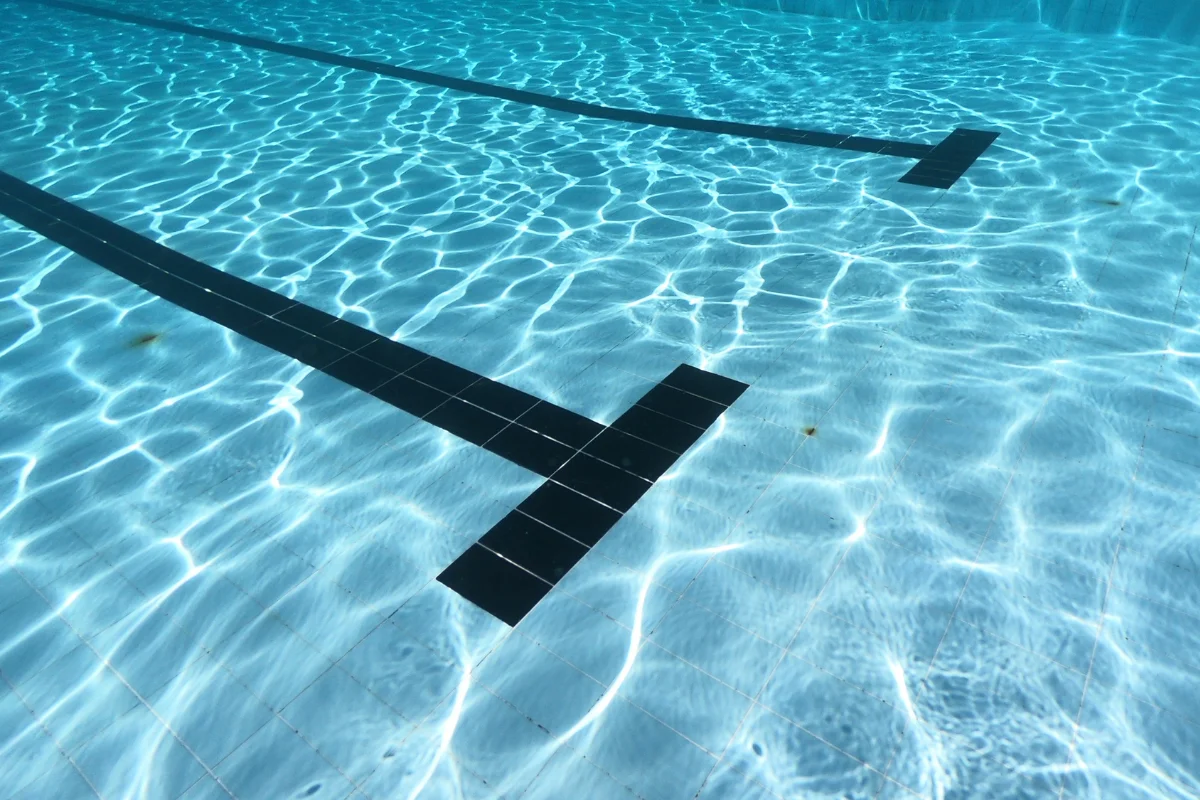
A backyard pool can be a valuable part of your home, but its surface does not stay in the same condition forever. Years of chemical exposure, changing Missouri weather, regular use, and routine maintenance can gradually affect the finish.
For homeowners in Springfield, MO, recognizing surface problems early can make it easier to plan repairs or renovations before minor wear becomes more noticeable.
If you are searching for pool resurfacing companies near me, knowing what to look for can help you have a more productive conversation with a pool contractor. Imber Pool & Outdoor helps homeowners evaluate aging pools and explore renovation options based on the condition of their outdoor spaces.
Pool resurfacing is not simply about changing how a pool looks. Depending on the condition of the existing finish, resurfacing can address worn areas, improve surface comfort, and give an older pool a refreshed appearance.
What Is Pool Resurfacing?
Pool resurfacing involves preparing or removing an existing pool finish and applying a new surface. The exact process depends on the pool’s condition, its existing materials, and the finish you choose.
As pool surfaces age, homeowners may begin noticing rough areas, discoloration, stains, cracks, or other visible changes. Some problems may respond to routine maintenance, while others can indicate deterioration of the surface itself.
Several factors can influence how a pool finish ages, including:
- Changes in Missouri weather
- Exposure to sunlight
- Pool water chemistry
- Cleaning and maintenance practices
- Frequency of pool use
- Age of the existing finish
- Previous repairs or renovations
A professional inspection can help determine whether resurfacing is appropriate or whether another type of pool repair is needed.
9 Signs It May Be Time to Resurface Your Pool
1. The Pool Surface Feels Rough
A pool surface should generally feel comfortable underfoot. Over time, however, the finish can wear away and develop rough or uneven areas.
You may notice the difference while walking on the pool floor or touching the walls. If previously smooth areas have become noticeably coarse, having the finish inspected can help identify the cause.
2. Cracks or Chips Are Appearing
Small cracks, chips, and worn sections can become more noticeable as a pool ages. Not every crack means the entire pool needs resurfacing. Some cracks may involve only the finish, while others could point to a different problem.
A pool contractor can examine the affected area and determine whether resurfacing, localized repair, or further evaluation is appropriate.
3. The Finish Has Become Faded or Discolored
Pool finishes can gradually lose their original appearance. Sunlight, chemicals, minerals, and normal aging can all contribute to fading or uneven coloration. Cleaning may improve some discoloration. However, if the finish itself has permanently changed, routine cleaning may not restore its previous appearance.
Resurfacing gives homeowners an opportunity to replace the aging finish and reconsider the overall look of the pool.
4. Stains Keep Coming Back
Pool stains can develop for several reasons, including mineral deposits, organic material, chemical imbalances, and finish deterioration. Some stains can be treated through cleaning or water chemistry adjustments. Others remain even after regular maintenance.
Persistent staining can be a reason to have the surface professionally evaluated, especially when it appears alongside roughness, fading, or other signs of wear.
5. The Surface Is Peeling or Flaking
Peeling and flaking are visible signs that a pool finish may be deteriorating.
You might notice small pieces separating from the surface or sections where the finish no longer appears uniform. These changes can affect both the pool’s appearance and how the surface feels.
An inspection can help determine the extent of the deterioration and whether to consider resurfacing.
6. Pool Maintenance Is Becoming More Difficult
An aging surface can sometimes make routine pool care more challenging.
Rough or deteriorated areas may collect dirt, debris, or buildup more easily than a smooth, intact finish. You may find yourself spending more time cleaning without seeing the results you previously achieved.
When maintenance becomes increasingly difficult, the condition of the pool surface may be one factor worth investigating.
7. Your Pool No Longer Matches Your Backyard
Backyards often change over time. Homeowners may install new landscaping, replace patios, add outdoor kitchens, or update other features. An older pool finish can stand out when the surrounding outdoor space has been renovated.
Resurfacing can become part of a broader backyard improvement project, helping create a more coordinated appearance between the pool and surrounding features.
8. You Are Already Planning Pool or Backyard Improvements
If you are considering other pool improvements, it may make sense to evaluate the existing surface at the same time. Decking work, new water features, landscaping, lighting, and other outdoor improvements can change the space’s overall appearance.
Discussing resurfacing alongside other planned renovations can help homeowners develop a more coordinated project plan.
9. Your Pool Surface Has Been in Place for Many Years
There is no single age at which every pool must be resurfaced. Different materials, maintenance routines, water conditions, and usage patterns can affect how long a finish remains in suitable condition.
However, an older surface deserves closer attention when it begins showing visible wear.
A contractor can assess its current condition rather than recommending resurfacing based on age alone.
What Should You Consider Before Resurfacing a Pool?
Resurfacing involves more than selecting a new finish or color. Understanding the pool’s current condition can help you make informed renovation decisions.
Start With the Existing Pool Condition
An inspection can identify cracks, worn areas, staining, surface deterioration, and other concerns.
This step matters because resurfacing may not fix every pool problem. Structural, plumbing, equipment, or other repair needs may require separate work.
Compare Pool Finish Options
Pool finishes are available in different materials, textures, colors, and appearances. Options may include plaster-based finishes, aggregate finishes, and other decorative surfaces. Each option has different maintenance needs and visual characteristics.
The appropriate choice depends on your existing pool, design preferences, and renovation goals.
Think About the Entire Outdoor Space
A pool does not exist separately from the rest of your backyard. Consider surrounding decking, landscaping, patios, outdoor living areas, and other features when choosing a new finish. Looking at the entire space can help create a more consistent design.
Understand the Scope of the Project
Pool resurfacing may involve several stages depending on the condition of the existing surface.
Work can include preparing or removing the old finish, evaluating underlying areas, completing necessary repairs, preparing the pool for the selected material, and applying the new surface.
Ask your contractor to explain the proposed process before work begins.
Why Does Choosing the Right Pool Resurfacing Contractor Matter?
Resurfacing is a construction project that requires careful surface preparation, appropriate materials, and proper installation.
When comparing pool resurfacing companies near me, homeowners should consider more than the finished appearance shown in project photos. Communication, inspection practices, material knowledge, and project planning also matter.
A contractor should be prepared to discuss:
- The current condition of your pool
- Areas of visible deterioration
- Available finish options
- Necessary preparation or repairs
- Project requirements
- Maintenance considerations
- What to expect during the renovation
When comparing pool resurfacing companies in Springfield, ask how each contractor evaluates existing pools and determines whether resurfacing is appropriate.
Imber Pool & Outdoor works with Springfield-area homeowners on outdoor construction and renovation projects. Our team can discuss your pool’s current condition, renovation goals, and available options.
Can Resurfacing Change the Look and Feel of an Older Pool?
Yes. One of the main reasons homeowners consider resurfacing is to address an aging or visibly worn finish.
A new surface can change the pool’s color, texture, and overall appearance. It can also address rough or deteriorated areas when resurfacing is appropriate for the pool’s condition.
The result depends on the existing pool, selected materials, preparation requirements, and overall project scope.
For homeowners who are already updating patios, landscaping, or other backyard features, pool resurfacing can also help bring the different parts of the outdoor area together visually.
Give Your Aging Pool a Fresh Start
Rough areas, persistent stains, cracks, peeling finishes, fading, and increasing maintenance needs can all indicate that your pool surface deserves professional attention.
These signs do not automatically mean that resurfacing is necessary. A professional evaluation can help identify the source of the problem and determine which type of renovation or repair makes sense.
Choosing among pool resurfacing companies in Springfield starts with finding a contractor who takes time to evaluate your pool and explain your options.
Imber Pool & Outdoor in Springfield helps homeowners plan outdoor renovation projects based on their property, goals, and existing conditions.
Call our team today to discuss your pool resurfacing project and explore options for refreshing your outdoor space.
Frequently Asked Questions
How do I know if my pool needs resurfacing?
Rough areas, peeling, persistent stains, fading, cracks, and visible surface deterioration can indicate that your pool needs evaluation. A contractor can inspect the finish and determine whether resurfacing or another repair may be appropriate.
Does every pool crack mean I need resurfacing?
No. Cracks can develop for different reasons, and resurfacing is not the solution for every type of damage. A professional inspection can help determine whether the crack affects the surface finish or requires additional evaluation.
Can resurfacing update the appearance of an older pool?
Yes. Resurfacing replaces an aging finish and gives homeowners an opportunity to select a different surface appearance. Imber Pool & Outdoor can discuss finish options based on your existing pool and renovation plans.
Can stains be removed without resurfacing?
Some stains may respond to cleaning, treatment, or adjustments to water chemistry. Persistent stains can sometimes be related to the condition of the finish. A pool professional can help identify the likely cause before recommending a solution.
Does pool resurfacing fix every problem with a pool?
No. Resurfacing primarily addresses the pool’s surface finish. Structural concerns, plumbing problems, equipment issues, or other damage may require separate repairs. An inspection helps establish what work is actually needed.
Who can homeowners contact for pool resurfacing in Springfield, MO?
Springfield homeowners considering pool resurfacing can contact Imber Pool & Outdoor to discuss the condition of their existing pool and renovation goals. The team can evaluate the project.