Call Us TODAY: (417) 772-3184
Can Replastering Fix a Leaking Pool, or Should Leak Detection Come First?
Your pool looked fine last weekend. Now the waterline keeps dropping, and you are reaching for the garden hose again. Is worn plaster letting water escape? Or is a hidden pipe causing the trouble?
Replastering may sound like the quickest answer. However, choosing it prematurely could leave you with a beautiful pool that still leaks.
Pool repair & replastering in Springfield starts with understanding where the water is going. Here is how to decide what your pool needs before committing to repairs.
Should You Detect a Leak Before Replastering?
Yes. If you suspect a leak, identify its source before replastering. Surface damage may be responsible, but plumbing, fittings, and structural cracks can also allow water to escape.
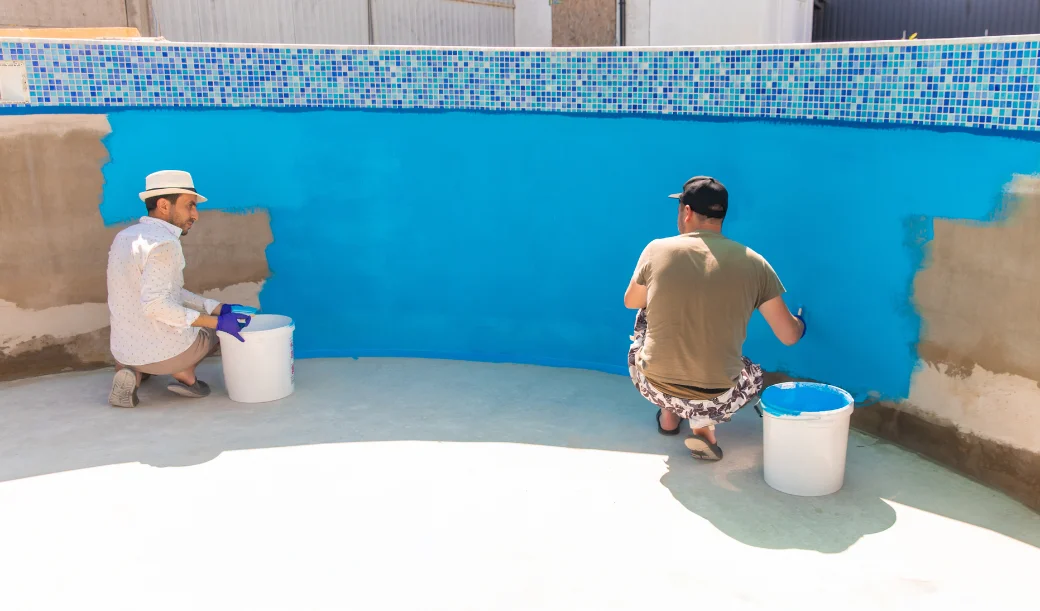
Replastering renews a concrete pool’s interior finish after underlying problems are corrected. It does not automatically seal a broken underground pipe or damaged skimmer connection.
A proper assessment helps separate two questions: Why is the pool losing water, and does its finish need replacement? Sometimes both services are necessary. Other times, a targeted repair is enough.
How Can Damaged Plaster Cause Leaks?
Plaster forms the finished interior surface of many concrete swimming pools. Years of chemical exposure, everyday use, and changing water conditions can wear it down.
Watch for these changes:
- Deep cracks: Openings may let water move through damaged areas, especially when the underlying shell is affected.
- Chipping or missing plaster: Exposed sections need attention before deterioration spreads.
- Rough, eroded patches: Surface wear may indicate that the finish is reaching the end of its service life.
- Persistent stains: Discoloration that remains after cleaning can signal an aging finish, although stains alone do not prove a leak.
Not every hairline mark leaks. An inspection can identify cosmetic damage and more serious problems.
When Will Replastering Not Stop Water Loss?
A new finish will not help much if water escapes somewhere beyond the plaster. Several common problems require different repairs.
Leaking Pipes or Pool Equipment
Underground PVC lines, pump connections, and other components can develop leaks. Water may escape while the pool operates, even when its interior looks smooth. Plumbing or equipment repairs must address the damaged part.
Damaged Skimmers and Fittings
Water can escape near skimmers, returns, drains, or light fittings. These areas need specific inspections and repairs. Covering the pool walls with fresh plaster does not resolve a failed seal elsewhere.
Deeper Cracks in the Pool Shell
A crack in the underlying structure is different from superficial plaster checking. It may need structural evaluation and repair before resurfacing. Applying a new finish over unresolved movement can lead to further damage.
What Happens During Professional Leak Detection?
Finding a leak is not always as simple as spotting a wet patch. Water can travel underground before appearing somewhere unexpected.
Imber Pool & Outdoor offers inground pool leak detection in the Springfield area. Its published service information describes inspections, pressure testing, specialized cameras, and acoustic listening equipment.
The inspection may include:
- Review the symptoms. Frequent refilling, unexplained water loss, damp ground, and equipment issues provide useful clues.
- Inspect visible areas. The pool shell, skimmer openings, surrounding deck, and accessible equipment may reveal damage.
- Test suspected plumbing. Pressure testing helps determine whether certain lines are losing pressure.
- Investigate hidden locations. Specialized detection tools help narrow down leaks that cannot be seen directly.
- Recommend the appropriate repair. Findings guide whether to fix plumbing, address surface damage, or consider replastering.
Before an inspection, keep the pool clean, the water clear, and its level near normal. Imber recommends these steps to support accurate leak detection.
When Does Replastering Make Sense?
Replastering may be appropriate when a concrete pool’s finish is substantially worn, rough, chipped, or persistently stained. It can also be part of restoring a pool after leak-related damage has been repaired.
Imber offers pool plastering, replastering, and resurfacing. Its website discusses traditional plaster, aggregate finishes, and tile as resurfacing options. The right choice depends on the pool’s construction, condition, and the desired appearance.
A renewed surface can improve the pool’s look and feel. More importantly, addressing the actual cause of water loss first gives that investment a better foundation.
What Is the Right Repair Order?
Think of leak repair and replastering as connected decisions, not interchangeable services.
- First, confirm the problem. Track unusual water loss and arrange professional detection when a leak is suspected.
- Next, repair the cause. This could involve a leaking pipe, damaged fitting, or a crack requiring more than surface treatment.
- Then, evaluate the finish. Determine whether isolated plaster repairs are sufficient or broader replastering is justified.
- Finally, restore and maintain the pool. Follow the contractor’s instructions for filling, water balance, and caring for a newly finished surface.
An inspection helps prevent unnecessary resurfacing and untreated leaks.
Why Springfield Homeowners Choose Imber
A leaking pool can involve more than one component. Coordinating separate contractors for plumbing, plaster, and surrounding repairs can become frustrating.
Imber Pool & Outdoor provides several related services through one pool renovation and repair team. The company’s published offerings include leak detection, plastering and replastering, resurfacing, PVC pipe repairs, pumps, filters, heaters, tile, coping, and deck refinishing.
That range matters when the cause is unclear. Discuss targeted repairs or broader updates with a team familiar with inground pools.
Imber serves Springfield and surrounding communities, helping homeowners plan repairs that match their pool’s actual condition rather than guessing at a solution.
What Should You Do Right Now?
If the waterline keeps dropping, note how often you refill the pool. Look for damp areas, visible cracks, and changes in equipment performance. A bucket test can help compare evaporation with pool water loss, but it cannot locate the leak.
Avoid draining a pool or attempting major repairs without professional guidance. Draining can create additional risks, especially when groundwater conditions are unfavorable.
Contact a pool repair team before resurfacing decisions become expensive guesses.
Frequently Asked Questions
Can New Plaster Completely Waterproof a Pool?
Properly installed plaster contributes to the watertight finish of a concrete pool. However, it cannot be relied upon to correct leaking pipes, failed fittings, or unresolved structural damage. Diagnose the leak before choosing a finish.
Does Every Crack Mean My Pool Leaks?
No. Some fine cracks affect only the surface, while deeper damage can allow water to escape. Crack size alone does not confirm the cause. Professional inspection helps determine whether repairs are necessary.
Can Leak Detection Be Done Without Draining?
Often, yes. Many inspections and plumbing tests can be performed while the pool remains filled. The method depends on the suspected leak. Imber recommends clear water and a normal water level before testing.
Should I Replaster an Older Pool Anyway?
Age matters, but condition matters more. Widespread roughness, chipping, and lasting stains may justify resurfacing. If the pool also loses water, locate and repair the leak before committing to a new finish.
Stop the Leak Before It Spoils Another Swim
A refreshed pool should do more than look good. It should be ready for relaxed weekends without constant refilling or lingering repair worries.
For pool repair & replastering in Springfield, turn to Imber Pool & Outdoor. Our team can assess suspected leaks and discuss repair, plastering, and resurfacing options for your inground pool. request a quote to take the next step toward a pool you can enjoy again.