Call Us TODAY: (417) 772-3184
10 Signs Your Commercial Pool Needs Professional Repair
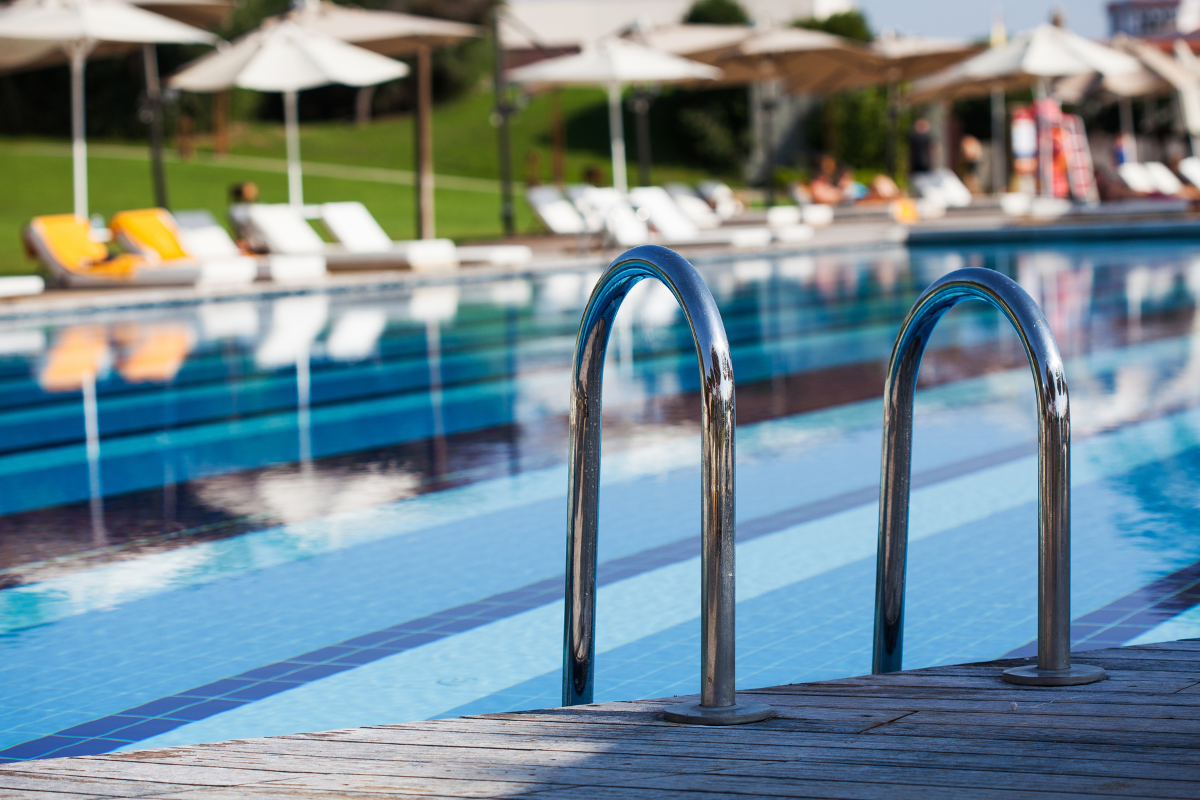
Commercial swimming pools are a major investment for hotels, apartment communities, fitness centers, schools, municipal facilities, and recreational properties. A clean, safe, and properly functioning pool enhances the visitor experience while helping property owners comply with health and safety regulations. However, like any heavily used structure, a pool experiences wear over time. Ignoring small problems can lead to structural damage, equipment failure, increased operating costs, and unexpected downtime.
Knowing when to schedule repairs is essential for protecting your investment and maintaining a safe environment for guests. If you own or manage a facility in Saint Louis or the surrounding region, recognizing these warning signs early can help prevent expensive renovations later. Investing in commercial pool repair in St. Louis at the right time keeps your facility operating efficiently and extends your pool’s lifespan.
At Imber Pool & Outdoor – St Louis, commercial property owners receive comprehensive repair solutions that address both visible issues and hidden problems before they become larger concerns.
Why Early Pool Repairs Matter
Many facility managers wait until a noticeable failure occurs before contacting a contractor. Unfortunately, most pool problems begin long before they become obvious. Minor surface cracks, plumbing leaks, equipment inefficiencies, or deteriorating finishes gradually worsen with daily use and seasonal changes in weather.
Early inspections and timely repairs help:
- Reduce long-term maintenance expenses
- Improve swimmer safety
- Prevent unexpected closures
- Extend the life of pool equipment
- Maintain water quality
- Protect surrounding decks and structures
- Preserve the property’s appearance
The earlier a problem is identified, the more manageable the repair usually becomes.
1. Visible Cracks in the Pool Structure
One of the most obvious warning signs is the appearance of cracks in the pool shell, coping, or surrounding concrete. While very small surface imperfections may be cosmetic, larger or expanding cracks often indicate movement beneath the structure or material deterioration.
Common causes include:
- Ground movement
- Soil settlement
- Freeze-thaw cycles
- Aging concrete
- Structural stress
Even small cracks allow water to penetrate the structure, which can eventually lead to larger structural concerns if ignored.
When Should You Be Concerned?
Watch for:
- Cracks that continue growing
- Water leaking through cracks
- Uneven surfaces
- Missing concrete around expansion joints
A professional inspection determines whether repairs are cosmetic or structural.
2. Water Level Drops Faster Than Normal
Every swimming pool loses some water through evaporation. However, excessive water loss usually points to an underlying leak.
If staff members constantly add water or notice significant water loss within a short period, the issue should not be ignored.
Potential leak sources include:
- Underground plumbing
- Return lines
- Main drains
- Pool shell damage
- Skimmer connections
- Equipment fittings
Leaks not only waste water but can also damage surrounding soil, foundations, landscaping, and nearby structures.
Modern leak detection equipment allows professionals to locate problems accurately without unnecessary demolition.
3. Pool Equipment Frequently Breaks Down
The circulation system is the heart of any commercial swimming pool. Pumps, filters, heaters, valves, and automation equipment work continuously to maintain proper water quality.
If equipment requires repeated repairs or struggles to maintain consistent operation, it may indicate larger system issues.
Warning signs include:
- Pumps are making loud noises
- Poor circulation
- Reduced water pressure
- Filters clogging too frequently
- Heaters failing to maintain temperature
- Control systems malfunctioning
Ignoring equipment problems often leads to higher energy consumption and additional mechanical failures.
Routine inspections help identify components nearing the end of their service life before complete breakdown occurs.
4. Persistent Water Quality Problems
Cloudy water is not always caused by poor chemical balance. When water quality problems continue despite proper maintenance, structural or mechanical issues may be affecting circulation or filtration.
Possible underlying causes include:
- Aging filtration systems
- Plumbing restrictions
- Broken circulation equipment
- Damaged skimmers
- Internal leaks
Healthy water depends on every component working together efficiently.
Facilities that manage commercial pools in St. Louis often experience heavy seasonal use, making reliable filtration especially important during peak operating periods.
If water clarity continues to decline despite routine chemical adjustments, professional evaluation becomes necessary.
5. Damaged Pool Finish or Surface Deterioration
Pool surfaces naturally wear down over time due to constant water exposure, chemicals, sunlight, and heavy usage.
Signs of finish deterioration include:
- Rough surfaces
- Stains that no longer clean away
- Peeling finishes
- Chipping
- Exposed aggregate
- Surface discoloration
Besides affecting appearance, deteriorating finishes create rough areas that may cause discomfort or minor injuries for swimmers.
A worn surface can also make algae removal more difficult, increasing maintenance requirements.
Professional resurfacing or localized repairs restore both appearance and functionality while protecting the underlying structure from further deterioration.
Many commercial property owners throughout Saint Louis, as well as facilities serving visitors near Lake of the Ozarks and Osage Beach, schedule periodic inspections to identify these issues before they require extensive reconstruction.
6. Rising Utility and Operating Costs
An unexplained increase in monthly operating expenses is another sign that repairs may be overdue. Aging equipment, hidden leaks, and inefficient circulation systems often consume more electricity and water than necessary.
Common reasons operating costs increase include:
- Pumps working harder because of plumbing restrictions
- Leaks requiring frequent water replacement
- Inefficient heating systems
- Filters operating beyond their intended capacity
- Automation systems are no longer functioning correctly
Tracking utility bills over time can help identify unusual changes. When operating costs continue to rise without a clear explanation, a professional inspection can uncover the source of the problem and recommend appropriate repairs.
7. Loose, Broken, or Uneven Pool Decking
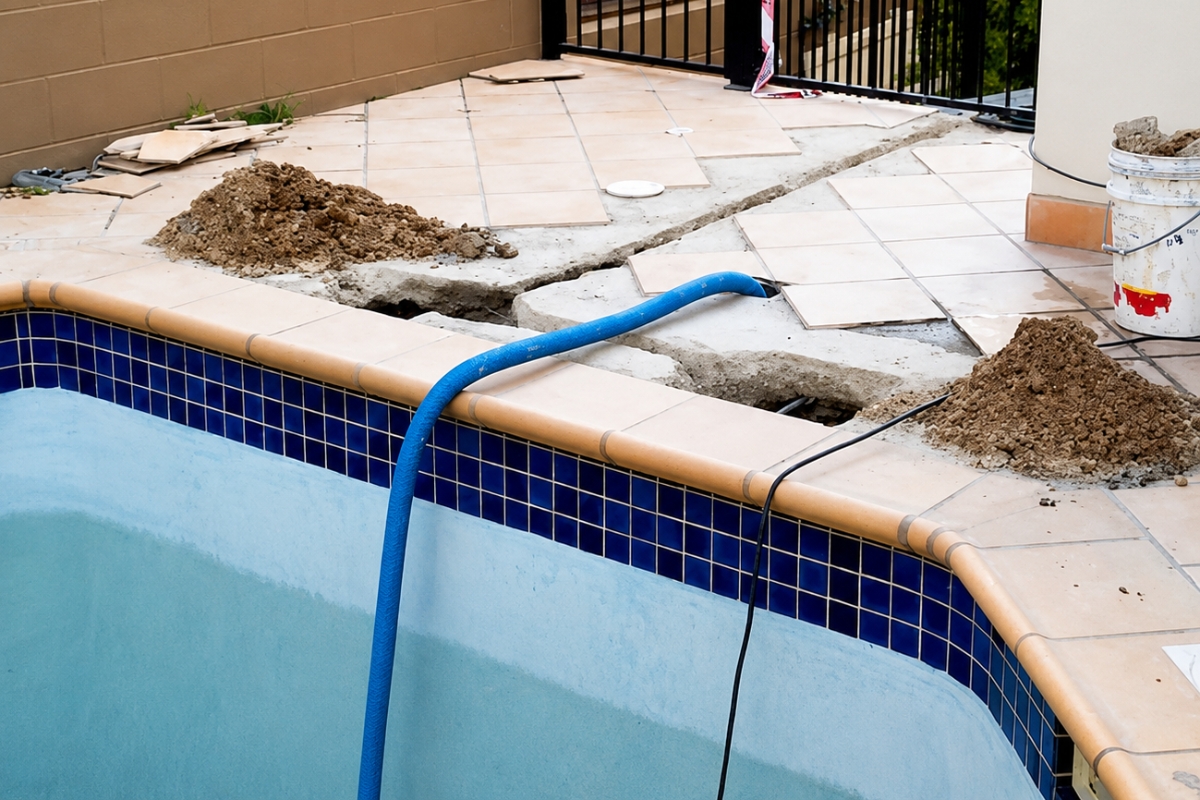
The area surrounding a pool is just as important as the pool itself. Cracked concrete, loose coping, uneven walkways, or damaged deck surfaces create safety hazards for guests and employees.
Watch for signs such as:
- Uneven concrete panels
- Loose coping stones
- Surface cracks
- Areas that collect standing water
- Trip hazards around the deck
Damaged decking not only affects appearance but also increases liability risks. Addressing these issues early helps create a safer environment while preventing further structural deterioration around the pool.
8. Rust, Corrosion, or Visible Equipment Damage
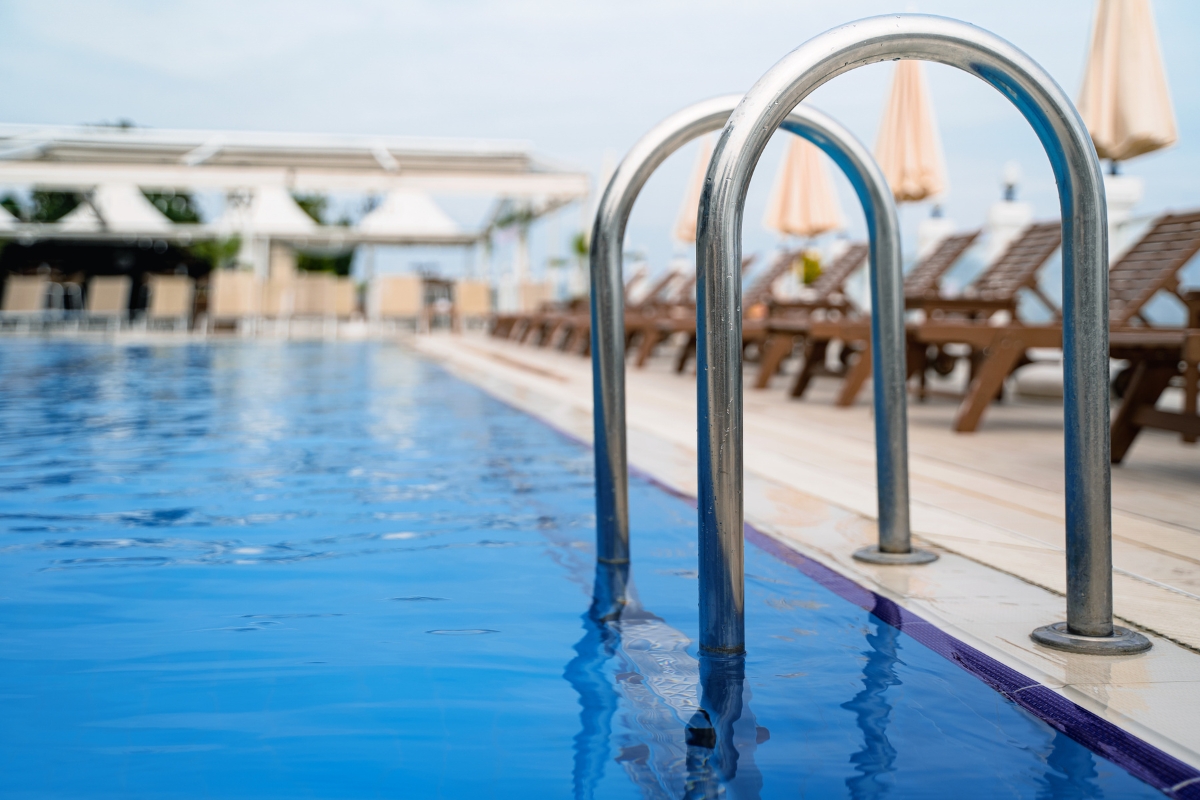
Pool equipment is constantly exposed to moisture and chemicals. Over time, corrosion can affect pumps, piping, ladders, handrails, drains, lighting fixtures, and other metal components.
Warning signs include:
- Rust stains around equipment
- Corroded handrails
- Deteriorating metal fittings
- Visible pipe corrosion
- Loose mounting hardware
Surface rust may seem minor, but corrosion often extends beneath visible areas and can eventually compromise the strength and reliability of critical components.
Routine inspections help identify parts that should be repaired or replaced before they fail unexpectedly.
9. Frequent Pool Closures or Safety Concerns
Unexpected closures frustrate guests, interrupt business operations, and may affect customer satisfaction. If maintenance issues are forcing repeated shutdowns, it is often a sign that larger repairs are needed.
Recurring closures may result from:
- Mechanical failures
- Water quality violations
- Structural damage
- Broken circulation equipment
- Electrical issues
- Persistent leaks
Rather than addressing one issue at a time, a comprehensive assessment identifies underlying problems that continue to affect daily operations.
Keeping the facility open safely should always be the priority for any commercial property owner.
10. Your Pool Has Not Had a Professional Inspection in Years
Not every issue is immediately visible. Some of the most expensive repairs begin as hidden problems inside plumbing systems, structural components, or mechanical equipment.
If your pool has operated for several years without a detailed professional inspection, scheduling one is a proactive step toward protecting your investment.
A comprehensive evaluation may include:
- Structural assessment
- Equipment performance review
- Plumbing inspection
- Circulation system testing
- Surface condition evaluation
- Safety feature inspection
Regular inspections help identify developing issues before they become emergency repairs, allowing property owners to plan maintenance with fewer unexpected expenses.
How Professional Repairs Protect Your Investment
Commercial pools represent a significant long-term investment. Delaying repairs often allows relatively minor issues to spread into structural damage, equipment replacement, or extended facility closures.
Working with qualified professionals provides advantages such as:
- Accurate diagnosis of underlying problems
- Repairs that meet industry standards
- Longer equipment lifespan
- Improved operational efficiency
- Enhanced swimmer safety
- Reduced likelihood of emergency breakdowns
At Imber Pool & Outdoor – St Louis, every project begins with a careful evaluation to determine the most appropriate repair approach based on the pool’s condition and operational needs. From structural repairs to equipment upgrades and surface restoration, the focus is on delivering lasting performance that keeps facilities operating reliably.
Keep Your Commercial Pool Safe, Efficient, and Ready for Every Season
Small warning signs should never be overlooked. Cracks, leaks, deteriorating finishes, equipment failures, rising operating costs, and recurring water quality problems often indicate that professional repairs are needed before larger issues develop.
If your facility serves guests in Saint Louis, Jefferson City, Columbia, or nearby communities, scheduling repairs at the first sign of trouble helps protect your investment, maintain safety, and minimize operational disruptions.
Whether your property requires structural restoration, equipment repairs, resurfacing, or a complete system evaluation, Imber Pool & Outdoor in St Louis provides comprehensive solutions designed to restore performance and extend the life of your swimming facility. If you’ve noticed any of these warning signs, now is the right time to schedule commercial pool repair in St. Louis and address problems before they worsen.
Frequently Asked Questions
How often should a commercial swimming pool be professionally inspected?
A professional inspection is recommended at least once a year. Facilities with heavy daily use or seasonal demand may benefit from more frequent evaluations to identify developing issues before they require extensive repairs.
Can small cracks in a pool become serious problems?
Yes, even minor cracks can allow water to seep into the structure, potentially leading to larger structural damage, leaks, and costly repairs if left untreated.
What is the most common reason commercial pools require repairs?
Leaks, aging equipment, deteriorating finishes, plumbing issues, and structural wear are among the most common reasons commercial swimming pools require professional attention.
Is it safe to keep operating a pool that has recurring equipment problems?
Continuing to operate a pool with unresolved mechanical issues can affect water circulation, sanitation, and swimmer safety. A professional inspection can identify the underlying cause and recommend the necessary repairs.
How can I tell if my pool has a hidden leak?
Signs include unexplained water loss, higher water bills, damp areas around the pool, shifting soil, or equipment that constantly needs additional water. Leak detection specialists use advanced equipment to accurately locate hidden leaks.
Why should I hire a professional pool repair company instead of handling repairs myself?
Commercial pool systems involve structural components, plumbing, electrical systems, and specialized equipment that require expert knowledge. Professional repairs help ensure the work is completed safely, meets applicable standards, and provides long-term reliability.