Call Us TODAY: (417) 772-3184
Common Pool Repair Issues and How to Prevent Them
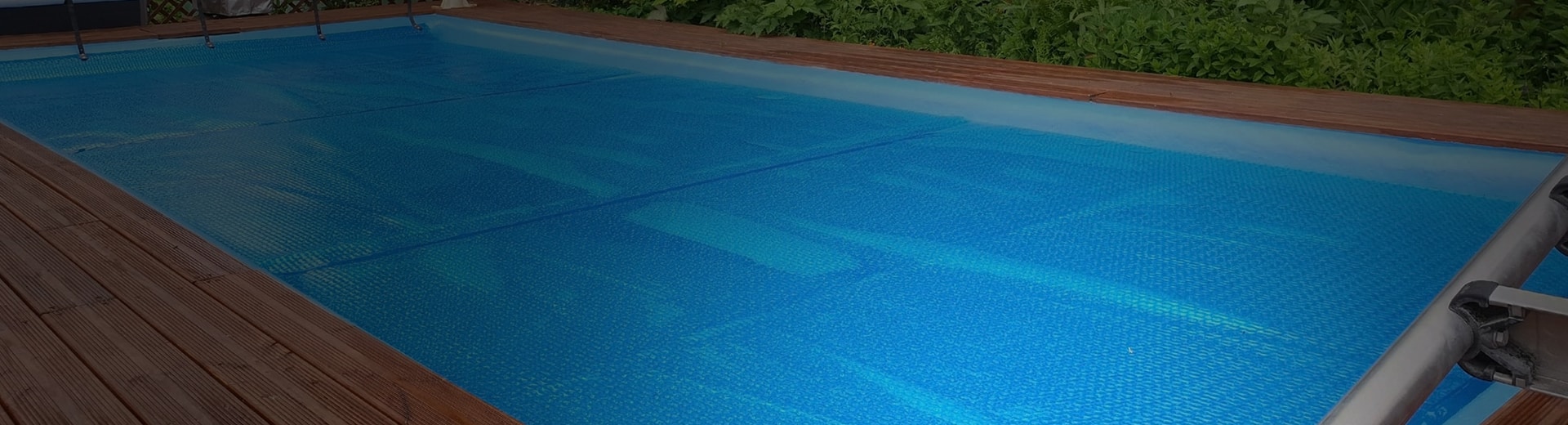
Maintaining a pristine and functional pool requires proactive care and attention to potential repair issues. From leaking pools to faulty equipment and algae growth, understanding common repair issues is essential for ensuring a trouble-free swimming experience.
As the focal point of many outdoor spaces, a pool adds value and enjoyment to residential and commercial properties alike. However, without proper maintenance, even the most well-built pools can develop issues over time. In this blog, we’ll explore the most prevalent pool repair issues and provide valuable insights on how to prevent them through proactive maintenance strategies.
By familiarizing yourself with the common repair issues outlined in this guide and implementing preventive measures, you can safeguard your pool’s integrity and extend its lifespan. From regular inspections to maintaining proper chemical balance and investing in quality equipment, proactive pool care is the key to avoiding costly repairs and ensuring a clean, safe, and enjoyable swimming environment.
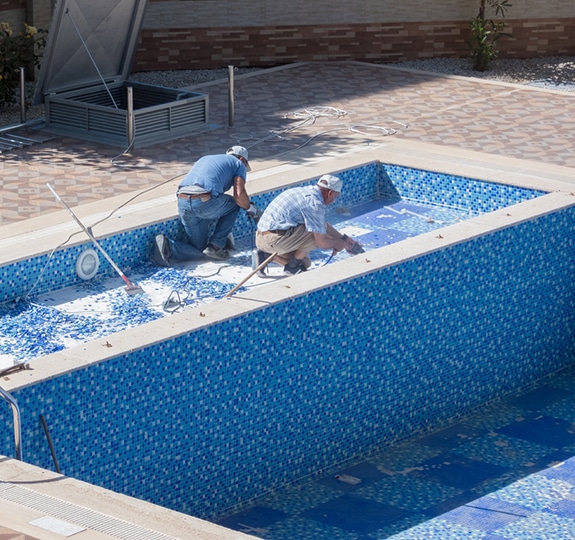
Leaking Pool
Pool leaks can lead to water loss, increased water bills, and potential damage to surrounding structures. Understanding the causes, recognizing warning signs, and implementing preventive measures are crucial for maintaining a leak-free pool.
Causes of Pool Leaks
Common causes of pool leaks include damage to the pool’s structure, deteriorating plumbing fixtures, faulty seals or fittings, and shifting soil. Additionally, age-related wear and tear, harsh weather conditions, and improper installation can contribute to leaks.
Signs to Watch For
Signs of a leaking pool include a noticeable drop in water level, wet spots around the pool or equipment, air bubbles in the return lines, and cracks or gaps in the pool’s surface. Algae growth, excessive chemical usage, and difficulty maintaining proper water balance may also indicate a leak.
Preventive Measures to Avoid Leaks
- To prevent pool leaks, schedule regular inspections to check for signs of damage or deterioration.
- Maintain proper water chemistry to minimize stress on the pool’s structure and equipment. Address any issues promptly, such as repairing cracks or replacing worn-out seals.
- Invest in high-quality materials and professional installation to ensure long-lasting durability.
- Additionally, consider installing a pool cover to protect the pool from environmental factors and reduce water evaporation.
Cracked or Damaged Pool Surface
A cracked or damaged pool surface not only detracts from the pool’s aesthetics but also poses safety risks and may lead to further structural issues. Understanding the reasons behind surface damage, recognizing signs of deterioration, and implementing effective maintenance techniques are essential for preserving the integrity of your pool.
Reasons for Surface Damage
Surface damage can occur due to various factors, including age-related wear and tear, exposure to harsh chemicals, improper water balance, frequent use of abrasive cleaning tools, and impact from sharp objects or heavy debris. Additionally, shifting soil, temperature fluctuations, and inadequate pool construction can contribute to surface cracks and deterioration.
Indications of Cracks or Deterioration
Signs of a cracked or damaged pool surface may include visible cracks, chips, or flaking in the plaster or lining, rough or uneven texture, discoloration, and hollow spots. Pool water may also appear cloudy or discolored due to particles released from the damaged surface.
Tips for Surface Maintenance and Protection
- To maintain and protect the pool surface, regularly inspect for signs of damage and address any issues promptly.
- Avoid using abrasive cleaning tools or harsh chemicals that can accelerate surface deterioration.
- Maintain proper water chemistry to prevent erosion and degradation of the surface material.
- Consider resurfacing the pool when signs of significant damage or wear become apparent to restore its appearance and structural integrity.
- Additionally, install a durable pool cover when the pool is not in use to shield it from environmental elements and minimize exposure to potential hazards.
Faulty Pool Equipment
Faulty pool equipment can disrupt the functionality of your pool and compromise water quality. Recognizing common equipment failures, identifying signs of malfunction, and implementing effective maintenance strategies are essential for ensuring smooth operation and prolonging the lifespan of your pool equipment.
Common Equipment Failures
Pool equipment, such as pumps, filters, and heaters, are prone to various failures over time. Common issues include motor failure in pumps, clogged or damaged filter cartridges, and malfunctioning thermostats or heating elements in heaters. Additionally, wear and tear on seals, valves, and electrical components can lead to leaks or loss of efficiency.
Signs of Equipment Malfunction
Signs of equipment malfunction may include unusual noises, decreased water flow or pressure, erratic temperature fluctuations, and visible leaks or drips. Inefficient operation, such as poor water circulation or inadequate heating, may also indicate underlying issues with the equipment.
Strategies for Equipment Maintenance and Troubleshooting
Regular maintenance is key to preventing equipment failures and ensuring optimal performance.
- Clean or replace filter cartridges regularly to prevent clogs and improve filtration efficiency. Inspect pumps, heaters, and other equipment for signs of wear or damage and schedule professional servicing as needed.
- Follow manufacturer guidelines for proper operation and maintenance, including regular lubrication, calibration, and seasonal adjustments.
- Keep records of maintenance tasks and equipment performance to detect issues early and address them promptly.
- Additionally, familiarize yourself with common troubleshooting techniques and seek professional assistance for complex repairs or replacements when necessary.
Algae Growth
Algae growth in pools is a common issue caused by various factors. Recognizing the contributors to algae growth, identifying warning signs of infestation, and implementing preventive measures are crucial for maintaining a clean and healthy pool environment.
Factors Contributing to Algae Growth
Algae thrive in conditions with sunlight, warm temperatures, and nutrient-rich water. Factors such as inadequate circulation and filtration, imbalanced water chemistry (e.g., low sanitizer levels or high pH), and organic debris accumulation provide favorable conditions for algae proliferation.
Warning Signs of Algae Infestation
Signs of algae infestation include green, brown, or black discoloration on pool surfaces, cloudy or murky water, slippery or slimy pool walls and floors, and unpleasant odors. Algae growth often occurs in areas with poor water circulation or where sanitizer levels are insufficient to inhibit algae growth.
Preventive Measures to Control Algae Proliferation
- To prevent algae growth, maintain proper water chemistry by regularly testing and adjusting sanitizer levels, pH, and alkalinity.
- Ensure adequate circulation and filtration by running the pool pump and filter for a sufficient duration each day.
- Brush pool surfaces regularly to remove algae spores and organic debris. Use algaecides and clarifiers as needed to supplement routine maintenance and inhibit algae growth.
- Additionally, practice proper pool maintenance, such as vacuuming, skimming, and backwashing, to minimize organic matter accumulation and maintain water clarity.
Structural Damage
Structural damage in commercial pools can result from various factors, including age, weather exposure, and poor construction practices. Recognizing the causes of structural deterioration, identifying signs of damage, and implementing protective measures are crucial for preserving the integrity of your pool and avoiding costly repairs.
Causes of Structural Deterioration
Structural deterioration can occur due to prolonged exposure to harsh weather conditions, such as freeze-thaw cycles, UV radiation, and excessive rainfall. Additionally, the natural aging process of pool materials, coupled with poor construction techniques or substandard materials, can contribute to structural weakening over time.
Signs of Structural Damage
Signs of structural damage may include cracks in the pool shell or deck, bulging or bowing walls, sinking or shifting pool floor, and separation between the pool shell and coping. Water loss, uneven settling, and visible rust stains on metal components are also indicative of underlying structural issues.
Protective Measures to Prevent Structural Issues
- To prevent structural damage, ensure proper construction practices and use high-quality materials during pool installation or renovation projects.
- Hire commercial pool repair and replaster services when needed for any kind of minor repairs.
- Implement regular inspections and maintenance routines to detect and address any signs of deterioration promptly.
- Additionally, protect the pool from extreme weather conditions by installing appropriate drainage systems, using durable waterproofing coatings, and providing adequate structural support.
Maintaining a commercial pool requires vigilant attention to potential repair issues to ensure a safe and enjoyable swimming environment. By understanding common problems like structural damage and implementing preventive measures, pool owners can minimize downtime and costly repairs. Regular maintenance, timely repairs, and professional assistance when needed are essential for preserving the integrity and longevity of commercial pools.