Call Us TODAY: (417) 772-3184
Everything You Should Know Before Building a Swimming Pool
Building a swimming pool is a major decision that impacts your property, budget, and long-term maintenance responsibilities. While pools are often associated with relaxation and recreation, successful pool projects rely on thoughtful planning and informed choices long before construction begins. Understanding the key factors involved can help prevent unexpected costs, delays, and design issues.
This guide outlines what property owners should know before moving forward with a swimming pool project.
Assessing Your Goals and Expectations
Before focusing on design or materials, it is important to clarify why you want a swimming pool. Pools serve different purposes depending on lifestyle, space, and intended use.
Common goals include:
- Family recreation and leisure
- Exercise and lap swimming
- Entertainment and social gatherings
- Property enhancement
Defining your priorities helps guide decisions related to size, depth, features, and layout.
Evaluating Property Conditions
Not every property is equally suited for pool construction. A site evaluation identifies factors that may influence feasibility, cost, and design.
Key elements to review include:
- Available space and yard dimensions
- Soil type and stability
- Drainage and groundwater conditions
- Slope and elevation changes
- Accessibility for construction equipment
Understanding site limitations early allows for realistic planning and avoids costly adjustments later.
Understanding Pool Types and Construction Methods
Swimming pools are available in several construction types, each with its own advantages and limitations.
Common pool types include:
- Concrete pools, known for design flexibility
- Fiberglass pools, valued for smooth surfaces and faster installation
- Vinyl-lined pools, offering affordability and design variety
Choosing the right type depends on budget, maintenance expectations, and desired aesthetics.
Design and Layout Planning
Pool design affects usability, safety, and visual appeal. A well-planned layout ensures the pool fits naturally into the surrounding space.
Design considerations include:
- Pool shape and dimensions
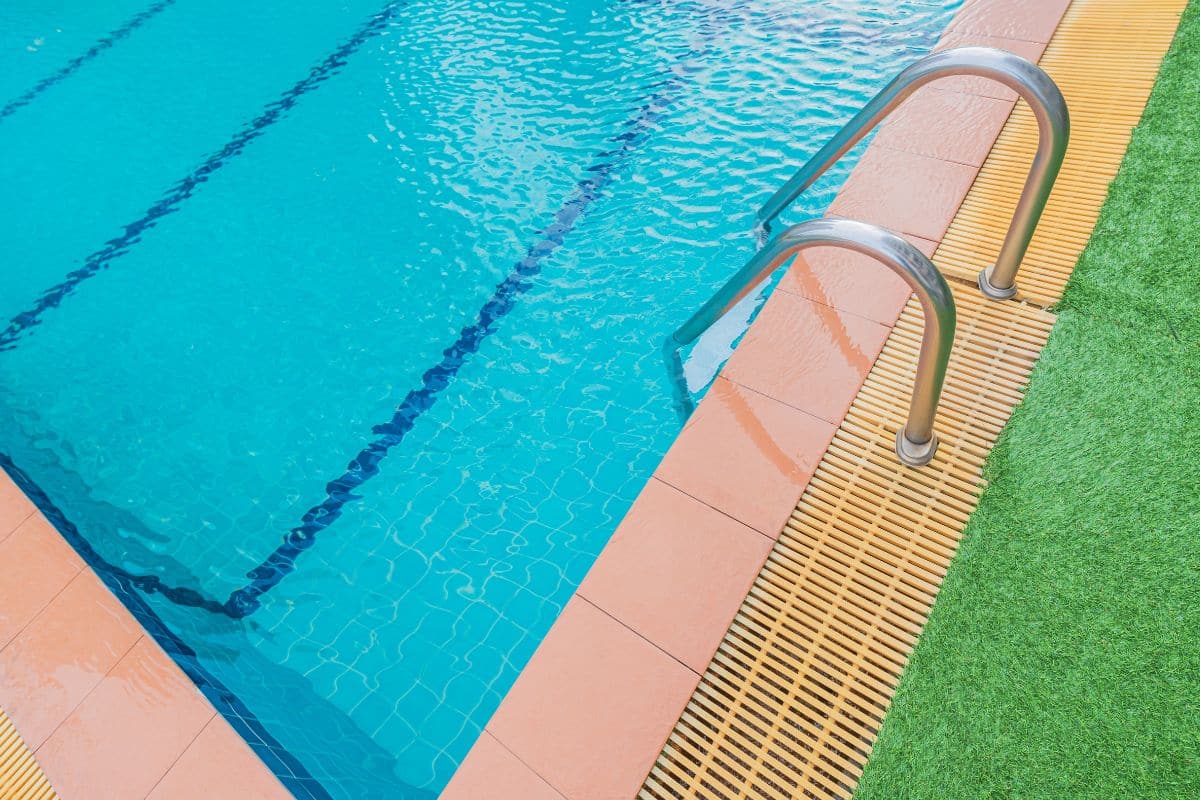
- Entry points such as steps or ladders
- Depth transitions and safety markings
- Decking space for seating and movement
Thoughtful design balances form and function while meeting user needs.
Permits, Regulations, and Safety Standards
Most swimming pool projects require permits and must comply with local regulations. These rules are designed to protect users and surrounding properties.
Typical regulatory requirements involve:
- Fencing and barrier standards
- Electrical and plumbing codes
- Drainage and water management
- Safety features such as alarms or covers
Researching requirements early helps prevent delays and compliance issues.
Budgeting Beyond Construction Costs
The total cost of building a swimming pool extends beyond initial construction. Planning for long-term expenses ensures a sustainable investment.
Costs to consider include:
- Ongoing maintenance and cleaning
- Water and energy usage
- Equipment repairs or replacements
- Seasonal opening and closing
A realistic budget accounts for both short-term and long-term financial commitments.
Selecting Equipment and Pool Systems
Pool performance depends heavily on the quality of its systems. Pumps, filters, and heaters should be selected based on pool size and usage.
Important system components include:
- Circulation and filtration systems
- Heating options
- Lighting and automation
- Water sanitation methods
Efficient systems help maintain water quality and reduce operational costs.
Maintenance and Daily Care Requirements
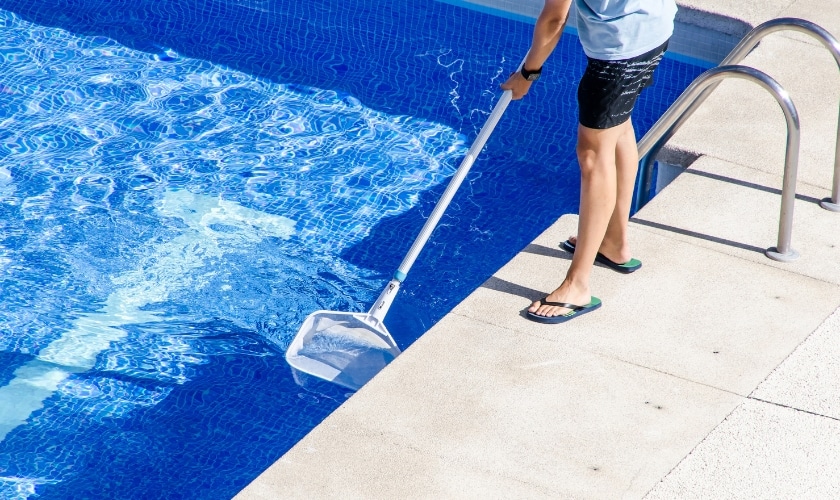
Every pool requires routine care to remain clean and safe. Understanding maintenance responsibilities helps determine whether pool ownership fits your lifestyle.
Maintenance tasks typically involve:
- Monitoring water chemistry
- Cleaning surfaces and filters
- Inspecting equipment
- Seasonal maintenance planning
Pools designed with easy access and durable materials are generally easier to maintain.
Planning for Long-Term Use and Flexibility
A swimming pool is a long-term addition to your property. Planning for future needs ensures the pool remains functional as circumstances change.
Long-term considerations include:
- Adaptability for children or aging users
- Potential upgrades or feature additions
- Resale impact and property value
Forward-thinking design increases the pool’s usefulness over time.
Building a swimming pool involves careful planning, informed decision-making, and a clear understanding of responsibilities. By evaluating property conditions, understanding pool types, planning for maintenance, and budgeting realistically, property owners can approach pool construction with confidence. Preparation is key to creating a swimming pool that remains enjoyable, functional, and sustainable for years to come.
Frequently Asked Questions (FAQs)
How long does it take to build a swimming pool?
Construction timelines vary based on pool type, site conditions, and permitting, but most projects take several weeks to a few months.
Do all pools require permits?
In most areas, swimming pools require permits and inspections to ensure safety and code compliance.
Which pool type requires the least maintenance?
Fiberglass pools are often considered lower maintenance due to their smooth, non-porous surfaces.
Can a pool be built on a sloped yard?
Yes, but additional engineering and grading may be required, which can affect cost and design.
Is pool maintenance expensive?
Costs vary based on pool size, equipment efficiency, and usage, but regular maintenance is an ongoing expense.