Call Us TODAY: (417) 772-3184
How To Find Vinyl Pool Leak
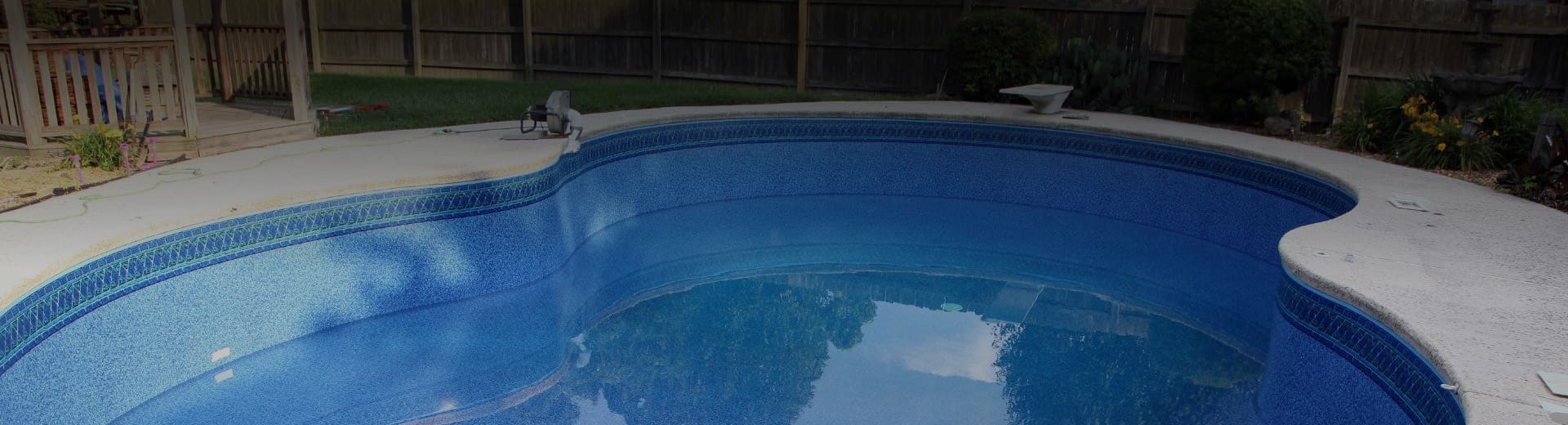
Imagine a serene summer day, the sun casting golden rays upon your backyard oasis and the inviting azure waters of your vinyl pool beckoning you for a refreshing dip. But wait – is that a slight drop in water level? Could it be a leak? The tranquility of your paradise disrupted by the dreaded prospect of a leaky pool can turn any pool owner’s relaxation into a frenzy of worry. Fear not, fellow pool enthusiast! In this guide, we’ll demystify the process of locating leaks in your vinyl pool. So, let’s dive in and uncover the secrets to maintaining a leak-free vinyl pool sanctuary.
Understanding Vinyl Pool Leaks
Vinyl pools are a popular choice for homeowners due to their durability, affordability, and versatility in design. However, like any pool, they are susceptible to leaks caused by various factors such as:
- Age and Wear: Over time, the vinyl liner can degrade, leading to cracks or tears that allow water to escape.
- Punctures: Sharp objects or debris in the pool can puncture the vinyl liner, creating tiny holes that slowly leak water.
- Faulty Seals: Seams, fittings, or skimmer boxes can develop leaks if the seals deteriorate or become damaged.
- Ground Shifts: Changes in soil conditions or ground movement can exert pressure on the pool structure, causing leaks to develop.
Tools of the Trade
Let’s expand upon our list of essential tools:
Pool Leak Detection Kit
This kit serves as the cornerstone of our leak detection efforts, containing an array of specialized tools tailored for pinpointing leaks. Look for kits that include:
- Dye testers: These allow us to visually trace the path of water movement, revealing hidden leaks with precision.
- Pressure testing equipment: Essential for diagnosing leaks in the pool’s plumbing system, helping us identify the source of pressure loss.
- Underwater patching materials: Invaluable for temporarily sealing leaks discovered during inspection, preventing further water loss.
Snorkel and Mask
A trusty snorkel and mask combo transforms us into underwater detectives, enabling close-up inspections of the pool floor and walls. With crystal-clear visibility, we can scour every nook and cranny for telltale signs of leaks.
Marker or Chalk
These simple yet indispensable tools aid in marking the water level during tests and inspections, allowing us to track changes accurately. By noting fluctuations in water levels, we can identify potential leak sites more effectively.
Pool Brush and Vacuum
Before commencing our leak detection efforts, it’s essential to ensure the pool’s surface is clean and free of debris. A thorough brushing and vacuuming session not only enhances visibility but also prevents false alarms caused by floating debris.
Submersible Pump
In cases where the water level needs to be lowered for inspection or repair, a submersible pump proves invaluable. By efficiently draining excess water, we gain better access to the pool’s infrastructure, facilitating thorough examinations and repairs.
Digital Thermometer
While not exclusively for leak detection, a digital thermometer can be a handy tool for identifying temperature differentials that may indicate hidden leaks. Anomalies in water temperature could signify the presence of a leak, prompting further investigation.
Ultrasonic Leak Detector
For more advanced leak detection needs, an ultrasonic leak detector can be a game-changer. This high-tech device uses sound waves to pinpoint leaks, even in hard-to-reach areas or buried plumbing lines, enhancing our detection capabilities significantly.
Detective Work: Finding the Leak
With a methodical approach and keen observation skills, we’ll navigate the waters of leak detection with finesse. Let’s dive deeper into our investigative process, expanding upon our techniques for finding leaks:
Visual Inspection: Begin our quest by conducting a thorough visual inspection of the pool’s surface. Carefully scrutinize the vinyl liner for any visible signs of damage, such as tears, cracks, or wrinkles. Pay close attention to areas around fittings, seams, and corners, as these are common leak hotspots. Additionally, inspect the pool deck and surrounding areas for evidence of water seepage or dampness, which may indicate underground leaks.
Bucket Test: Deploy the time-tested bucket test to gauge the rate of water loss in the pool. Fill a bucket with water and place it on the pool steps or ledge, ensuring it’s fully submerged. Mark the water level inside the bucket and on the pool wall. Also, monitor both levels over a 24-hour period. If the pool loses more water than the bucket, it suggests a leak in the pool structure or plumbing system.
Dye Testing: Employ the power of dye testing to uncover hidden leaks lurking beneath the surface. Add a few drops of leak detection dye or food coloring near suspected leak areas, such as around fittings, skimmers, or seams. Observe closely as the dye disperses, following its path to identify potential leak sites. Keep in mind that leaks may not always be visible on the surface, so be thorough in your examination.
Pressure Testing: For leaks suspected in the pool’s plumbing system, conduct a pressure test to pinpoint the source of the issue. This involves pressurizing the pipes with air or water and monitoring for drops in pressure. This indicates the presence of a leak. Utilize specialized pressure testing equipment from your leak detection kit to accurately diagnose plumbing leaks and plan for necessary repairs.
Underwater Inspection: Equip yourself with a snorkel and mask to delve into the depths of the pool for a closer inspection. Carefully examine the pool floor, walls, and fittings for any signs of damage or leaks. Look out for bubbles escaping from cracks or holes, as well as areas where the vinyl liner appears to be pulling away or sagging. Take note of any suspicious findings for further investigation.
Thermal Imaging: In cases where conventional detection methods prove inconclusive, consider employing thermal imaging technology to detect leaks. Thermal cameras can detect temperature differentials caused by water loss, helping pinpoint hidden leaks behind walls, underground, or within the pool structure itself. While this method may require professional assistance or specialized equipment, it can be invaluable for detecting elusive leaks.
Consulting Professionals: If all else fails or if you’re dealing with a complex leak scenario, don’t hesitate to seek assistance from professional pool leak detection services. These experts have the experience, tools, and expertise to tackle even the most challenging leak detection tasks, ensuring accurate diagnosis and timely resolution of issues.
Congratulations! Armed with our newfound knowledge and leak-detection prowess, we’ve successfully unraveled the mystery of vinyl pool leaks. By understanding the common causes of leaks, employing the right tools, and conducting thorough inspections, we can ensure our vinyl pools remain pristine and leak-free havens for relaxation and enjoyment. Remember, regular maintenance and vigilant monitoring are key to preserving the integrity of your vinyl pool and preventing leaks from spoiling your aquatic paradise. So, dive in, stay proactive, and enjoy countless hours of carefree fun in your leak-free vinyl pool oasis. Happy swimming!