Call Us TODAY: (417) 772-3184
5 Signs Your Springfield Swimming Pool Needs Immediate Replastering Before Leaks Start
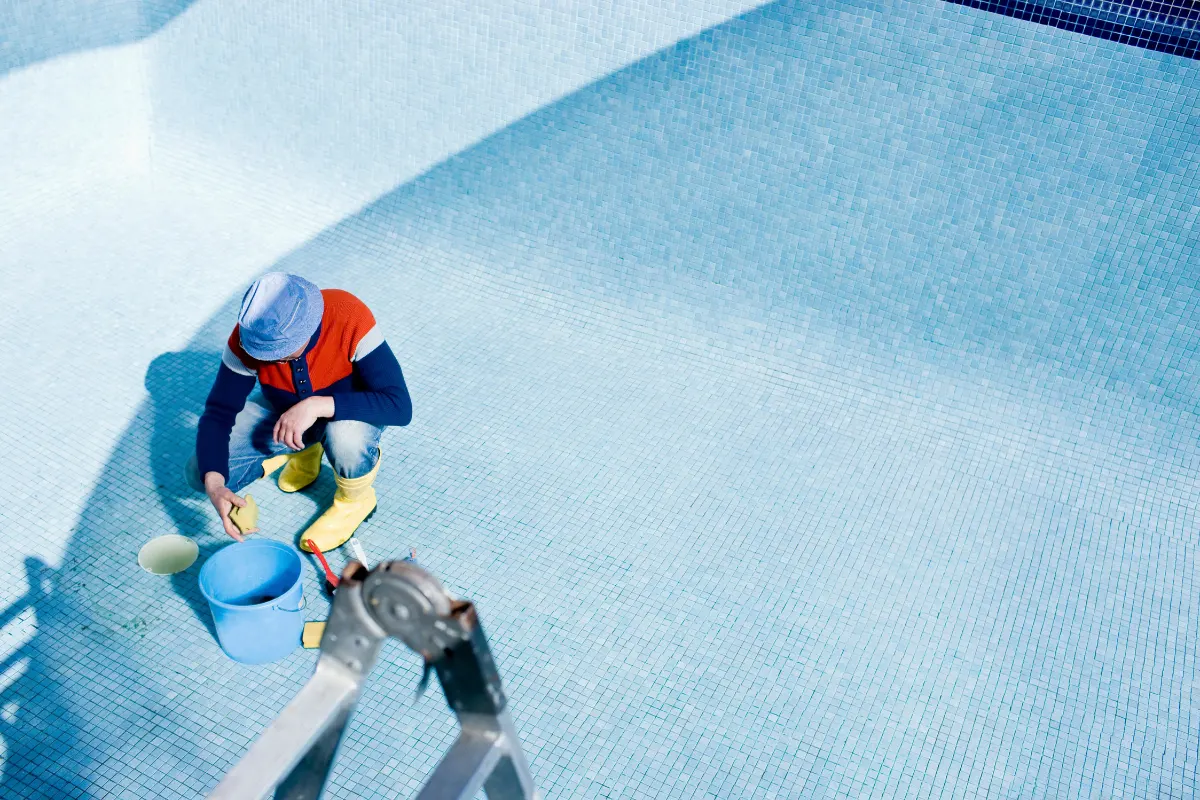
There is nothing quite like stepping into a crystal-clear, refreshing swimming pool on a warm Missouri summer afternoon. An in-ground pool is the centerpiece of outdoor living, a place where family memories are made, weekend barbecues come alive, and quiet evening cool-downs take place. However, behind that inviting turquoise water lies a structural barrier working hard to keep your pool watertight, durable, and safe: your pool plaster.
For property owners across Springfield, St. Louis, and surrounding communities, plaster serves as the vital seal separating pool water from the concrete shell underneath. But pool surfaces do not last forever. On average, standard pool plaster requires professional resurfacing every 7 to 10 years after installation, while aggregate finishes typically last between 10 and 15 years.
Over time, water chemistry, seasonal shifts, and daily use inevitably wear down the surface. When deterioration sets in, it isn’t just a cosmetic issue. Neglecting worn plaster can quickly lead to structural leaks, damaged gunite, and thousands of dollars in emergency foundation repairs. Detecting the early warning signs allows you to restore your pool’s beauty while protecting your investment.
If you suspect your pool surface is starting to age, here are the top five signs your pool needs immediate replastering before major leaks develop.
1. The Pool Surface Feels Rough, Abrasive, or Coarse to the Touch
Have you or your guests started getting scraped toes, snagged swimsuits, or sore feet after swimming? A rough, sandpaper-like texture along the floor or walls of your pool is one of the earliest signs that your plaster is reaching the end of its lifespan.
When freshly applied, pool plaster creates a smooth, comfortable, protective seal. Over time, continuous exposure to water chemicals, balancing fluctuations, and local environmental factors erode this smooth finish. In Springfield and neighboring regions, hard water is common. High mineral levels in municipal and well water speed up chemical erosion, stripping away the outer cream coat of the plaster and exposing the coarser aggregate underneath.
Beyond physical discomfort, a rough surface creates microscopic pockets where algae, bacteria, and mineral deposits can easily anchor. This makes your pool significantly harder to keep clean, forcing you to use more chemicals. Once the plaster feels rough to the touch, its protective seal is compromised, leaving the deeper layers exposed to ongoing decay.
2. Stubborn Stains and Discoloration That Won’t Scrub Away
Occasional surface stains from autumn leaves or organic debris are normal and usually easy to clean. However, persistent discoloration that resists brushing, chemical treatments, and professional acid washes points to a deeper issue within the plaster itself.
Permanent pool staining usually happens for two reasons:
- Deep Mineral Scale & Metal Deposits: Copper, iron, and calcium in hard water penetrate the porous layers of aging plaster, leaving unsightly gray, rusty brown, or green-blue blotches.
- Chemical Stripping: Fluctuating pH levels gradually wear down the plaster finish, exposing darker concrete layers beneath.
When stains become permanently embedded, it means the plaster has lost its waterproof density and is behaving like a sponge. Professional replastering removes this deteriorated layer and replaces it with a fresh, vibrant, stain-resistant finish that makes your pool look brand new.
3. Chipping, Flaking, or Peeling (Delamination)
If you start finding small plaster chips, concrete flakes, or coarse debris in your pool skimmer baskets or automatic cleaner, your pool is experiencing delamination. This is a critical surface failure that demands prompt professional attention.
Delamination occurs when the top plaster layer loses its bond with the concrete shell underneath. Water penetrates between the layers, causing sections of plaster to lift, crack, or pop off completely.
In Missouri, our drastic freeze-thaw cycles worsen this problem. Water trapped behind compromised plaster freezes and expands during winter, causing large sections of plaster to break away.
Common indicators of surface delamination include:
- Peeling or Spalling: Thin layers of plaster peeling off near steps, benches, or shallow end floors.
- Plaster Pop-Outs: Crater-like pits on the walls that reveal the rough gray concrete underneath.
- Hollow Spots: Areas where the plaster looks intact but sounds hollow when tapped underwater.
Once delamination begins, the rate of deterioration accelerates. Exposed concrete absorbs pool water directly, setting the stage for structural leaks and foundation issues.
4. Cracks and Crazing Spreading Across the Pool Walls or Floor
Not all plaster cracks look the same, but none should be ignored. Cracks on your pool’s surface generally fall into two categories: superficial hairline checking (crazing) and deep structural fractures.
Crazing appears as a fine web of tiny hairline cracks across the plaster. While initial crazing might seem minor, these fine lines allow water to seep beneath the surface, gradually weakening the plaster bond over time.
Structural Cracks are wider, deeper fissures that pass through both the plaster and the underlying concrete shell.
Missouri’s soil conditions, combined with severe winter freezing, exert ongoing hydrostatic pressure on concrete pools. When the plaster layer is cracked, it no longer provides a watertight seal. Water seeping through structural cracks can wash out surrounding soil, damage pool decks, and cause subterranean settlement.
If you notice spreading cracks in your pool basin, scheduling an inspection with a professional specializing in pool repair and replastering in Springfield is critical to fixing the issue before expensive structural damage occurs.
5. Unexplained Water Loss and Hidden Leaks
Every outdoor pool loses a small amount of water to natural evaporation and summer splashing, typically about a quarter-inch per day during warm weather. However, if you find yourself constantly filling the pool with a hose or noticing a sharp rise in your water bill, your pool may have an active leak.
Failing plaster is one of the most common causes of hidden leaks. As plaster thins, cracks, and chips away, water penetrates the porous concrete shell and escapes into the surrounding ground.
Leaving pool leaks unchecked can cause serious property damage:
- Soil Erosion & Washout: Escaping water washes away supporting soil underneath pool decks, causing concrete slabs, pavers, and coping to crack or sink.
- Structural Shell Shifting: Saturated ground alters hydrostatic pressure, which can shift or crack the entire pool shell.
- Equipment Wear: Automatic fill valves and filtration pumps run constantly to make up for lost water, leading to higher electric bills and premature pump failure.
A fresh coat of high-grade plaster seals microscopic cracks, restores your pool’s watertight integrity, and protects your entire backyard setup.
What to Look for in a Local Pool Resurfacing Specialist
Renovating an in-ground pool requires technical precision, detailed surface preparation, and experienced application. When hiring a contractor across Springfield, Ozark, Nixa, Republic, or neighboring communities, look for these key service standards:
- Regional Climate Knowledge: The contractor should understand Missouri’s hard water challenges, local soil conditions, and winter freeze-thaw dynamics so your new surface stands the test of time.
- Comprehensive Restoration: A full-service builder should manage everything seamlessly under one roof, from leak detection and structural gunite repair to plaster chipping, tile updates, and coping repairs.
- Thorough Prep Work: Lasting plaster depends on proper preparation. Dependable crews drain the pool safely, acid-wash the substrate, remove hollow spots, and apply specialized bond coats to guarantee flawless finish adhesion.
- Transparent Service: Look for contractors offering clear consultations, direct pricing, and proven track records in local residential and commercial pool renovations.
Addressing small surface defects early helps keep your pool watertight, safe, and stunning for seasons to come, and consulting an expert in local pool repair and replastering in Springfield like ours at Imber Pool & Outdoor is the best way to protect your backyard investment.
Protect Your Pool Investment Today
Don’t wait for minor surface rough spots or hairline cracks to turn into costly structural leaks. Taking care of your plaster today protects your pool shell, saves on water and chemical expenses, and keeps your pool looking its best.
If your pool is showing any of these five warning signs, reach out to trusted local specialists to schedule a surface inspection and discuss your resurfacing options. Contact Imber Pool & Outdoor today to request your detailed estimate!
Frequently Asked Questions
1. How often does a swimming pool need to be replastered?
Standard white pool plaster typically lasts between 7 to 10 years. High-end aggregate finishes (such as quartz or pebble) are more durable and generally last 10 to 15+ years. However, factors like local hard water, heavy pool usage, and improper chemical balancing can shorten your plaster’s lifespan.
2. Can you plaster over existing pool plaster, or does it have to be removed?
While a bond coat can sometimes be applied over old plaster if it is in good structural shape, damaged, chipping, or hollow plaster must be chipped out and stripped back. Applying new plaster over crumbling layers leads to premature delamination and early surface failure. Proper surface prep is essential for a long-lasting finish.
3. Will hard water in Springfield damage my new pool plaster?
Yes, high mineral levels and calcium content in regional water can cause rapid scale buildup or chemical etching if left unmanaged. To protect fresh plaster, you should test water chemistry weekly, maintain balanced pH and alkalinity levels, and use a sequestering agent during the initial pool refill to prevent mineral staining.
4. What is the difference between standard white plaster and aggregate pebble finishes?
Standard plaster is an economical, smooth mixture of white cement and marble dust that provides a classic look. Aggregate finishes blend plaster with natural quartz, glass beads, or river pebbles. While aggregate finishes cost more upfront, they offer superior chemical resistance, hide minor water stains better, and last up to 5 years longer than standard plaster.