Call Us TODAY: (417) 772-3184
Know the Signs: 6 Indicators Your Pool May Have a Leak
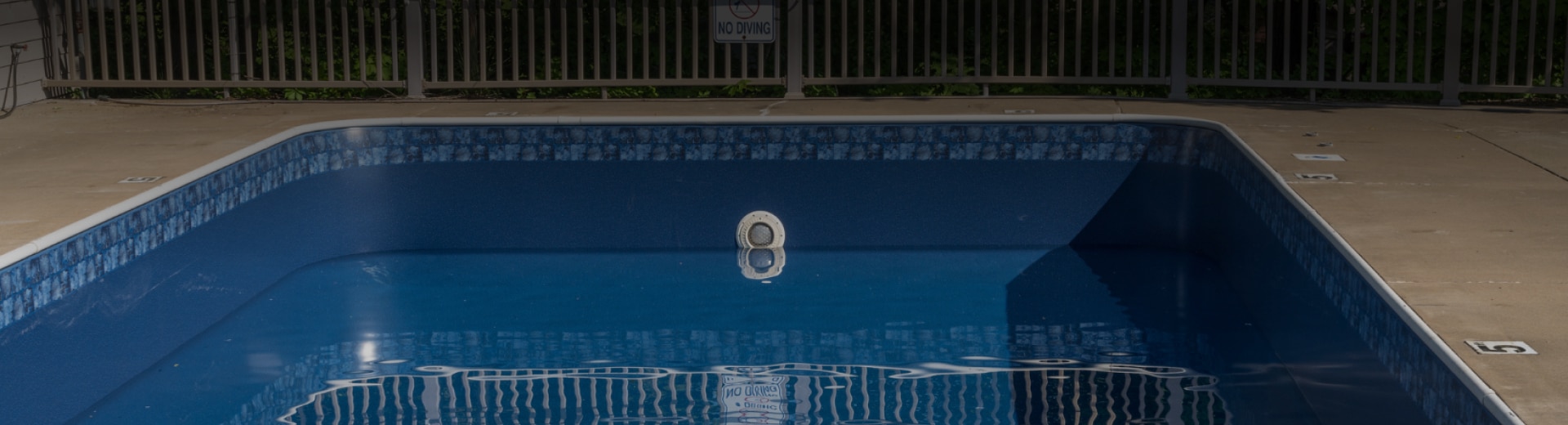
Owning a pool is a source of joy and relaxation, providing a refreshing escape during hot summer days. However, maintaining a pool comes with its challenges, and one of the most troublesome issues can be a hidden leak. A leaking pool not only leads to water wastage but can also cause damage to the surrounding area and increase maintenance costs. To protect your aquatic haven, it’s crucial to be aware of the signs that may point to a leak beneath the surface. In this guide, we’ll delve into six key indicators that could suggest your pool is silently losing water. Knowing these signs early on can make the difference between a minor repair and a major restoration project.
Signs You Have A Pool Leak
Changes in Water Level
A diminishing water level is the most evident indicator of a potential leak in a pool. However, it is crucial to differentiate between water loss due to natural evaporation and a leakage issue. The rate of evaporation is influenced by various factors, such as:
- Wind
- Air & water temperature
- Humidity
If the water loss exceeds this calculated amount, it signifies a probable leak in the pool.
Cracks or Displaced Tiles
Excess water in the vicinity, causing instability in the ground, can lead to the occurrence of cracks and movement in tiles when a pool is experiencing a leak. As the pool settles further into the softened ground, cracks or gaps may emerge in the bond beam.
Moist Areas in the Yard
The presence of soft, mushy spots or irregular grass growth surrounding the pool area may be indicative of a plumbing leak. Erosion resulting from underground water movement can cause shifts and sinking in the landscaping.
Elevated Water Bills
Leaks can be concealed by automatic fill devices that maintain the pool’s water level. If you observe the continuous operation of the autofill or notice an increase in water bills, it is imperative to initiate an investigation for potential leaks.
Water Accumulation around the Equipment
The presence of standing water or corrosion around the pump or pipes serves as a clear indication of a leak. Often, equipment leaks can be identified through a simple visual inspection.
Air or Debris into the Pool
The plumbing system may draw in air or debris through a leak. It eventually results in the noticeable introduction of air or dirt into the pool through the return outlets. This occurrence may also produce mysterious gurgling sounds.
Algae Growth
Frequent addition of untreated water to a leaking pool can lead to irregular chemical consumption and the growth of algae or discoloration. Instead of continuously treating the water, identifying and repairing the leak may offer a more effective solution.
Fluctuating Chemical Levels
When testing your pool water for chlorine, calcium, and other chemicals, it is expected that their levels will remain relatively stable from one day to the next. However, such situations require minor adjustments. A sudden and unexplained drop in these levels could indicate a potential leak. Leaking water carries dissolved chemicals out of the pool, compelling you to add more than usual to compensate for this loss.
What To Do?
Locate and Assess the Leak
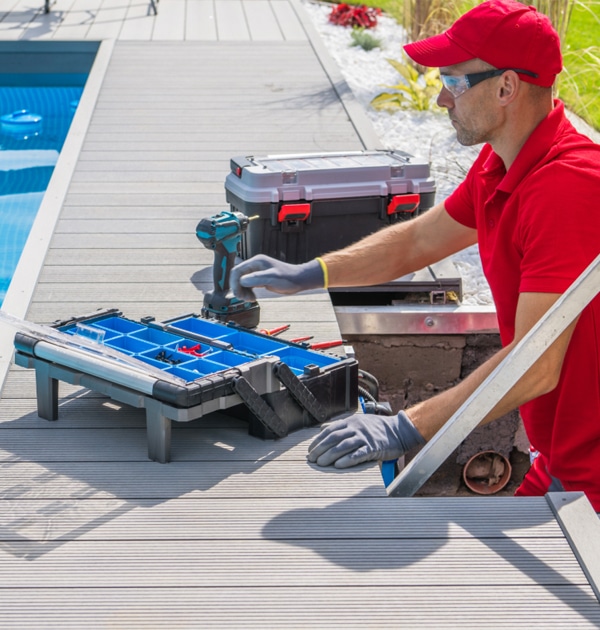
The first step in dealing with a pool leak is to identify its precise location. Conduct a thorough visual inspection of the pool, looking for any cracks, tears, or abnormalities. Additionally, use a dye test to pinpoint areas where water may be escaping. Once you’ve located the leak, assess its severity to determine the appropriate course of action.
Repair Small Cracks and Tears
For minor leaks, repairing the damage promptly can prevent the issue from escalating. Use a pool patch kit or underwater epoxy to seal small cracks or tears. Clean the affected area thoroughly, apply the repair material as per the instructions, and allow it to cure. This quick intervention can often resolve minor leaks without the need for professional assistance.
Consult a Professional for Major Repairs
If the leak is substantial or if you’re unable to locate it yourself, it’s advisable to seek professional help. Pool technicians specialize in identifying and repairing leaks efficiently. They employ advanced techniques such as pressure testing and electronic leak detection to pinpoint hidden issues. Addressing major leaks promptly can prevent further damage and ensure the longevity of your pool.
Consider Installing a Leak Detection System
Investing in a leak detection system adds an extra layer of protection to your pool. These systems use sensors to monitor water levels and alert you to any abnormal drops. Also, it helps you identify leaks in their early stages. Some advanced systems can even automatically shut off the water supply when a leak is detected, minimizing potential damage.
As guardians of our private aquatic retreats, recognizing the signs of a potential pool leak is paramount. From subtle water level changes to unexplained pool deck dampness, understanding these indicators can save you from the headaches and expenses associated with undetected leaks. Regular monitoring and prompt action can help preserve the integrity of your pool. As a result, it ensures it remains a source of joy and relaxation for years to come. By staying vigilant and addressing issues swiftly, you can enjoy your pool worry-free, basking in the sun without concerns about hidden leaks lurking beneath the surface.