Call Us TODAY: (417) 772-3184
Small Backyard? How Pool Installers Design Inground Pools for Limited Spaces
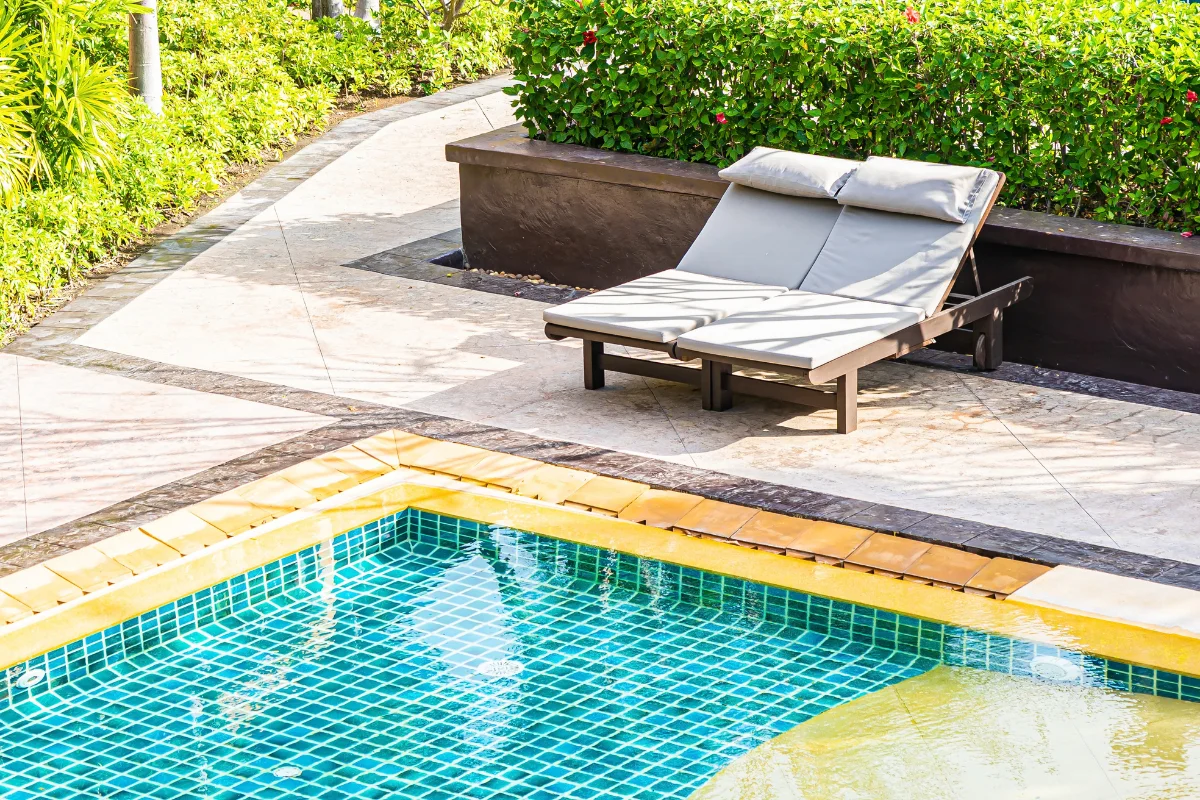
A smaller backyard does not automatically rule out an inground swimming pool. In fact, limited outdoor space can lead to a more purposeful design when every square foot is carefully considered.
The key is designing the pool around the property rather than trying to squeeze a standard layout into an unsuitable yard. Imber Pool & Outdoor in Kansas City helps homeowners evaluate their available space and develop designs that complement how they want to use their backyard.
For homeowners comparing pool installers in Kansas City, understanding the design process can make planning much easier. A thoughtful pool installation considers property dimensions, setbacks, access, circulation space, pool shape, features, and the surrounding outdoor area before construction begins.
Can You Put an Inground Pool in a Small Backyard?
Yes, many compact backyards can accommodate an in-ground pool. However, the usable area matters more than the yard’s total square footage.
Property lines, the home’s footprint, easements, utilities, slopes, drainage, fencing, and local requirements can reduce the actual buildable area. The pool also needs enough surrounding space for safe movement and practical use.
That is why the first stage of the pool installation process should involve evaluating the entire property.
In Kansas City, Missouri, residential pools generally must be located in a side or rear yard and maintain at least a 10-foot setback from side property lines. Easements and recorded building lines may create additional restrictions. These requirements make site-specific planning particularly important for smaller properties.
How Do Pool Installers Make the Most of Limited Backyard Space?
1. Start With the Buildable Area
Before discussing waterfalls, tanning ledges, or finishes, installers need to understand where a pool can physically and legally fit.
A site evaluation may consider:
- Property boundaries and setbacks
- Existing patios and structures
- Utility locations
- Easements
- Yard slope and drainage
- Equipment placement
- Construction access
- Required barriers
- Space between the pool and house
This information establishes the realistic footprint for the pool installation.
It can also prevent homeowners from becoming attached to a design that does not work with their property.
2. Choose a Shape That Uses Space Efficiently
Large freeform pools can consume valuable backyard area. Compact yards often benefit from simpler shapes.
Rectangular pools are particularly useful because their clean geometry fits efficiently alongside patios, homes, and property boundaries. Narrow pools may also work for homeowners who primarily want swimming or exercise.
A small plunge-style design is another possibility when relaxation matters more than having a large swimming area.
Custom construction can provide additional flexibility. Gunite pools, for example, are built on-site and can be designed in different shapes, sizes, and depths rather than being limited to a premanufactured shell.
3. Design Around How the Pool Will Be Used
Small pools should not simply be scaled-down versions of large pools. Their dimensions and features should reflect the homeowner’s priorities.
Ask what you actually want to do in the water.
Do you want a place to cool off with your children? Are you mainly interested in lounging? Would you rather have a longer, narrower swimming area? Do you regularly entertain friends?
These answers influence the pool installation plan far more than size alone.
A family-focused design may prioritize steps and shallow areas. A relaxation-focused pool might include built-in seating. Someone interested in exercise may prefer a simple elongated layout.
4. Build Features Into the Pool Instead of Around It
In a compact backyard, every feature takes up valuable room. Integrating amenities directly into the pool can help preserve surrounding space.
Options may include built-in benches, corner steps, compact tanning ledges, integrated lighting, or a connected spa where the site allows.
This is where working with pool installers in Kansas City who approach the yard as a single, cohesive space becomes important.
Imber Pool & Outdoor – Kansas City provides design-build services and creates customized in-ground pools and outdoor living spaces. A coordinated design can balance the water area with decking, landscaping, entertainment areas, and other backyard features.
5. Keep the Pool Deck Functional
A smaller pool does not need an oversized deck. Instead, decking can be concentrated where people will actually walk, sit, or enter the water. Wider areas can be reserved for seating, while less-used sides can have a more compact transition.
This approach can make the entire pool installation feel proportionate rather than crowded.
It also helps preserve space for grass, landscaping, grilling, or other outdoor features that matter to the household.
6. Think Carefully About Pool Equipment
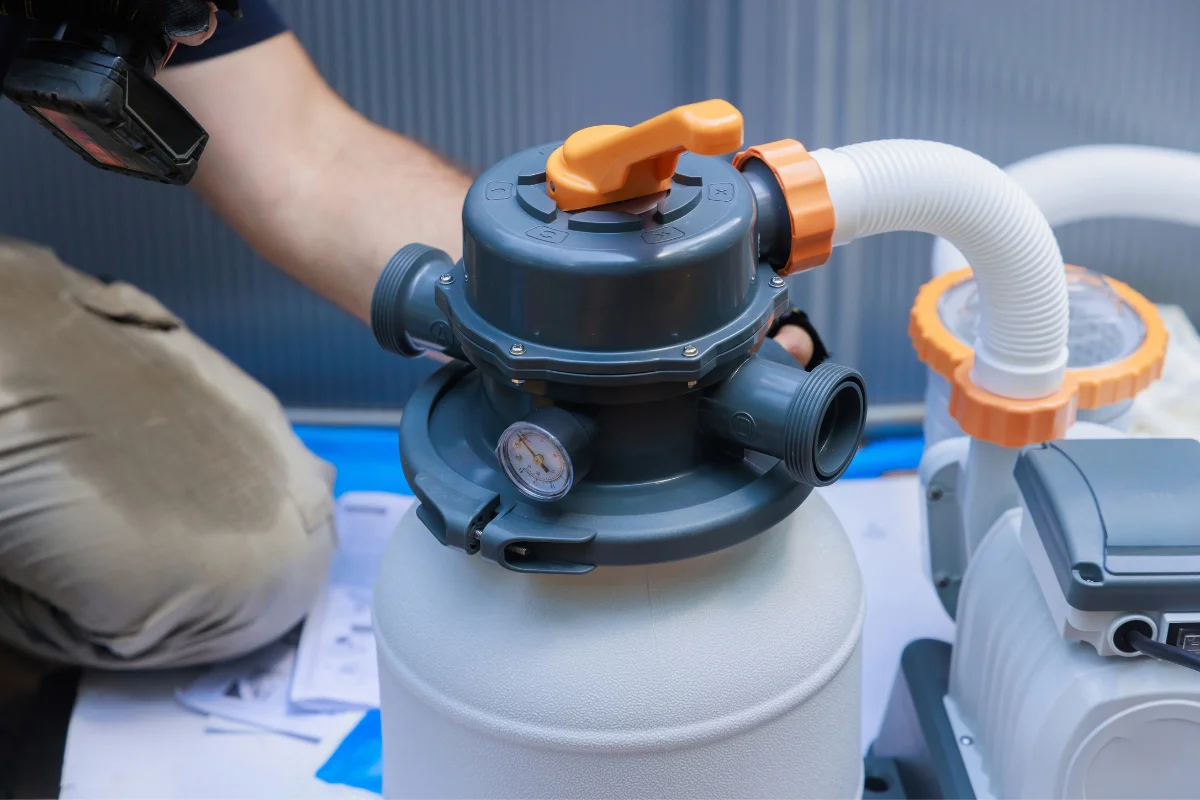
Pumps, filters, heaters, and other equipment need an appropriate location. On a large property, finding that space may be straightforward. On a compact lot, equipment placement becomes part of the initial design.
The goal is to provide appropriate access without allowing equipment to dominate the outdoor space.
Strategic positioning may also make it easier to visually screen equipment from primary seating and entertaining areas.
7. Use Visual Design to Make the Backyard Feel Larger
Physical dimensions cannot change, but thoughtful design can influence how spacious the finished yard feels.
Clean lines, consistent materials, uncluttered decking, restrained landscaping, and coordinated finishes can create visual continuity.
It can also help to avoid adding too many competing features. A small yard containing a pool, oversized patio, large water feature, outdoor kitchen, fire feature, and dense landscaping can quickly feel crowded.
Choose the features you will genuinely use. A simpler pool installation often creates a more comfortable small backyard.
Why Custom Planning Matters More in a Small Yard
With limited space, small design decisions have larger consequences.
Moving a pool several feet can affect walking areas. An oversized tanning ledge can reduce swimming room. Poor equipment placement can consume useful yard space. Ignoring drainage or access early can complicate construction.
An experienced design-build team evaluates these relationships before excavation begins.
When speaking with pool installers in Kansas City, bring a clear list of priorities. Separate your must-have features from optional ideas. That gives the designer room to develop a layout that works within the site’s actual constraints.
Turn a Compact Backyard Into a Place You Will Use
A small backyard can still become a comfortable place for swimming, relaxing, and spending time outdoors. Success depends less on maximizing pool size and more on using the available property intelligently.
If you are considering pool installation for a limited-space property, Imber Pool & Outdoor can help evaluate your yard and explore a design suited to your goals. Contact the team to discuss your property, preferred features, and options for creating an in-ground pool that makes purposeful use of your backyard.
Frequently Asked Question
What pool shape works well in a small backyard?
Rectangular, narrow geometric, and compact custom designs can use limited space efficiently. The right shape depends on the home’s position, property boundaries, available yard dimensions, and how you intend to use the pool.
Can Imber Pool & Outdoor – Kansas City design a pool for an unusually shaped yard?
Yes. The company offers custom pool and outdoor design services. The team can evaluate the property’s layout and develop options around available space, site conditions, and the homeowner’s priorities.
Does a small backyard automatically mean I need a very shallow pool?
No. Backyard size and pool depth are separate design considerations. Depth should reflect the intended use, dimensions, safety considerations, and overall design, rather than yard size alone.
Can Imber Pool & Outdoor – Kansas City help with the planning process?
Yes. The company operates as a full-service design-build contractor and can help homeowners develop a coordinated plan for the pool and surrounding outdoor area.
Are permits and setbacks important for small pools in Kansas City?
Yes. Smaller properties can be especially affected by setbacks, easements, barriers, utility locations, and other requirements because there is less usable space. These factors should be reviewed early in the pool installation project.
Can I still include features if my backyard is small?
Potentially. Built-in seating, steps, lighting, tanning areas, and other elements can be considered according to available space. Imber Pool & Outdoor – Kansas City can help determine which features fit without making the design feel overcrowded.
Should I choose the smallest pool possible for a limited backyard?
Not necessarily. The objective is to find balanced proportions. The pool should provide enough usable water space while leaving appropriate room for access, decking, equipment, barriers, and other outdoor activities.