Call Us TODAY: (417) 772-3184
Swimming Pool Installers in St. Louis, MO: Custom Inground Pools from Design to Completion
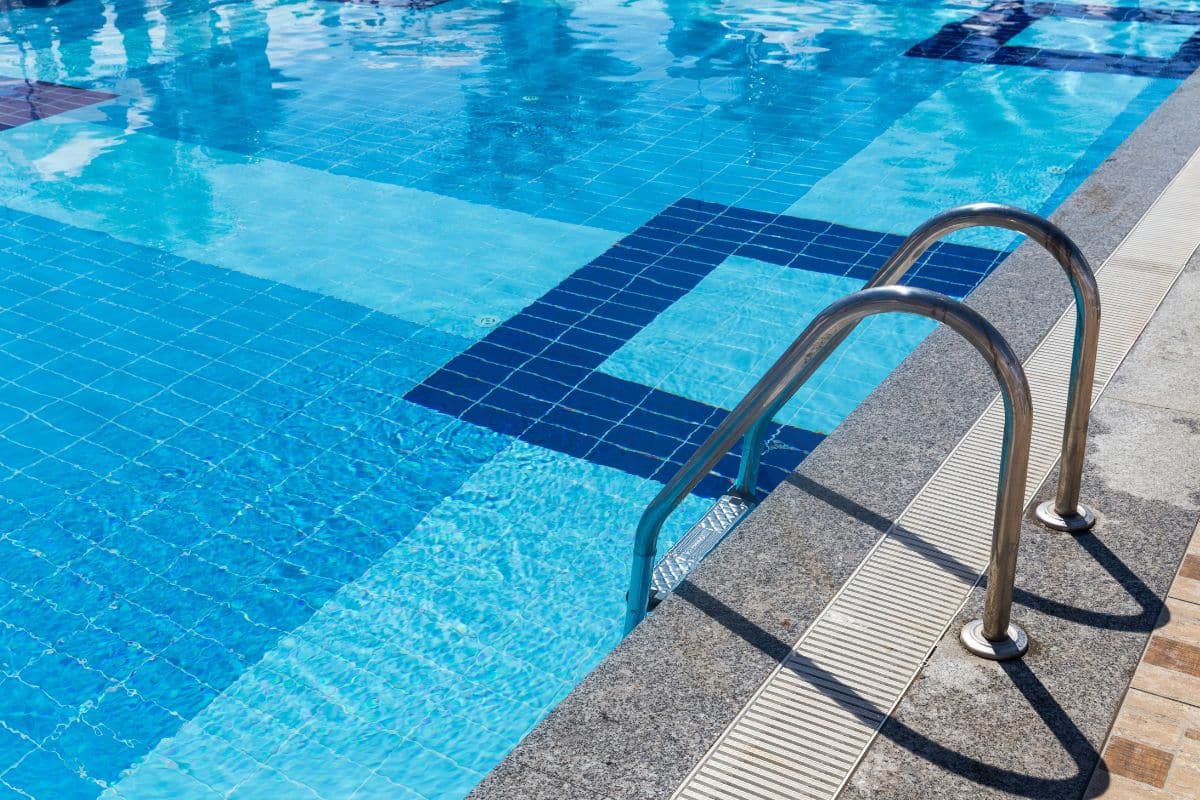
Transforming a backyard into a private oasis is more than just a home improvement project; it is an investment in your lifestyle and your property’s long-term value. For homeowners who have spent time imagining summer evenings spent poolside or weekend gatherings in a professionally landscaped retreat, the bridge between that vision and reality lies in selecting the right team.
As proficient swimming pool installers in St. Louis, professionals at Imber Pool & Outdoor understand that a successful project requires a seamless journey from the initial design concept to the final splash.
A custom inground pool is a complex undertaking that demands precision, engineering expertise, and a clear understanding of the local landscape. Whether you are envisioning a sleek, modern rectangle for laps, a freeform retreat that mimics a natural lagoon, or a compact plunge pool to maximize a smaller backyard, the process should be defined by transparency and professional guidance.
The Foundation: Designing Your Backyard Vision
The most critical phase of pool installation happens before a single shovel hits the dirt: the design phase. A professional design-build firm does not simply drop a pre-fabricated shell into the ground; they evaluate your specific property to ensure form meets function.
During the consultation, design experts consider several variables:
- Topography and Soil Conditions: Understanding the lay of the land is essential for proper drainage and structural integrity.
- Flow and Traffic: How will you move from your home to the pool area? A well-designed space integrates the pool with your existing outdoor living features, such as patios, decks, and kitchens.
- Aesthetic Harmony: The pool should complement the architecture of your home. Whether your taste is traditional, contemporary, or minimalist, the materials and shape should feel like a natural extension of your property.
When you work with a team that handles the entire project from design to completion, you avoid the common pitfalls of disjointed project management. Unified planning ensures that your plumbing, electrical, and structural components are engineered to work together perfectly from day one.
Material Selection: Choosing the Right Surface
Customization is the hallmark of a luxury backyard. Depending on your needs, maintenance preferences, and aesthetic goals, the material you choose for your pool shell will dictate the look and longevity of your investment.
Gunite
For those seeking true freedom in design, gunite is the gold standard. Because it is sprayed onto a steel rebar framework, gunite allows for almost any shape, depth, or custom feature, such as tanning ledges, built-in seating, or integrated spas. It is durable and highly customizable.
Fiberglass
If your priority is low maintenance and a fast installation timeline, fiberglass is often the preferred choice. These pre-molded shells offer a smooth, non-porous surface that inhibits algae growth and requires fewer chemicals, allowing you to spend more time enjoying the water and less time balancing chemistry levels.
Vinyl Liner
Vinyl pools remain a popular and cost-effective option for many homeowners. They offer a great deal of flexibility in terms of shape and are gentle on the feet. Modern vinyl technology has significantly improved the durability and aesthetic appeal of these pools, making them a fantastic option for families.
Plunge Pools
For urban backyards or homeowners who prefer a smaller footprint, plunge pools are becoming a top trend. They provide all the benefits of a custom pool, cooling off, aesthetic appeal, and entertainment, without requiring a vast amount of space.
The Construction Process: Expectation vs. Reality
One of the most significant concerns for homeowners embarking on a pool installation is the disruption the process can cause. A professional contractor prioritizes clear communication and project management. When you choose an efficient team, you receive a roadmap of what to expect.
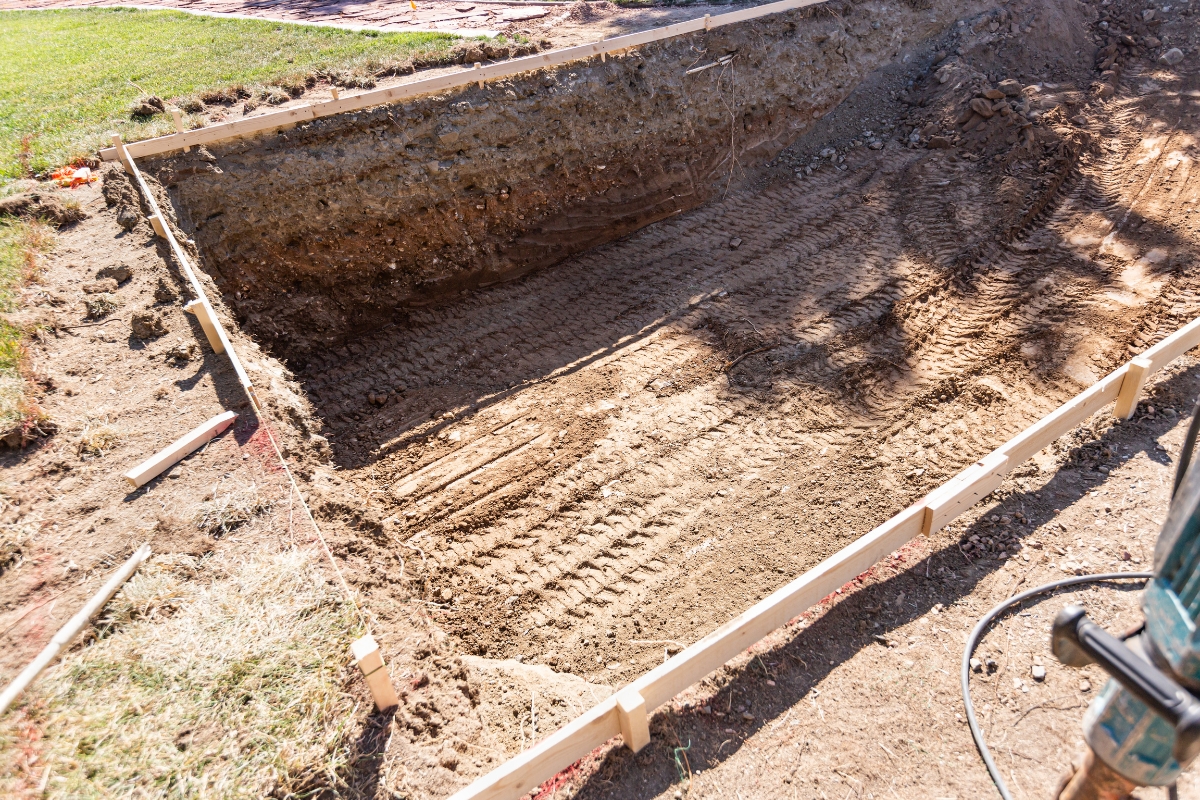
From excavation to plumbing, steel reinforcement, and the final finish, every step of the build must be documented and supervised. The best contractors ensure that permits are handled, inspections are passed, and site safety is maintained throughout the construction duration. By integrating elements such as water features, fire pits, and lighting during this phase, you can ensure your backyard transformation is completed into a cohesive, functional outdoor living space.
Why Local Expertise Matters
Your backyard is unique to your specific corner of the city. Whether you are dealing with specific soil types common to the area or trying to navigate local regulations, an installer with deep experience in the local community is invaluable. Local installers are familiar with the climate’s subtleties, ensuring your equipment is tailored for local temperature changes and that your landscaping remains environmentally sustainable for the area.
From Pool Design to Installation, Let’s Get Started!
Your vision for a custom inground pool is within reach. By focusing on quality design, expert construction, and a personalized approach to your unique space, you can create an environment that enhances your lifestyle for years to come. Don’t settle for a generic solution when you can have a custom-tailored backyard retreat.
Ready to start planning your custom inground pool? Contact us today for a complimentary estimate and let our experts guide you from initial design to the perfect finished project.
Frequently Asked Questions
How long does the pool installation process typically take?
The timeline varies based on the complexity of the design, permit approvals, and weather conditions. Generally, a comprehensive inground pool project can take anywhere from 8 to 16 weeks from the design approval phase to the final finish.
What is the difference between a pool builder and a design-build contractor?
A pool builder focuses primarily on the shell and water aspects. A design-build contractor manages the entire scope, including the pool, surrounding hardscaping, outdoor lighting, and integration with other backyard features, providing a single point of contact for the entire transformation.
Which pool type is the easiest to maintain?
Fiberglass pools are generally considered the easiest to maintain due to their non-porous, smooth surface, which is resistant to algae and requires less chemical balancing.
Can I add custom features like waterfalls or spas later?
While it is possible to add some features later, it is significantly more cost-effective and structurally sound to integrate waterfalls, fire features, and spas during the initial construction phase. Retrofitting these items often involves additional excavation and plumbing, which increases the total cost.
Do you handle the permitting process for me?
A reputable installation team will manage the permitting process on your behalf. They should be well-versed in local codes and ordinances to ensure your project stays compliant and moves forward without unnecessary legal delays.
How does a custom pool impact property value?
A well-designed, professionally installed custom pool typically increases a home’s market appeal, particularly for buyers looking for a “move-in ready” outdoor living space. The value is often seen in the quality of the materials and the design’s integration with the home.
What kind of equipment is required to maintain a custom pool?
Modern pools require a pump, a high-quality filtration system, and a sanitization system (such as salt chlorine generators or ozone systems). Many homeowners also choose to install automated control systems, which allow you to manage pool temperatures, lighting, and cleaning cycles from your smartphone.