Call Us TODAY: (417) 772-3184
The Key Differences Between Fiberglass, Gunite, Plunge, and Vinyl Pools
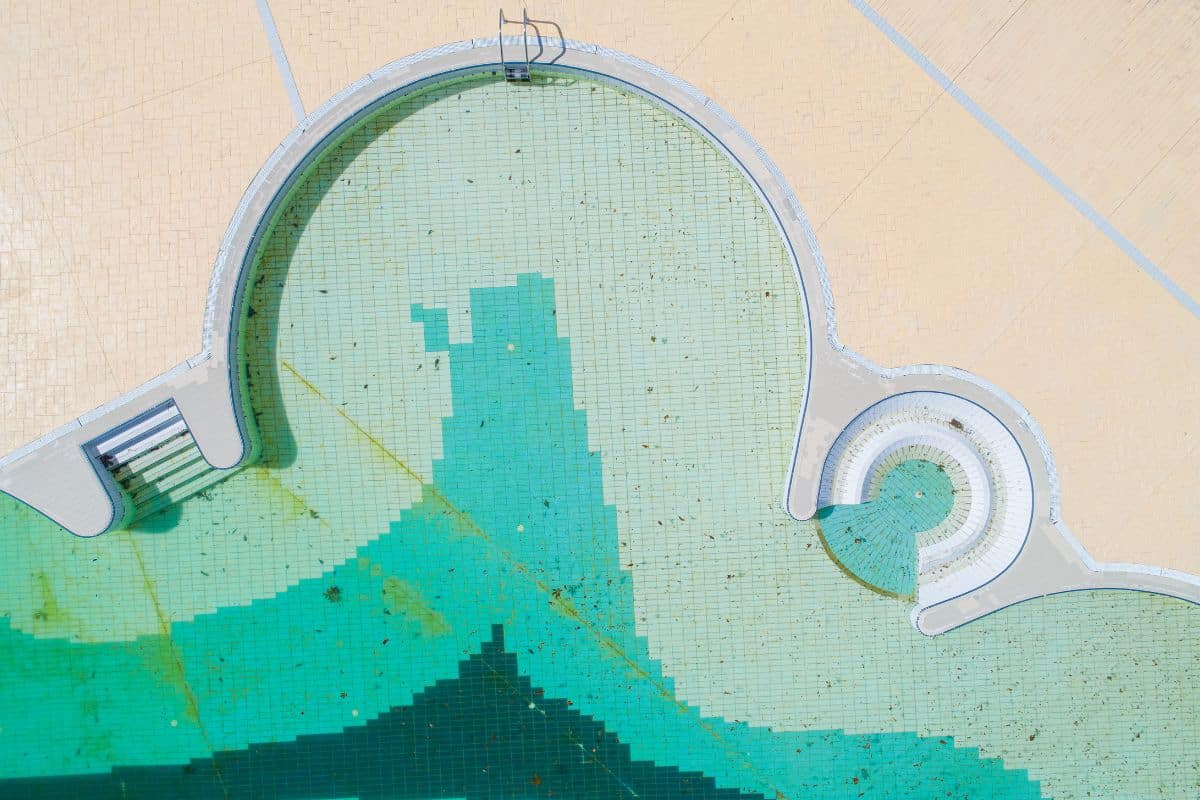
It’s a significant decision for homeowners to choose an inground pool, and clarity helps you make the right choice. Every type offers unique strengths, installation needs, and design possibilities. Fiberglass, gunite, plunge, and vinyl options work well for different lifestyles, backyards, and long-term plans. When you understand how each option functions, you can picture what fits your space, routine, and goals. In this guide, you will learn how these pool types differ in structure, durability, upkeep, and style. These insights help you choose a design that supports years of enjoyment and dependable performance.
Fiberglass, Gunite, Plunge, and Vinyl: What Sets Them Apart
First, learn about the differences:
Fiberglass Pools
Fiberglass models come pre-shaped and ready for placement. They install faster than most other types. Their smooth surface reduces algae buildup and keeps cleaning simple. These work well for families wanting a quick installation and a long-lasting shell. They are available in many shapes, but the size range depends on the manufacturer’s molds.
Gunite Pools
Gunite layouts are fully custom creations. They are formed on-site using rebar and sprayed concrete. This method allows endless design choices. You can shape curves, add tanning ledges, build attached spas, or include steps that blend into the structure. The surface may need resurfacing work over time, but the design flexibility makes gunite a popular choice for custom outdoor areas.
Plunge Pools
Plunge structures are compact and perfect for small spaces. These designs work well for relaxing, cooling off, or adding a modern touch to a yard. They need less water, less upkeep, and less heating time. Many homeowners choose them for patios, courtyards, or narrow yards where a large layout is not needed.
Vinyl Pools
Vinyl layouts use a flexible liner attached to a steel or polymer frame. They work well for homeowners who want design freedom with lower initial demands. Liners need replacement over time, but the shape can be adjusted to match many outdoor layouts.
Benefits of Vinyl Layouts
Inground pools offer flexible shapes and smooth surfaces. They work well for families wanting more design freedom at the beginning stage. Here are the benefits:
Shape and Design Flexibility
Fiberglass pools come in preset shapes with smooth and modern lines. Gunite designs offer full creative freedom for custom layouts. Plunge pools work well in small spaces with compact forms. Vinyl pools adapt to many shapes and yard sizes, including narrow or angled spaces.
Surface Feel and Maintenance Needs
Fiberglass shells feel smooth and limit algae growth. Gunite pools allow many finishes, but may need resurfacing later. Plunge pools need less water and simpler care due to their size. Vinyl liners feel soft underfoot and are easy to clean with routine care.
Installation Time
Fiberglass designs install faster because the shells arrive ready. Gunite structures take longer due to custom forming on-site. Plunge pools install quickly because of their compact size. Vinyl layouts follow a steady schedule with flexible planning steps.
Long-Term Care
Fiberglass shells offer long-lasting strength with minimal upkeep. Gunite pools stay durable with occasional surface updates. Plunge pools need less daily care due to limited volume. Vinyl liners require replacement over time but remain simple to maintain.
Custom Feature Options
Gunite pools lead in customization with tanning ledges, spas, and curves. Fiberglass designs allow built-in steps and benches. Vinyl layouts support benches, lighting, and shallow areas. Plunge pools can include seating edges, lighting, or water features in tight spaces.
Yard Size and Layout
Plunge pools are ideal for small backyards and patios. Fiberglass shapes fit many medium and large yards. Gunite layouts adapt to complex spaces and creative outdoor plans. Vinyl pools suit narrow, wide, or uniquely shaped yards.
Water Usage and Heating Needs
Plunge pools use less water and heat up quickly. Fiberglass and vinyl designs depend on size and depth. Gunite pools may require more water for larger builds. Heating needs vary by climate, pool shape, and the features you add.
Choose the Pool That Fits Your Space with Us
A well-planned inground pool brings value, comfort, and calm to your outdoor space. If you are ready to build one, Imber Construction | Imber Pool & Outdoor | Imber, LLC can guide you with clear steps and dependable workmanship. Our team helps you choose the right structure, features, and equipment for long-term enjoyment.
We proudly serve Springfield, MO; Kansas City, MO; Saint Louis, MO; and Fayetteville, AR with full offices in each location. Reach out today and begin planning a space that supports years of outdoor living.
FAQs
- How long does it take to plan a new pool project?
The planning process can take some time, depending on your design needs and backyard conditions. However, most homeowners find they can complete their planning within a few weeks, especially with some helpful guidance along the way. - Can pool shapes influence the look of my outdoor space?
Absolutely! Shapes truly bring your yard to life by defining its style, flow, and overall vibe. Choosing the right layout can make your outdoor space feel more harmonious and inviting, creating a warm and welcoming atmosphere for everyone to enjoy. - Do all pool types support underwater lighting?
Most structures can easily accommodate lighting when planned early. Your installer will carefully check the shell, wiring paths, and safety details to make sure everything is perfect before they start installing. - What features increase backyard comfort around a pool?
Shade structures, cozy seating areas, and inviting fire features really enhance the outdoor space. Many homeowners also enjoy adding outdoor kitchens or water accents, making the area even more enjoyable and functional. - How does soil type affect pool planning?
Construction steps are influenced by soil movement, drainage, and density. By understanding these factors, builders can select the safest and most effective installation methods, ensuring a smoother and more successful project.