Call Us TODAY: (417) 772-3184
The Step-by-Step Process of Building a Custom In-Ground Pool
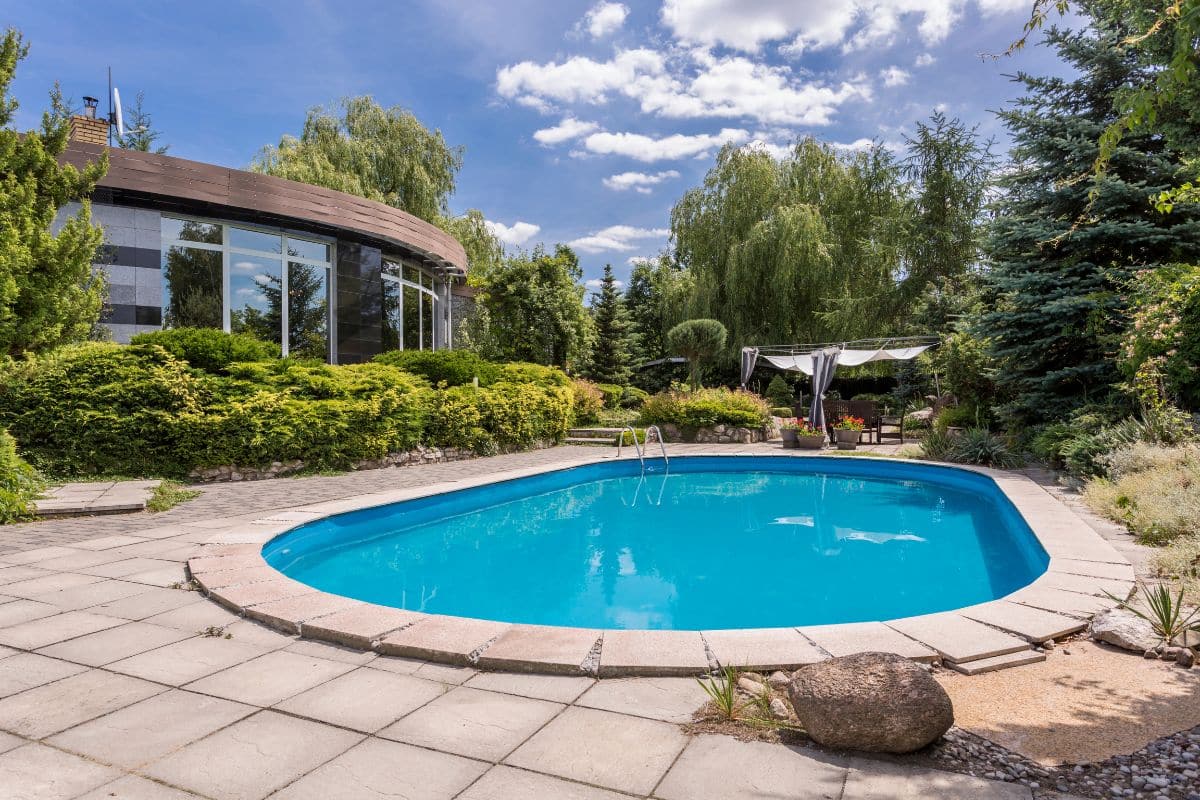
A custom inground pool is more than a backyard upgrade. It becomes a space for connection, comfort, and long-term enjoyment. When homeowners understand the building process, the project feels clearer and less overwhelming. Each stage has an important purpose, from the earliest design work to the final finish. Knowing how the structure forms helps you picture the timeline, the level of detail, and the planning involved. This guide walks you through the full process of creating a custom layout that supports your lifestyle, your space, and your long-term outdoor plans.
Understanding the Pool Construction Process
Here is the step-by-step of the entire procedure:
Initial Planning and Design
Your builder begins with measurements, layout planning, and design mapping. This step shapes the outline, depth, features, and placement. The design phase sets the tone for safe plumbing paths, structural support, and proper excavation.
Excavation and Ground Preparation
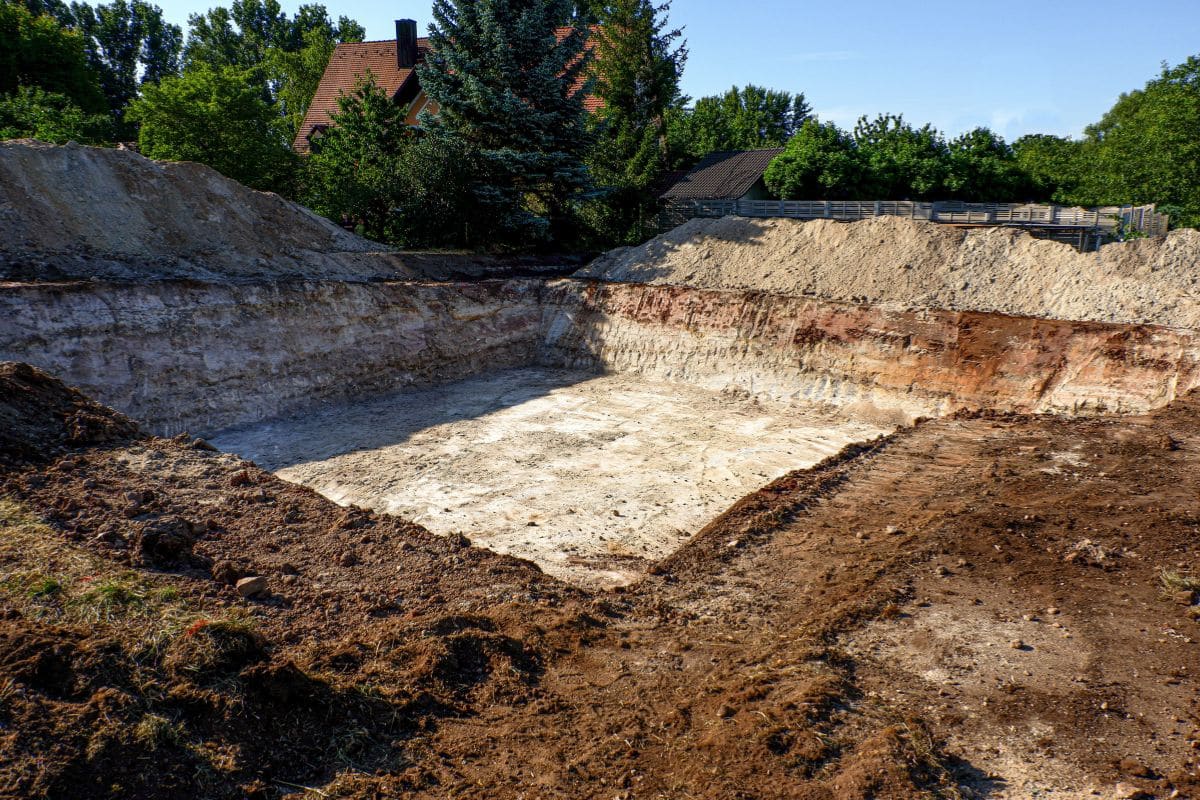
Once the layout is marked, excavation begins. Soil is removed to match the planned shape and depth. The ground is prepared for steel reinforcement, plumbing, and future surface installation. Proper excavation supports long-term structural strength.
Steel, Plumbing, and Electrical Work
Rebar is installed to form the skeleton of the pool. This steel frame supports the entire structure. Plumbing lines are placed for filtration, cleaning, and circulation. Electrical components prepare the system for lighting, automation, or equipment upgrades.
Concrete, Shell Formation, and Curing
Concrete or gunite is applied over the steel frame. This step forms the strong outer shell. The material cures over days, creating long-term strength. This foundational layer supports the surface, tile, coping, and final finish.
Tile, Coping, and Decking
Tile lines are added to define the water level. Coping is installed to frame the edges and connect to the deck. Hardscape features, such as decks or walkways, create a smooth transition from the pool to the outdoor living area.
Interior Finish and Final Setup
Plaster, pebble, or another interior finish is applied to the shell. Water is added, and the equipment is started for the first time. The system is checked for circulation strength, clarity, and smooth operation.
What You Can Expect During the Build?
Here are the key factors that show professional expertise during the construction of an inground pool:
- Safe and defined excavation: The ground is shaped with care to match the planned depth and layout. This supports long-term strength.
- Strong steel reinforcement: Rebar forms a supportive frame that strengthens the entire structure before concrete or gunite is applied.
- Clean plumbing paths: Plumbing lines are placed to support smooth circulation, filtration, and water flow across every area.
- Proper electrical setup: Electrical work prepares the system for lighting, automation, and safe equipment operation throughout the space.
- Durable shell formation: Concrete or gunite creates a solid base that supports tile, coping, and the final interior finish.
- Tile and coping installation: Tile marks the waterline clearly, while coping creates a clean, smooth border between the pool and deck.
- Interior finishing and balancing: Plaster or pebble finishes protect the shell and create a smooth swim surface. Water is then added and balanced.
How Does Each Step Support Long-term Use?
A well-planned layout supports plumbing, equipment, and structural needs. Correct design placement reduces future issues and supports smooth flow. Early planning helps the project stay organized, efficient, and aligned with your goals.
Matching the Build to Your Lifestyle Needs
Your outdoor plans shape your pool’s final form. Families who swim often may want larger layouts. Homeowners with smaller yards may prefer compact or geometric designs. Those who enjoy outdoor gatherings may want added seating, lighting, or water features. Each design choice connects to how you use your outdoor areas daily.
The Role of Equipment in a Smooth Swim Experience
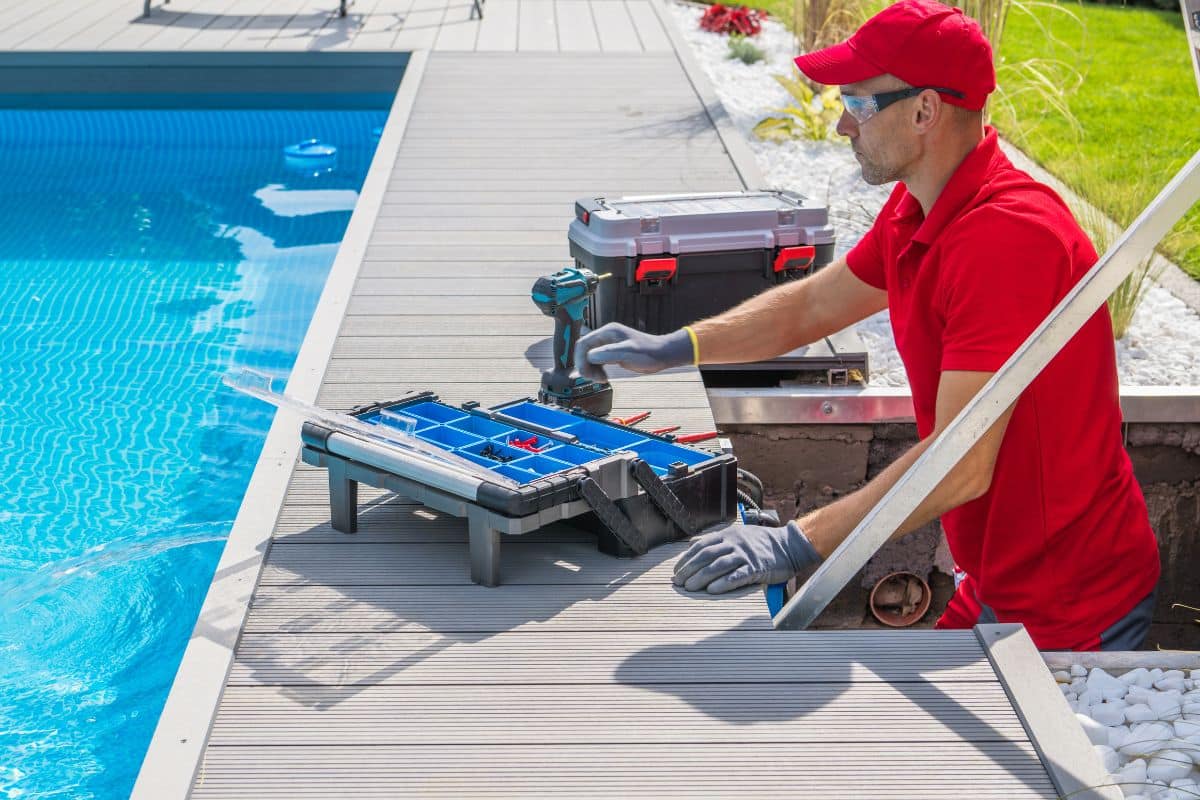
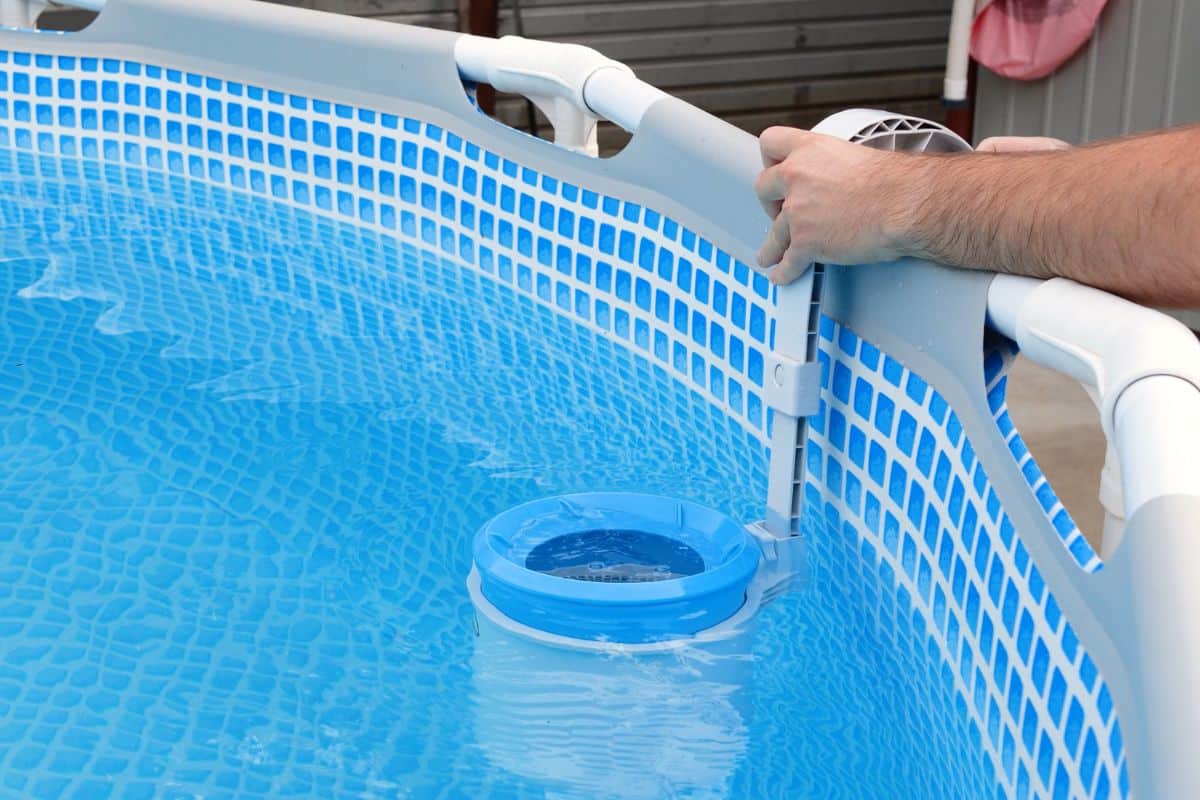
Quality equipment supports water clarity, energy use, and daily performance. Pumps, filters, heaters, and automation tools help maintain balanced water flow. Matching equipment to the pool size helps the system run smoothly throughout each season.
Start Building Your Custom Pool With Us
Building a custom inground pool is a detailed process, and the right team makes every step easier. Imber Construction | Imber Pool & Outdoor | Imber, LLC offers clear guidance from design through finishing. We aim to help you create a layout that supports your lifestyle and outdoor plans. We welcome homeowners and have a full office ready to support your project. Connect with us today and begin shaping a backyard built for long-term enjoyment.
FAQs
- How long does the construction process usually take?
Timelines vary by design, materials, and weather. Most projects follow a steady process from excavation to finishing. Your builder reviews each stage to ensure safe, smooth progress from start to completion. - Can custom features be added during the design stage?
Yes, features like benches, lighting, or water elements can be added early. Planning them at the start helps avoid layout changes later. This also ensures proper plumbing, structural support, and electrical paths. - What helps maintain clarity after the pool is filled?
Maintaining balanced water, effective filtration, and consistent circulation really helps keep everything clear. Using the right equipment makes it easier to keep the flow clean and steady. Regular check-ups ensure your system works smoothly all year round. - Does yard size limit the pool shape?
Yard size helps shape the layout, but there’s plenty of room for different designs. Smaller spaces are perfect for compact or geometric styles that make the most of limited room. If you have a larger yard, you can enjoy layouts with deeper, wider designs. - When can homeowners use the pool after finishing?
The usage guidelines depend on the type of finish and how it cures. Some surfaces might need a few days before they’re safe for swimming. Your builder will happily explain the specific timeline so you know exactly when it’s safe to enjoy your new space.