Call Us TODAY: (417) 772-3184
Tips for Using Your Portable Spa in All Seasons

Owning a portable spa is a fantastic way to unwind and enjoy a luxurious experience throughout the year. Whether it’s summer or winter, your spa can provide relaxation and comfort. However, to ensure it remains in excellent condition and offers the best experience, you need to adjust your usage and maintenance based on the season.
Seasonal changes can affect both the functionality and enjoyment of your spa. This guide provides practical, easy-to-follow advice to help you keep your spa in top shape year-round. By implementing these tips, you’ll ensure that your spa remains a soothing retreat, delivering its full benefits regardless of the weather outside.
Preparing Your Portable Spa for Different Seasons
Spring and Summer Care
As the weather warms up, your spa experiences different conditions. Here’s how to keep it in optimal condition:
- Regular Cleaning: In spring and summer, your spa is more likely to attract debris such as leaves, bugs, and pollen. To maintain clean water, check and clean the filter and spa cover frequently. A clean filter ensures proper circulation and water clarity, while a well-maintained cover prevents debris from entering the spa.
- Monitor Temperature: Hot weather can make the spa water uncomfortably warm. Consider lowering the temperature setting to enhance your comfort and prevent overheating. A cooler temperature not only provides a refreshing experience but also reduces the strain on the spa’s heating system.
- Use a Cover: Always cover your spa when it’s not in use. A cover helps keep out debris, insects, and UV rays, which can degrade the water quality. It also helps in retaining heat, making the spa more energy-efficient and ready for use at any time.
Fall and Winter Care
Cold weather brings its own set of challenges. Follow these tips to ensure your spa remains functional and enjoyable:
- Winterize Your Spa: Preparing your spa for winter involves more than just lowering the temperature. Insulate the spa to prevent heat loss and ensure the heater is working efficiently. In areas with extreme cold, consider using an additional spa heater or thermal blanket to maintain a consistent water temperature and prevent freezing.
- Frequent Maintenance: The cold can affect the chemical balance of the water. Test the water more often to check pH levels, alkalinity, and sanitizer levels. Adjust these levels as needed to keep the water clean and safe. Proper maintenance prevents freezing issues and ensures the spa remains inviting.
- Protect from Snow and Ice: Snow and ice can accumulate around your spa, creating potential hazards and damage. Regularly clear snow and ice from the spa area using a broom or shovel. This keeps the area safe and accessible while preventing any potential damage to the spa components.
Seasonal Adjustments for Optimal Enjoyment
Summer Adjustments
- Shade and Shelter: To improve comfort during hot summer days, place your spa in a shaded area or use a spa gazebo. This will help keep the water temperature lower and protect you from direct sunlight. Additionally, adding a misting system or outdoor fan can enhance cooling effects around the spa area.
- Hydration: Hot weather increases your risk of dehydration, especially when using a spa. Drink plenty of water before and after your spa session to stay hydrated. Avoid alcohol and caffeine, as these can contribute to dehydration.
Winter Adjustments
- Snow and Ice Removal: Regularly remove snow and ice from the area surrounding your spa. This not only prevents potential damage but also ensures easy access. Be cautious when removing snow to avoid accidentally damaging the spa cover or structure.
- Check Water Levels: In cold weather, evaporation rates can change, affecting water levels. Monitor the water level regularly and top off as needed to ensure proper spa operation. Maintaining the correct water level is crucial for the spa’s pump and heating systems to function efficiently.
Additional Tips for Spa Care
General Maintenance
- Consistent Cleaning: Clean the spa shell, filter, and other components regularly to prevent buildup. Use spa-specific cleaning products to avoid damaging the materials. Regular cleaning helps maintain water quality and extends the life of your spa.
- Chemical Balance: Regularly test the water to ensure proper chemical balance. Adjust the pH, alkalinity, and sanitizer levels as needed. Proper water chemistry is essential for a safe, comfortable, and enjoyable spa experience.
Safety Considerations
- Avoid Overuse: Limit your time in the spa to prevent overheating and dehydration. Follow the manufacturer’s guidelines for safe usage. Take breaks and listen to your body’s signals to avoid overexposure to hot water.
- Secure Placement: Ensure your portable spa is placed on a stable, level surface. Proper placement helps prevent accidents and damage. Consider using a spa mat or platform to provide additional stability and protect the area beneath the spa.
Enhancing Your Spa Experience
Add Aromatherapy
- Essential Oils: Enhance your spa experience by adding essential oils designed for spa use. Choose scents that you find relaxing and enjoyable. Essential oils can provide additional therapeutic benefits and create a soothing atmosphere. Be cautious with the amount you use, as too much can affect water chemistry and damage spa components.
Adjust Lighting
- Waterproof LED Lights: Install waterproof LED lights around your spa area to create a calming ambiance. Adjustable lighting can enhance your relaxation experience, allowing you to set the mood according to your preference. Consider using colored lights for a more vibrant atmosphere or softer hues for a tranquil setting.
Incorporate Accessories
- Spa Steps and Handrails: For added safety and convenience, consider adding spa steps and handrails. These accessories make entering and exiting the spa easier, especially for children or elderly users. They also help prevent slips and falls, ensuring a safer spa experience.
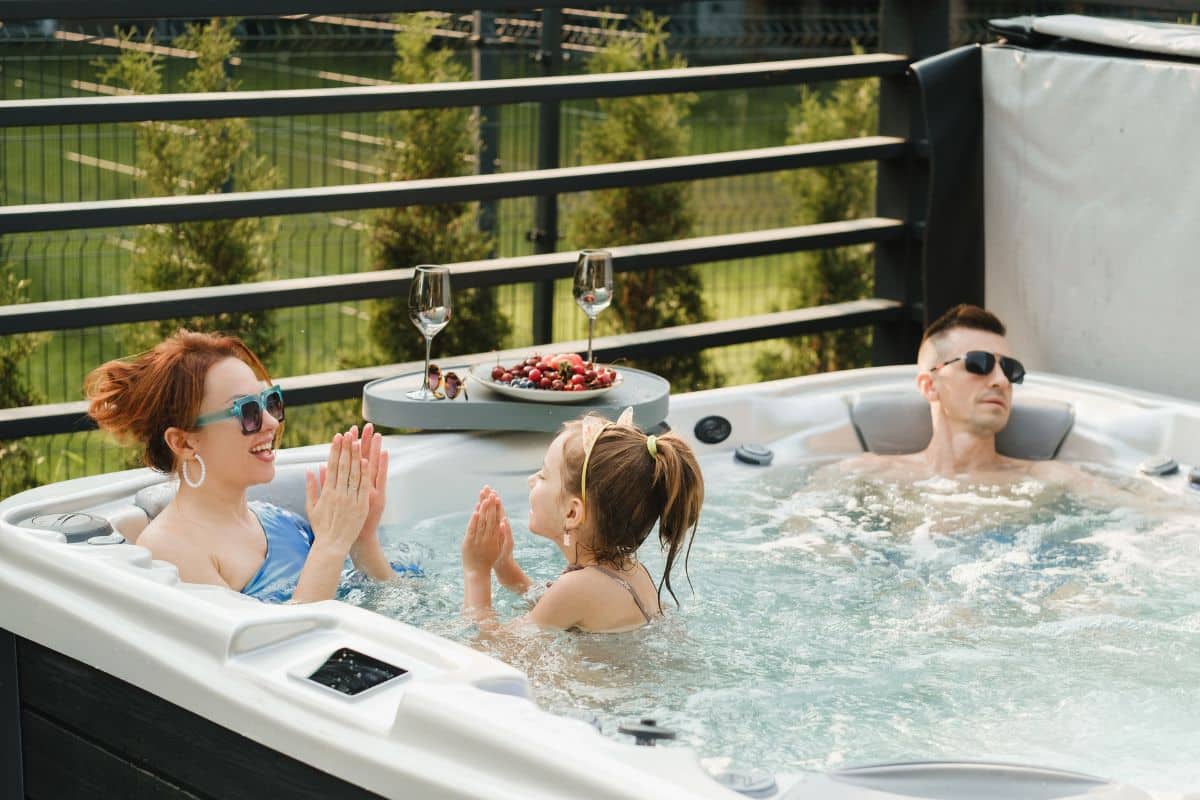
- Spa Caddies: Use a spa caddy to keep your essentials within reach. This can include items like towels, beverages, and reading materials. A caddy helps keep your spa area organized and ensures that you have everything you need for a comfortable and enjoyable soak.
Maximizing Your Spa Experience Year-Round
Maintaining and adapting your spa to different seasons ensures you can enjoy its benefits throughout the year. By following these tips, you can keep your spa in excellent condition and make the most of every soak, regardless of the weather.
Just as you care for your spa, attention to other aspects of your health is essential. For those considering solutions like portable spas, regular maintenance and care are crucial for long-lasting enjoyment. By investing in both your spa and overall well-being, you enhance your comfort and quality of life. Embrace the changing seasons and enjoy your portable spa to the fullest, knowing it’s well-maintained and ready for any weather!
Frequently Asked Questions
How often should I clean my portable spa filter?
You should clean your portable spa filter approximately every 2-4 weeks, depending on usage and the environment. If you use your spa frequently or if it’s exposed to high levels of debris, you may need to clean the filter more often. Regular cleaning prevents the buildup of dirt and debris, ensuring the spa operates efficiently and the water remains clean.
What should I do if my spa water becomes green?
Green water in your spa typically indicates an algae bloom, often caused by imbalanced water chemistry or insufficient sanitizer levels. To remedy this, shock the water with a high dose of sanitizer, adjust the chemical levels, and clean the filter. Regularly testing and maintaining proper water balance can help prevent future algae growth.
How can I ensure my portable spa remains energy-efficient in winter?
To keep your spa energy-efficient in winter, ensure it is well-insulated, and the cover fits snugly to reduce heat loss. Consider investing in a thermal blanket to place on the water’s surface, which can help retain heat and lower energy consumption. Regular maintenance of the heater and insulation can also improve energy efficiency.