
Call Us TODAY: (417) 772-3184
Top 5 Pool Maintenance Tips Every New Pool Owner Should Know
Owning a pool is exciting, but it comes with responsibilities that can feel overwhelming at first. From keeping the water crystal clear to ensuring every part of the system runs smoothly, pool maintenance plays a critical role in your enjoyment.
Neglecting proper care can lead to murky water, expensive repairs, or even health risks. But don’t worry—learning how to maintain your pool doesn’t have to be complicated.
With the right tips and a little consistency, you can keep your pool in top shape year-round. Whether you’re balancing chemicals, cleaning debris, or maintaining equipment, knowing where to start makes all the difference.
In this blog, we’ll cover five essential pool maintenance tips every new pool owner needs to know. These practical and easy-to-follow steps will help you protect your investment and enjoy your pool without stress.
1. Master the Basics of Water Chemistry
Balanced water chemistry is the foundation of pool maintenance. It keeps the water safe, clear, and pleasant while protecting the pool’s structure and equipment. Understanding key parameters ensures you can manage your pool effectively and avoid costly repairs.
- pH Levels: Maintain a pH between 7.2 and 7.8 for swimmer comfort and effective chemical use.
- Chlorine Levels: Keep chlorine at 1-3 ppm to disinfect and prevent algae.
- Alkalinity: Aim for 80-120 ppm to stabilize pH and reduce fluctuations.
- Calcium Hardness: Target 200-400 ppm to prevent scaling or corrosion.
- Test water weekly with a reliable kit, and adjust levels using chemicals like pH increasers or reducers.
- Consult a professional if balancing seems challenging, especially during seasonal changes.
2. Keep Your Pool Clean and Debris-Free
Cleaning your pool regularly ensures sparkling water and prevents clogs or algae growth. Skimming, vacuuming, and brushing the pool should be part of your weekly routine. A clean pool not only looks inviting but also saves you from bigger issues later.
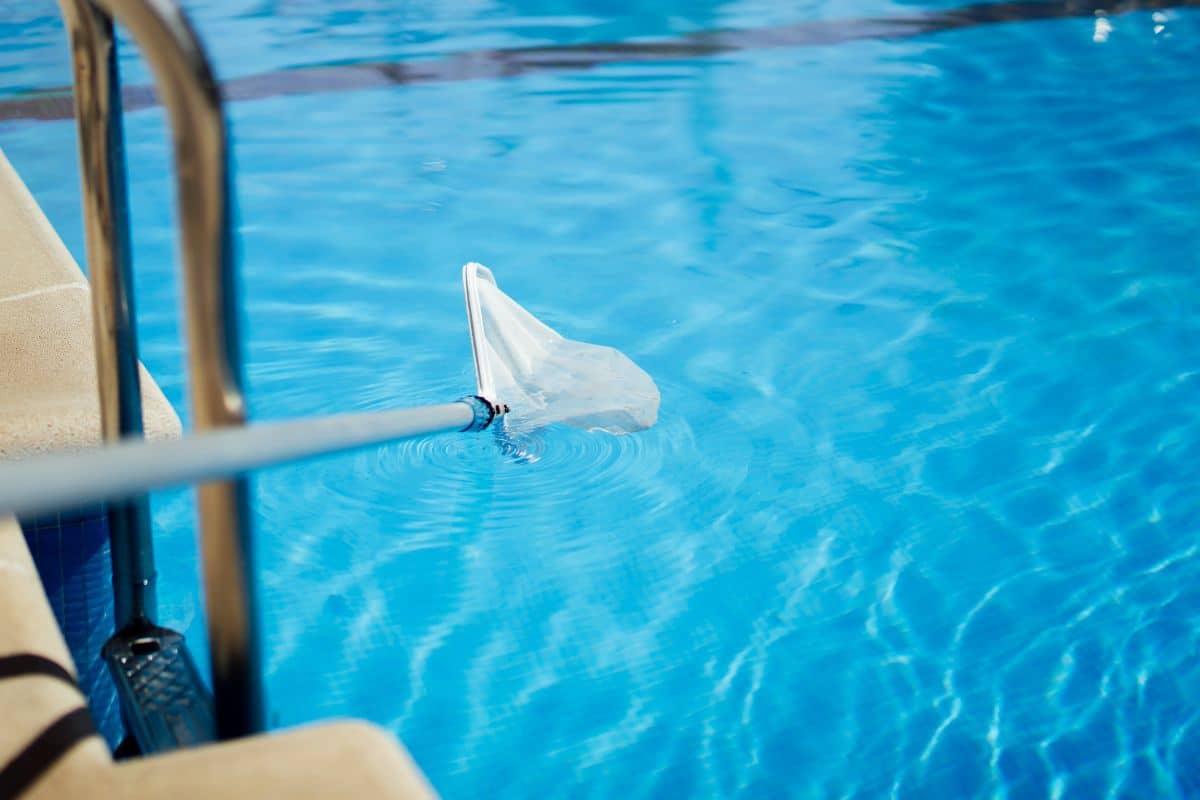
- Skim the Surface: Use a net daily to remove leaves, bugs, and other debris.
- Vacuum Weekly: A pool vacuum can handle dirt and particles that settle on the floor.
- Brush Walls: Prevent algae and grime by brushing walls and tiles weekly.
- Use a Pool Cover: Covers reduce debris entry, protect against weather, and save cleaning time.
- Schedule tasks to suit your lifestyle, ensuring maintenance doesn’t feel burdensome.
3. Understand Your Pool Filtration System
Your pool’s filtration system is its heartbeat, keeping the water clean and safe. A properly maintained filter and pump ensure healthy circulation, which prevents algae and debris buildup. Understanding how these components work helps you avoid common filtration issues.
- Clean Filters: Rinse or replace filters regularly to maintain optimal flow.
- Monitor Pump Performance: Ensure the pump runs 8-12 hours daily to circulate water effectively.
- Prevent Clogs: Remove debris from skimmers and baskets to avoid blockages.
- Schedule Inspections: Have professionals check for issues with pipes or motors annually.
- Stay consistent with maintenance to extend the life of your filtration system.
4. Regularly Inspect Pool Equipment
Your pool equipment needs regular attention to stay functional. Pumps, heaters, and skimmers often experience wear and tear, especially during heavy use. Routine inspections help you spot potential issues early and avoid costly repairs.
- Inspect Pumps and Filters: Look for leaks, noises, or reduced efficiency.
- Check Heaters: Ensure they heat water efficiently without strange smells or noises.
- Monitor Lights: Replace dim or flickering bulbs promptly for safety.
- Examine Skimmers and Returns: Clear clogs and ensure proper flow.
- Replace worn parts as needed and follow manufacturer guidelines for maintenance.
5. Develop a Seasonal Maintenance Plan
Seasonal care ensures your pool stays in great condition year-round. Different seasons bring unique challenges, from increased use in summer to freezing risks in winter. A well-thought-out plan keeps your pool ready for every season.
- Summer Maintenance: Increase cleaning frequency and monitor water chemistry as usage rises.
- Winter Prep: Winterize the pool by lowering water levels, adding antifreeze, and covering it securely.
- Spring Startup: Remove the cover, clean the pool, and test the water before the first swim.
- Schedule professional servicing during transitions to address hidden issues.
Common Mistakes to Avoid as a New Pool Owner
New pool owners often make preventable mistakes that lead to frustration and extra costs. Avoid these common pitfalls to enjoy a stress-free pool ownership experience.
- Overusing Chemicals: Excess chemicals can irritate swimmers and damage the pool. Use only as directed.
- Neglecting Cleaning: Skipping cleaning leads to algae growth and clogged filters. Stick to your schedule.
- Ignoring Equipment Maintenance: Small issues can become significant if left unchecked. Inspect and repair regularly.
- Skipping Water Tests: Test water weekly to catch imbalances before they cause trouble.
- Stay proactive and consistent to keep your pool running smoothly without unnecessary hassle.
Owning a pool can be as effortless as rewarding when following simple maintenance habits. By staying consistent and mindful of your pool’s needs, you’ll ensure it remains a safe and enjoyable retreat for years. Whether it’s fine-tuning water chemistry or prepping for seasonal changes, small efforts now save you from more significant headaches later. Embrace the journey of pool ownership with confidence, knowing you’re equipped with the right tools and knowledge to succeed.