Call Us TODAY: (417) 772-3184
Top Signs Your Commercial Pool Needs Repair & Replastering
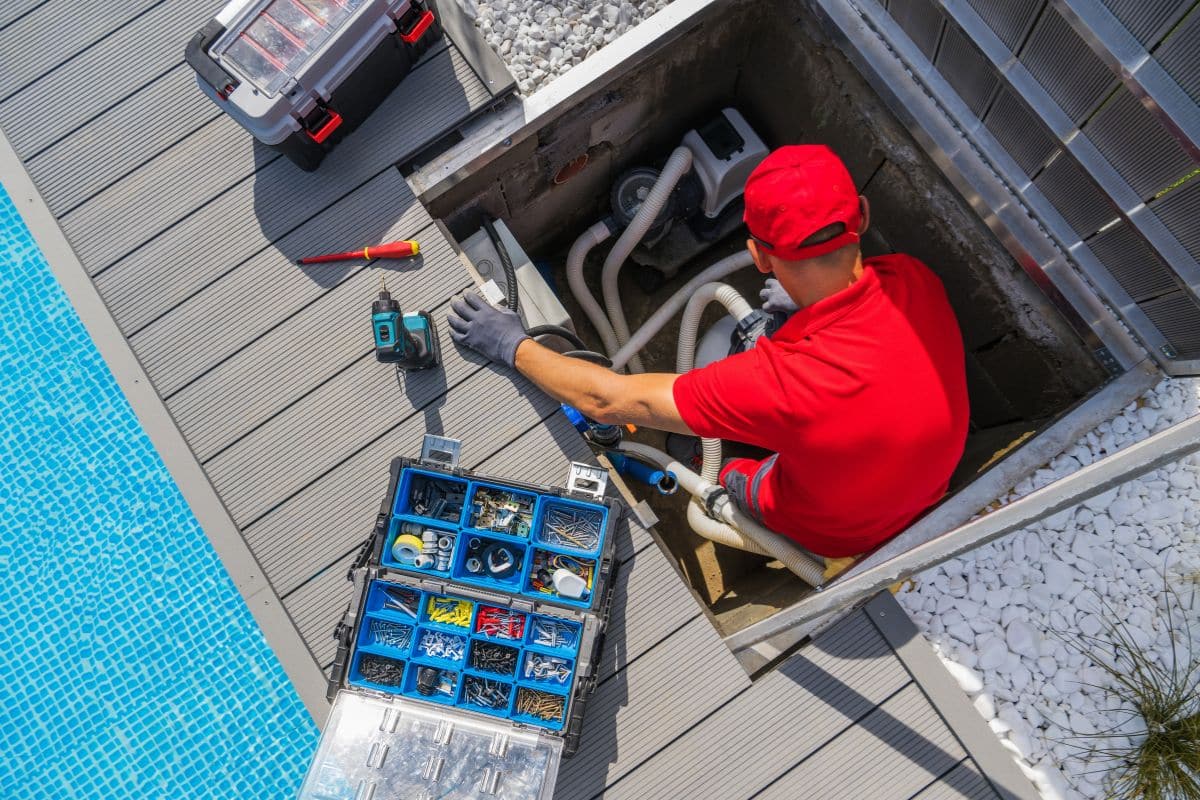
Commercial pools, whether in hotels, gyms, or community centers, are subjected to constant use and exposure to the elements. Over time, this heavy usage and environmental stress can lead to wear and tear. Recognizing the signs that indicate your pool needs repair and replastering is crucial to maintaining safety, aesthetics, and functionality. In this blog, you will get to know the most common signs that suggest it’s time to invest in repair and replastering services. By detecting these issues early, you can save on costly repairs and extend the lifespan of your pool.
Indications A Commercial Pool Needs Repairing and Replastering
It is crucial to identify the signs that a swimming pool needs repair and replastering in order to prevent further damage and expenses. They are as follows:
Cracks and Chips in the Pool Surface
Cracks and chips are a common issue with commercial pools. These can occur due to shifting ground, wear from heavy usage, or aging plaster. Not only do they affect the aesthetic appeal of the pool, but they also lead to more severe damage if left untreated. Cracks can allow water to escape, causing leaks and structural damage. This leads to higher repair costs down the line. Replastering the pool can fill these cracks and restore its integrity.
Peeling or Discoloration of Pool Plaster
If your pool’s surface is peeling or showing signs of discoloration, it could be an indicator that the plaster is wearing out. Over time, exposure to chlorine, sunlight, and pool chemicals causes the plaster to degrade. When this happens, the pool loses its vibrant appearance, and the surface becomes rough, which could irritate swimmers’ skin. Replastering your commercial pool ensures that the surface is smooth, clean, and free from blemishes.
Rough Pool Surface
A rough pool surface is another sign that your commercial pool may need replastering. A smooth pool surface is essential for both comfort and safety. When the plaster starts to wear down, the pool surface becomes rough, making it uncomfortable for swimmers and potentially causing abrasions. If swimmers are experiencing cuts or rashes, this may be due to the pool’s deteriorating plaster. A replastering service will restore the pool’s surface, ensuring it remains safe and comfortable.
Pool Leaks and Water Loss
Leaks are one of the most obvious signs that your pool needs repairs. Commercial pools are large, and if you’re noticing a significant drop in water levels, it might be because of cracks or other issues in the plaster. These leaks not only waste water but can also lead to more serious structural damage. Early intervention, such as repair and replastering, can prevent further water loss and the associated costs of refilling your pool regularly.
High Repair Costs
If your pool requires constant repairs, it may be time to consider a full replastering. Frequent repairs can add up quickly, and patching up the same issues repeatedly isn’t a long-term solution. Replastering your pool can fix multiple problems at once, saving you money on repeated repairs and increasing the pool’s lifespan. This investment can also prevent future breakdowns and help maintain the smooth operation of your commercial pool.
Pool Water Chemistry Imbalances
If your pool’s water chemistry is consistently out of balance, it could be due to the porous nature of the pool plaster. As the plaster wears down, it becomes more difficult to maintain proper chemical levels, leading to poor water quality. This not only impacts the swimmers’ experience but also accelerates the degradation of the pool. Replastering restores the surface, making it easier to maintain balanced water chemistry.
Fading and Staining
Another sign your pool needs replastering is if you’re noticing persistent stains and fading. These are often caused by chemicals, debris, and algae buildup. While regular cleaning can help, fading and staining are signs that the plaster is no longer performing effectively. Replastering your pool can restore its original color and help prevent staining in the future, leaving it looking fresh and inviting.
The Long-Term Benefits of Pool Repair and Replastering
Replastering and repairing your commercial pool might seem like an investment in the short term, but the long-term benefits far outweigh the costs. Below, we’ll discuss how these services can positively impact the life of your pool and save you money in the future.
Enhanced Aesthetic Appeal
A well-maintained pool significantly contributes to the visual appeal of your commercial property. Whether you’re managing a hotel, gym, or community pool, the appearance of your pool is a key factor in creating a positive impression. Replastering your pool can restore its original color, eliminating stains and discoloration caused by chemicals, algae, and heavy use. A clean, beautiful pool invites guests to enjoy the facility, which can lead to better customer satisfaction and higher business value.
Increased Property Value
Investing in pool repairs and replastering can increase the overall value of your commercial property. When your pool looks well-maintained, it enhances the perceived value of your business, attracting more customers and guests. A newly replastered pool can be an appealing selling point for any commercial space. If you’re looking to sell or lease the property, potential buyers or tenants will appreciate the attention to detail and care put into maintaining the pool area.
Prevents Major Structural Damage
Regular repair and replastering can prevent more severe and costly damage from developing. Cracks in the pool’s surface can lead to water leaks, which can damage the surrounding structure and equipment. These leaks can also cause soil erosion, making the ground unstable, which could lead to more expensive repairs in the future. By staying ahead of small issues and addressing them early through replastering, you avoid a situation where larger, more complex repairs are needed later on.
Safety and Comfort for Swimmers
A smooth and properly maintained pool surface is essential for both safety and comfort. When the plaster deteriorates, the rough texture can lead to painful cuts and abrasions for swimmers. Replastering ensures that the surface remains smooth, preventing these issues and creating a more pleasant swimming experience. Additionally, a well-maintained pool is safer, reducing the risk of accidents caused by poorly maintained areas such as cracked tiles or damaged surfaces.
Easier Pool Maintenance
A newly replastered pool is much easier to maintain than one with a worn-out surface. When the plaster deteriorates, it becomes harder to keep the pool clean, leading to an increased need for cleaning chemicals, brushes, and other cleaning tools. The porous surface can also absorb dirt and grime, making it difficult to achieve a consistently clean pool. Replastering restores a smooth, non-porous surface that’s easier to clean and requires less frequent maintenance, saving you time and money in the long run.
Better Water Chemistry Control
As the plaster breaks down over time, it can negatively affect the water chemistry of your pool. A damaged surface can increase the likelihood of pH imbalances, making it difficult to maintain proper water chemistry. This, in turn, can lead to algae growth and murky water. Replastering your commercial pool creates a fresh surface that helps stabilize water chemistry, making it easier to maintain safe and clear water for swimmers.
Improved Energy Efficiency
When cracks or worn-out plaster cause leaks, the pool’s pump and filtration system must work harder to maintain water levels and circulation. This increased strain can drive up your utility bills, as the pool system uses more energy to keep the water at optimal levels. By repairing cracks and replastering the pool, you restore the efficiency of the system, reducing unnecessary strain and lowering energy costs. This contributes to long-term cost savings and a more eco-friendly pool operation.
Bringing Your Commercial Pool Back to Life!
Maintaining the integrity and beauty of your commercial pool is essential not only for aesthetic appeal but also for the safety and comfort of your guests. From cracks and discoloration to rough surfaces and leaks, addressing these issues early with professional repair and replastering services can save you from costly repairs down the line. Regular upkeep ensures that your pool remains an inviting, functional, and safe space for swimmers while also preserving the value of your property.
If you’re noticing any of the signs mentioned in this blog, it might be time to consider repairing or replastering your commercial pool. At Imber Pool & Outdoor, we specialize in commercial pool repair and replastering services, offering expert craftsmanship and attention to detail. Don’t wait until small issues turn into expensive problems. Reach out to us today to schedule a consultation and ensure your pool stays in top shape!
Frequently Asked Questions (FAQs) About Commercial Pool Repair & Replastering
How often should a commercial pool be replastered?
Commercial pools typically need replastering every 10-15 years, depending on usage and maintenance. If you notice cracks or rough surfaces, it might be time for early replastering.
How can I tell if my pool has a leak?
If your pool water level consistently drops, it could be leaking. A professional inspection can help pinpoint the source and determine whether replastering or other repairs are needed.
Why is my pool surface rough?
Rough pool surfaces are caused by plaster degradation, often from age or exposure to chemicals. Replastering can restore the smooth surface and prevent swimmer discomfort and potential injuries.
Can replastering help with pool discoloration?
Yes, replastering can fix discoloration caused by aging plaster or chemical exposure. A fresh coat of plaster will restore the pool’s vibrant look and improve water clarity.
How do I prevent future pool surface damage?
Regular maintenance, proper chemical balance, and timely repairs can prevent surface damage. Keeping an eye out for early signs like cracks or peeling will help avoid costly repairs later.
What does commercial pool replastering include?
Replastering a commercial pool typically includes removing the old plaster, fixing cracks, and applying a new smooth surface. The process restores both aesthetics and functionality, ensuring long-term durability.
How long does pool replastering take?
Pool replastering generally takes 7-10 days, depending on the pool size and condition. Once completed, the pool is ready for use after the curing period, which can take a few weeks.