Call Us TODAY: (417) 772-3184
Ultimate Guide to Winter Pool Care
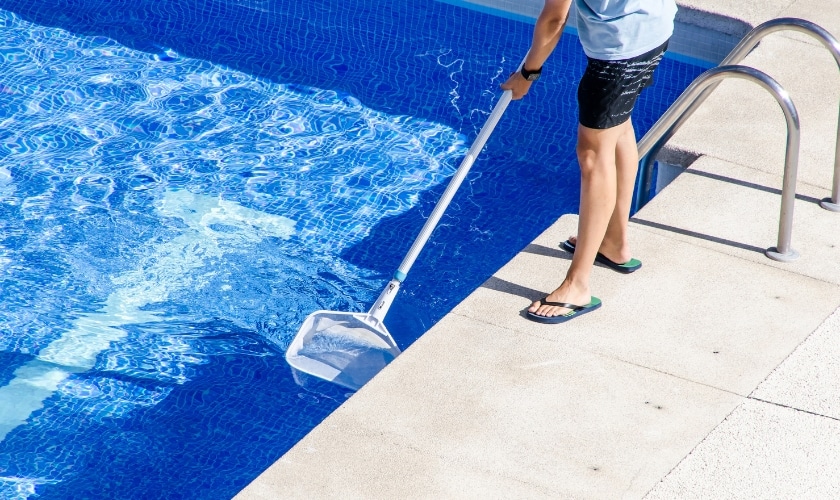
Don’t let a surprise freeze catch you off guard! Winterizing your pool before freezing temperatures arrive is crucial for preventing costly damage. In this section, we’ll delve into the importance of winterization, the ideal timing, and a detailed checklist to ensure your successful pool care in the winter.
Importance of Winterizing Your Pool
Winterizing your pool goes beyond simply covering it up. It’s a proactive approach that safeguards your pool from the damaging effects of freezing temperatures. Here’s why winterization is essential:
- Prevents Pipe Bursts: Water expands when it freezes. By properly draining your pool’s pipes and equipment, you eliminate the risk of them bursting due to ice buildup.
- Protect the Pool Liner: Frozen water can exert immense pressure on your pool liner, potentially causing tears or cracks. Winterization helps mitigate this risk.
- Reduces Algae Growth: Stagnant water is a breeding ground for algae. Winterizing with proper chemical balancing helps suppress algae growth throughout the winter months.
- Minimizes Equipment Damage: Draining and properly storing pool equipment prevents damage from freezing temperatures.
When to Winterize Your Pool
The ideal time to winterize your pool depends on your location’s climate and freeze potential. Here are some general guidelines:
- Temperatures Consistently Below Freezing: If your area experiences consistent freezing temperatures, plan to winterize your pool before the first frost.
- Below Freezing Nighttime Temperatures: Even if daytime temperatures remain mild, consider winterizing if nighttime dips below freezing.
- Forecast Predicts a Freeze: Closely monitor weather forecasts and winterize your pool if a freeze is predicted.
Remember, early winterization is always better than waiting for a freeze to hit.
Winterization Checklist: Step-by-Step Guide
Now that you understand the importance and timing of winterization let’s get down to the nitty-gritty with a comprehensive checklist:
- Draining the Pool:
- Partial Drain: For areas with mild freezes, consider a partial drain, typically lowering the water level below skimmers and return lines.
- Complete Drain: In colder climates, a complete drain is recommended, removing all water from the pool, pipes, and equipment.
- Blow-Out Lines: Use a compressor to blow out any remaining water in pipes and equipment to prevent freezing and potential bursts.
- Cleaning the Pool:
- Thorough Brushing: Brush the entire pool surface, walls, and floor to remove any dirt, debris, or algae.
- Vacuuming: Meticulously vacuum the pool floor to remove settled debris and prevent staining during winter.
- Skimmer and Basket Cleaning: Remove and clean skimmer baskets and pump baskets to prevent them from becoming clogged with debris over winter.
- Chemical Balancing:
- Maintain Proper pH: Adjust the pool’s pH level to between 7.2 and 7.6 for optimal chemical effectiveness during winter.
- Shock the Pool: Use a chlorine shock treatment to eliminate any existing bacteria or algae before closing the pool.
- Winterizing Chlorine Level: Add a winterizing dose of chlorine according to your pool’s size and stabilizer level.
- Covering the Pool:
- Choose the Right Cover: Select a high-quality, properly-sized winter pool cover designed for your pool’s shape and size.
- Secure the Cover: Tightly secure the cover with straps or anchors to prevent wind, rain, and debris from entering the pool.
- Water Bags or Pool Balls (Optional): Consider using water bags or pool balls on top of the cover to prevent pooling water and ice buildup.
Maintaining Your Pool During a Freeze
Even after winterizing your pool, occasional monitoring during freezing temperatures is essential. This section will highlight key practices to maintain your pool’s health throughout the winter.
A. Monitoring Water Levels
- Check for Leaks: Freezing temperatures can cause leaks in pipes or pool liners. Regularly check the water level to identify any unusual drops that might indicate a leak.
- Ice Expansion: In very cold climates, ice expansion in the pool can cause the water level to rise slightly. This is usually not a cause for concern, but monitor the level to ensure it doesn’t overflow.
B. Preventing Ice Damage
- Skimming the Surface: During prolonged freezes, periodically skim the pool surface to remove any ice buildup. This helps prevent pressure on the pool liner and allows for gas exchange to prevent water stagnation.
- Pool Balls (Optional): Using pool balls on top of the winter cover can help create air pockets and prevent a complete ice sheet from forming, reducing pressure on the liner.
C. Addressing Minor Freeze Issues
- Frozen Pipes: If you suspect frozen pipes, avoid using hot water to thaw them, as this can cause cracks. Instead, use warm towels or a hairdryer on a low setting to gradually melt the ice.
- Frozen Skimmer: Pour warm water on the skimmer to melt any ice buildup that might impede proper filtration.
Restoring Your Pool After a Freeze (After a Freeze)
Spring has sprung, and it’s time to bring your pool back to life! But before you dive in, some crucial steps are essential to ensure your pool recovers safely and efficiently from the winter freeze. This section will guide you through the post-freeze restoration process.
A. Safety Precautions Before Entering the Pool Area
Safety first! Before entering the pool area after a freeze, take these precautions:
- Electrical Hazards: Freezing temperatures can damage electrical wiring. Inspect all pool equipment for exposed wires or signs of damage before turning anything on.
- Structural Damage: Look for cracks in the pool liner, coping, or surrounding deck that might have occurred due to freezing. Address any structural issues before using the pool.
B. Removing Ice Safely
- Gradual Thawing: Avoid using force to break the ice sheet. Allow it to melt naturally or use warm water to gradually melt the edges. Patience is key to prevent damaging the pool liner.
C. Inspecting for Freeze Damage
Once the ice has melted, conduct a thorough inspection for any freeze damage:
- Pool Liner: Check for cracks, tears, or punctures in the pool liner.
- Pipes and Equipment: Look for leaks or cracks in pipes, pumps, filters, or heaters.
- Pool Deck: Inspect the pool deck for cracks or damage caused by freezing and expanding water.
D. Re-balancing Pool Chemicals
Winterized pool water may have altered chemical levels. Here’s how to restore proper balance:
- Test and Adjust pH: Test the pool’s pH level and adjust it to the ideal range of 7.2 – 7.6 using pH increaser or decreaser.
- Shock the Pool: Use a chlorine shock treatment to kill any bacteria or algae that may have accumulated during the winter months.
- Maintain Chlorine Levels: Establish a regular chlorine maintenance routine to ensure proper sanitation throughout the swimming season.
E. Uncovering and Cleaning the Pool
- Remove Winter Cover: Carefully remove the winter cover and dispose of any accumulated debris like leaves or twigs.
- Clean the Pool: Thoroughly clean the pool using a brush and vacuum to remove any winter debris and accumulated dirt.
- Backwash and Rinse Filter: Backwash and rinse your pool filter to remove any trapped winter debris and ensure optimal filtration.
Frequently Asked Questions
Can I winterize my pool myself?
Yes, winterizing your pool can be a DIY project with the proper knowledge and preparation. This guide provides a detailed checklist to walk you through the process. However, if you’re uncomfortable with any steps or have a complex pool setup, consulting a pool professional for winterization services is always recommended.
What if I forget to winterize my pool before a freeze?
If a surprise freeze hits before you winterize, don’t panic! Here are some steps to take:
- Drain as much water as possible: Immediately drain any water you can from the pool, pipes, and equipment to minimize the risk of bursting.
- Disconnect and Drain Equipment: Disconnect pool equipment like pumps and filters, and drain any remaining water to prevent freezing damage.
- Cover the Pool Loosely: While a full winterization cover isn’t ideal at this point, throw a tarp or other loose cover over the pool to minimize debris and further freezing.
How often should I check on my pool during a freeze?
The frequency of checks depends on the severity of the freeze. During prolonged cold snaps, aim to check on your pool at least once a week. Look for signs of leaks, ice buildup, or other potential issues.
What are the signs of freeze damage to a pool?
Here are some indicators that your pool might have suffered freeze damage:
- Cracks in the liner, coping, or deck
- Leaks in pipes or pool equipment
- Discoloration or staining in the pool water
- Pool equipment malfunctioning