Call Us TODAY: (417) 772-3184
Why Do Inground Pool Tiles Keep Popping Off After Kansas City Winters?
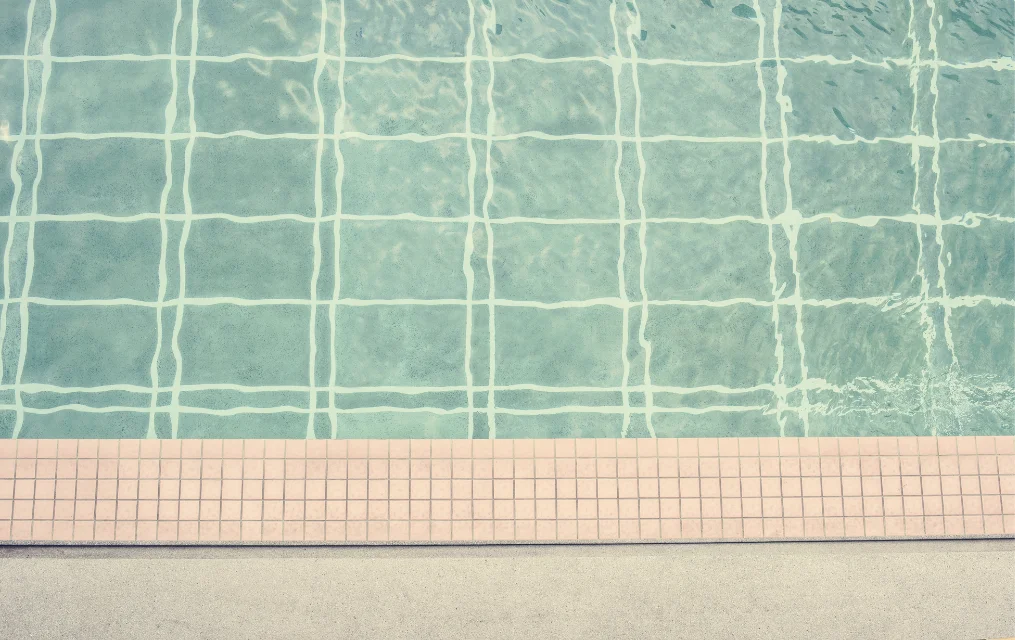
You remove your pool cover and find several waterline tiles missing. Others are cracked or ready to fall. Did winter cause the damage?
Freezing weather may be involved, but it is rarely the whole story. Water enters gaps, freezes, and pressures the materials holding tiles. Damaged grout or pool movement can make things worse. Understanding the cause helps prevent repeated repairs.
If you are considering inground pool repair in Kansas City, start by learning why tiles loosen and what a thorough inspection should uncover.
The Quick Answer Behind Loose Tiles
Pool tiles often pop off because moisture gets behind them and freezes. Expanding ice can weaken the bond with the pool wall. Cracked grout, coping gaps, and worn materials increase the risk.
Tile loss may also suggest structural movement. Repairs should address the cause, not just replace missing pieces.
How Winter Weather Damages Pool Tiles
Kansas City winters alternate between freezing and milder days. Near the waterline, surfaces may repeatedly get wet, freeze, and thaw.
Water enters tiny grout openings. When trapped moisture freezes, it expands. Repeated cycles can crack setting materials, leaving once-secure tiles loose by spring.
The waterline sits between submerged and exposed surfaces. Ice, precipitation, and changing water levels affect this area, but damage severity varies.
Five Reasons Pool Tiles Start Popping
Cracked Grout Lets Water Inside
Grout can crack, crumble, or separate from tile edges. These openings allow moisture underneath, where freezing can turn a minor weakness into visible damage.
Missing grout is worth checking even when nearby tiles still look secure.
Coping Gaps Expose Hidden Areas
Coping forms the finished edge around many inground pools. If joints near the coping deteriorate, water may travel behind the waterline tile. A damaged joint between the deck and pool can also allow unwanted movement or water entry.
Repeated tile loss in one spot calls for a coping inspection.
Aging Materials Lose Their Grip
Tiles rely on suitable setting materials and a sound surface beneath them. Years of moisture exposure and temperature changes can weaken an already compromised bond. Poor surface preparation or unsuitable installation products may contribute, too.
Reattaching tiles without correcting a failing base can result in another round of loose pieces.
Movement Creates Cracks Near Tiles
Decking, coping, and the pool shell may respond differently to temperature and ground movement. This can stress the tile band.
A straight crack running across several tiles needs more attention than one isolated chip. It may signal a problem below the finish.
Winter Water Levels Need Attention
Winterizing methods affect which surfaces face freezing. Improper water levels may expose vulnerable finishes, but no level suits every pool.
Follow recommendations for your specific pool, cover, and equipment. Never drain a pool simply because tiles have loosened.
Warning Signs Beyond Missing Pool Tiles
A few tiles on the pool floor are an obvious warning. Other clues may appear earlier. Look for:
- Grout that is cracked, missing, or powdery.
- Tiles that shift when gently touched.
- Hollow-sounding areas noticed during professional inspection.
- Gaps beneath coping or along deck joints.
- Cracks extending through several tiles or into nearby plaster.
- New water loss that cannot be explained by normal evaporation.
These clues do not confirm a diagnosis. Leaks, unstable coping, or damaged plaster may require further attention.
What To Do When Tiles Fall
Keep people away from sharp pieces. Collect accessible loose tiles safely, and save intact pieces for possible matching.
Photograph affected areas. Check visible grout and coping for gaps without prying tiles loose. Avoid household glue on unstable surfaces.
Most importantly, avoid draining the pool on your own. Improper draining can create serious problems, especially when groundwater conditions are unfavorable. Have the affected areas evaluated before choosing a repair.
When Repairs Are Better Than Replacement
Not every missing tile requires a complete renovation. If damage is limited and the base remains stable, targeted repairs may work after proper preparation.
If large sections are loose, plaster is deteriorating, or coping is unstable, broader work may be needed. That could include tile replacement, coping repair, resurfacing, or replastering. The right solution depends on what the inspection reveals.
This is why homeowners seeking inground pool repair in Kansas City should look beyond the visible tile line. Fixing the source of moisture or movement can be as important as restoring the appearance.
How Professional Pool Repair Can Help
A sensible repair starts with identifying what failed. A pool repair professional may inspect the tile band, grout, coping, nearby plaster, and signs of water intrusion. Depending on the findings, the work may involve removing failed materials, preparing a sound base, and installing compatible replacement tile and grout.
Where damage extends beyond the tile, related repairs may need to happen first. Proper materials and curing matter in wet, exposed areas.
Imber Pool & Outdoor – Kansas City offers tile and coping work, leak detection, resurfacing, replastering, and pool deck repairs. These options matter when damage extends beyond the waterline.
Why Homeowners Choose Imber for Repairs
Imber specializes in inground pool renovation and repair. Its service range makes it a practical choice when missing tiles appear alongside leaks, damaged coping, or worn plaster. The company works with residential and commercial pools.
Whether you need a focused repair or a larger renovation, the team can discuss options based on your pool’s condition. A well-planned repair can help restore its appearance and enjoyment without overlooking related concerns.
Simple Habits That Protect Pool Tile
You cannot control freezing weather, but routine checks can help you spot weaknesses before winter makes them worse.
- Inspect the waterline for loose grout, cracks, and shifting tiles.
- Check coping and nearby joints for separation or gaps.
- Address suspected leaks instead of repeatedly topping off the pool.
- Keep pool water chemistry within the ranges recommended for your finish.
- Arrange winterization based on your pool’s design and equipment.
- Recheck the tile band when opening the pool in spring.
These checks reduce risks, but cannot prevent every winter problem.
Common Questions About Winter Tile Damage
Can I Glue Loose Tiles Back?
A quick adhesive fix may not hold if moisture, cracked grout, or an unstable base caused the problem. Pool tiles need compatible installation materials and proper surface preparation. Have the area checked before reattaching tiles.
Does One Missing Tile Mean Bigger Damage?
Not necessarily. A single loose tile can be an isolated issue. However, repeated loss in the same location, long cracks, or loose coping may indicate a deeper problem that needs professional attention.
Should I Replace Every Waterline Tile?
Only if the condition warrants it. Localized damage may be repairable, while widespread bond failure or deteriorating materials can make replacement more practical. An inspection helps determine the appropriate scope.
When Should I Schedule Pool Tile Repairs?
Arrange an assessment when you discover loose or missing tiles, especially before regular swimming resumes. Early attention gives you time to address related grout, coping, or plaster problems before they become more disruptive.
Restore Your Pool With Imber’s Help
Missing tiles can make your pool look neglected, but appearances are only part of the concern. The right repair should account for what loosened them in the first place. That is how you move toward a safer, more attractive swimming space without overlooking nearby damage.
For inground pool repair in Kansas City, turn to Imber Pool & Outdoor. Our team handles tile and coping services alongside leak detection, resurfacing, replastering, and other inground pool repairs. We also offer pool renovations for homeowners who want to refresh more than the waterline.
Ready to enjoy your backyard again? request a quote to discuss your pool’s condition and the next steps.