Call Us TODAY: (417) 772-3184
When Does a Commercial Pool Need Replastering? A Guide for St. Louis Property Managers
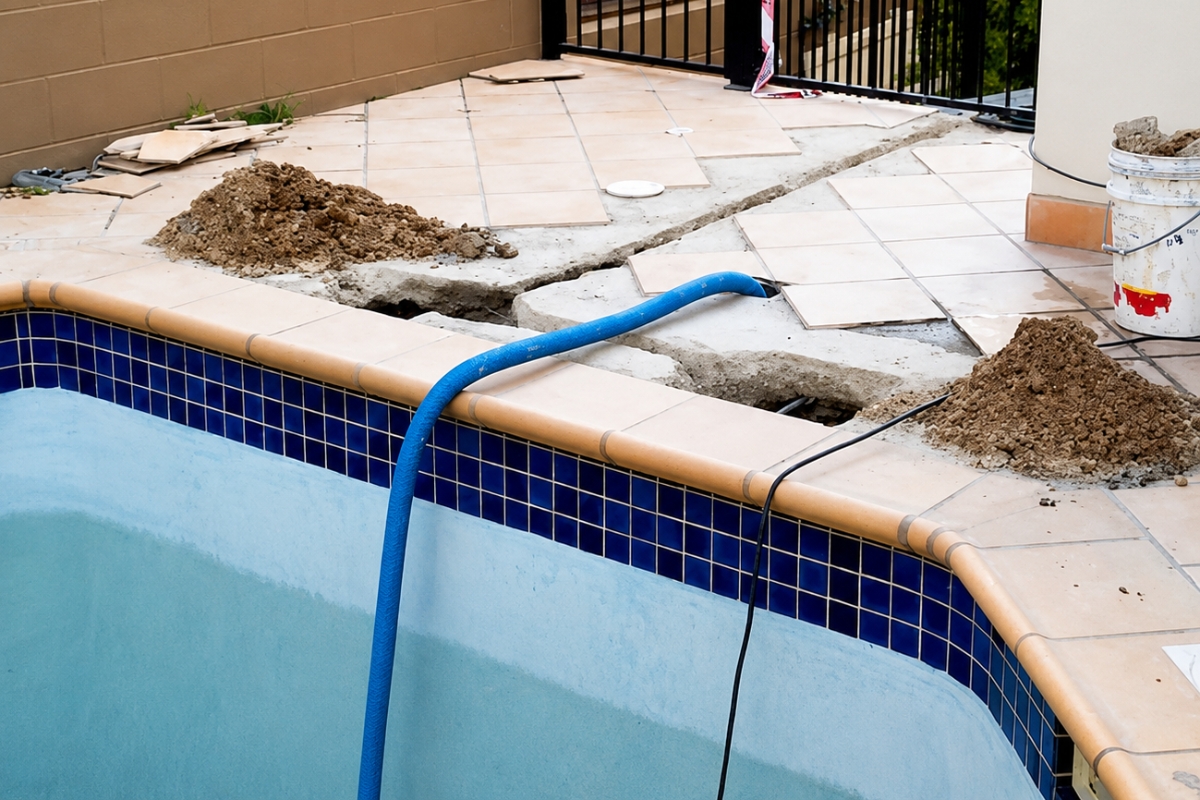
For hotels, apartment communities, HOAs, and municipal facilities in St. Louis, a commercial pool is a significant investment — and like any investment, it needs regular upkeep to hold its value. One of the most important (and most often overlooked) aspects of long-term pool care is replastering.
If you manage a commercial pool and haven’t thought much about the surface condition lately, this guide is worth your time. Here’s how to recognize when replastering is overdue, what the process looks like, and why putting it off costs more than it saves.
What Is Pool Replastering?
Pool plaster is the smooth, watertight interior finish that lines the shell of a gunite or concrete pool. It serves two functions: it keeps the pool watertight, and it creates the surface that swimmers and guests actually interact with. Over time, exposure to water, chemicals, and temperature changes causes plaster to break down. What was once smooth becomes rough and pitted. What was once white turns grey, stained, or blotchy.
Replastering involves draining the pool, removing the old plaster layer, preparing the underlying substrate, and applying a fresh coat of plaster or a modern aggregate finish. It’s not a cosmetic luxury — it’s essential maintenance for any pool that’s been in service for a decade or more.
Signs Your Commercial Pool Needs Replastering
Commercial pools experience more wear than residential ones, simply because more people use them. That means the signs of deterioration tend to show up sooner and progress faster. Here’s what to watch for:
Rough or abrasive pool surfaces. If swimmers are coming out of the pool with scrapes on their feet or damaged swimsuits, the plaster has eroded to the point where it’s a guest experience problem — and potentially a liability issue. A rough surface also harbors bacteria more readily than a smooth one.
Visible staining that won’t clean up. Some staining from minerals or algae can be treated chemically. But deep, widespread staining that doesn’t respond to treatment usually indicates the plaster itself has deteriorated. At that point, the only real fix is resurfacing.
Exposed gunite or aggregate. When the plaster has worn through entirely in spots, you’ll see the dark grey concrete or aggregate underneath. This is a clear sign the surface is past due for replacement. Exposed gunite also accelerates water loss and puts stress on the surrounding structure.
Cracks in the pool floor or walls. Hairline cracks can sometimes be patched, but widespread cracking — particularly if it follows a pattern — typically means the plaster has reached the end of its life and is contracting away from the shell. Cracks that allow dirt or visible staining to seep through are especially urgent.
Difficulty maintaining water chemistry. When plaster deteriorates, it leeches minerals into the water and makes it significantly harder to keep pH and alkalinity in balance. If your chemical costs have spiked or your pool tech is struggling to keep the water clear, the surface condition may be a contributing factor.
The Commercial Replastering Process
Commercial pool replastering follows a structured process, and understanding it helps property managers plan for the associated downtime.
Draining and preparation. The pool is fully drained and the old plaster is removed down to the gunite shell. The surface is then acid-washed to remove scale, mineral deposits, and any remaining plaster residue. Any hollow spots — areas where the old plaster has separated from the shell — are identified and repaired before new material is applied.
Surface preparation. A bonding substrate is applied to ensure the new plaster adheres properly and achieves maximum longevity. Structural cracks are addressed at this stage as well.
New plaster application. Fresh plaster is applied to the entire pool surface, ensuring a consistent finish throughout. Depending on the finish selected, this may be standard white plaster, a colored plaster blend, or a premium aggregate finish such as pebble or quartz, each of which carries different aesthetics, durability, and cost profiles. New drain covers, lighting fixtures, and other fittings are reinstalled at this stage.
Refill and startup. The pool is refilled and the water chemistry startup process begins. New plaster requires careful chemical management during the first few weeks to cure properly and achieve its full durability.
The entire process for a commercial pool typically takes one to two weeks from draining to reopening, though larger or more complex projects may take longer.
Planning for Downtime
For commercial properties, replastering means temporary pool closure — something that requires advance planning and clear communication with guests or residents. The best time to schedule commercial replastering in St. Louis is in the fall or early spring, outside of peak swim season.
Imber Pool & Outdoor in St Louis works with commercial property managers to schedule projects at times that minimize disruption and to complete the work efficiently so pools are back in service as quickly as possible.
Why Choose a Commercial Pool Specialist for Replastering
Not all pool contractors have experience with commercial replastering. The scale, the code requirements, and the stakes are different. A contractor who primarily handles residential pools may lack the equipment, the crew size, or the knowledge of commercial compliance standards needed to handle a large-scale commercial project correctly.
Imber Pool & Outdoor serves hotels, apartment complexes, HOAs, and municipalities throughout the St. Louis area with commercial repair and replastering services. Their process covers everything from the initial drain and surface inspection through final startup and warranty.
Frequently Asked Questions
How often does a commercial pool need to be replastered?
Commercial pools typically need replastering every 7 to 15 years, depending on usage levels, water chemistry management, and the type of plaster originally used. High-traffic pools may require resurfacing on the shorter end of that range.
How long will a commercial pool be out of service during replastering?
Most commercial replastering projects require the pool to be closed for 7 to 14 days, including the drain, preparation, plaster application, refill, and initial water chemistry startup. Larger pools or those with significant structural repairs may take longer.
What are the different plaster finish options for commercial pools?
The most common options are standard white plaster (the most economical), colored plaster blends, quartz aggregate finishes (more durable and stain-resistant), and pebble aggregate finishes (the most premium option for longevity and aesthetics). Your contractor can help you weigh cost, durability, and appearance for your specific property.
Can cracks in a commercial pool be repaired without full replastering?
Minor, isolated cracks can sometimes be patched as a temporary measure. However, if cracking is widespread or the plaster has deteriorated significantly, full replastering is the only long-term solution. Repeated patching on a deteriorated surface typically costs more over time than a full resurfacing.
What happens if I delay commercial pool replastering?
Delaying replastering leads to progressively worse surface conditions, increased water loss through porous plaster, higher chemical consumption, difficulty maintaining clean and safe water, and potential liability issues if the rough surface injures a swimmer. In most cases, the longer replastering is postponed, the more expensive the eventual repair becomes.