Call Us TODAY: (417) 772-3184
Pool Filter Not Working Properly? Signs Your Filter Needs Repair or Replacement
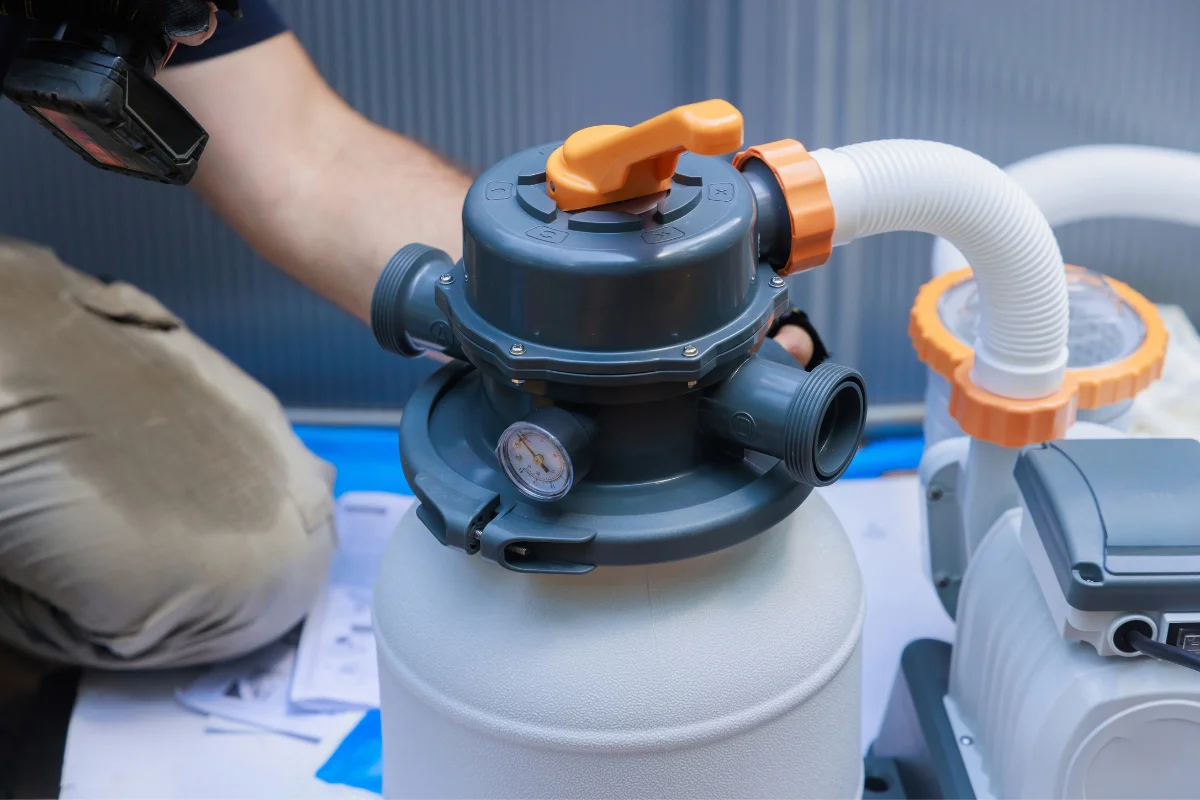
A pool filter works quietly in the background, but it plays a major role in keeping pool water clear and manageable. When filtration begins to fail, homeowners may notice cloudy water, unusual pressure readings, weak circulation, or debris returning to the pool.
For homeowners in St. Louis, Missouri, nearby communities, and the Greater St. Louis area, seasonal temperature changes can also put pool equipment through demanding conditions. Recognizing filter trouble early can help prevent a smaller equipment problem from affecting the rest of the circulation system.
If you are considering swimming pool repair in St. Louis, understanding whether the filter needs cleaning, repair, or replacement is an important first step. Imber Pool & Outdoor in St. Louis works with homeowners evaluating pool equipment problems, repairs, upgrades, and broader renovation needs.
How Can You Tell If a Pool Filter Is Not Working Properly?
A pool filter may need attention when water remains cloudy despite proper chemistry, circulation becomes weak, filter pressure changes unexpectedly, or debris returns through the pool jets.
Not every filtration problem requires replacing the entire filter. Dirty filter media, damaged internal components, blocked plumbing, worn seals, or circulation problems can produce similar symptoms. A proper inspection helps identify the actual source before parts are replaced.
Here are nine signs worth watching-
1. Pool Water Stays Cloudy
Cloudy water is one of the most noticeable signs of a filtration problem.
Water chemistry should be checked first, as improper sanitizer levels, pH imbalances, algae, and other conditions can affect clarity. However, if the chemistry is within the appropriate range and the water remains cloudy, inadequate filtration may be contributing.
A dirty cartridge, clogged filter media, damaged internal component, or circulation issue can prevent suspended particles from being removed effectively.
2. Filter Pressure Is Consistently Too High
Your pressure gauge provides useful information about resistance inside the filtration system.
Pressure commonly rises as debris accumulates in the filter. If the reading remains unusually high after appropriate cleaning or backwashing, there may be a restriction elsewhere in the system.
Possible causes include clogged filter media, a return-side restriction, or an internal filter problem. Avoid assuming the gauge alone identifies the cause. The entire circulation path may need evaluation.
3. Filter Pressure Is Unusually Low
Low pressure can also indicate trouble.
Instead of excessive resistance within the filter, low pressure may indicate reduced water flow to the pump and filtration system. A clogged skimmer basket, a blocked pump basket, a low pool water level, an air leak, or a plumbing obstruction may be involved.
If basic maintenance does not correct the reading, further inspection may be necessary.
4. Water Flow From the Return Jets Feels Weak
Your pool’s return jets should provide noticeable circulation when the system is operating normally.
Weak flow may develop when water cannot move efficiently through the filter or another part of the circulation system. A heavily contaminated filter element can restrict flow, but pump and plumbing problems can create similar symptoms.
Checking the system as a whole is important because replacing a filter will not correct a separate suction or pump problem.
5. Debris Returns to the Pool Through the Jets
Seeing dirt or fine debris enter the pool through return fittings deserves attention.
The filter is intended to capture particles before water returns to the pool. When debris bypasses filtration, an internal component may be damaged, improperly seated, or deteriorated.
The specific cause depends partly on whether the system uses a cartridge, sand, or diatomaceous earth filter. Internal inspection can determine whether an individual component can be repaired or whether a larger replacement is more appropriate.
6. The Filter Tank or Connections Are Leaking
Water around the equipment pad should not automatically be dismissed as splash or rain.
Leaks can develop around fittings, unions, drain plugs, seals, valves, or other connections. Determining exactly where water originates is important before attempting a repair.
A leaking fitting or seal may require a relatively limited repair. Damage to the filter tank itself requires more careful evaluation because it operates under pressure. Do not attempt to open or service a pressurized filter.
7. The Filter Needs Cleaning Far More Often Than Before
Every pool filter requires routine maintenance. A sudden change in cleaning frequency, however, may indicate another issue.
Heavy debris, algae, environmental conditions, or increased pool use can place more demand on filtration. If the filter repeatedly becomes restricted soon after cleaning, the filter media may be deteriorating, or another pool condition may be overloading the system.
This is where professional swimming pool repair in St. Louis can help distinguish between a maintenance issue and equipment failure. Call our team today if repeated filter problems are making routine pool care difficult. Imber Pool & Outdoor – St. Louis can evaluate the equipment and determine what may require attention.
8. Filter Components Show Visible Wear or Damage
Physical deterioration should not be ignored. Depending on the filter design, inspection may reveal cracked cartridges, damaged grids, worn O-rings, broken internal parts, deteriorated valves, or corrosion around components.
Some parts can be replaced individually. More extensive deterioration may make replacing the filter assembly a more practical option, depending on equipment condition and compatibility.
9. Problems Return Soon After Cleaning or Repair
A filter that repeatedly loses performance after maintenance may require a more thorough evaluation.
Recurring cloudy water, pressure problems, leaks, or circulation issues can indicate that routine cleaning is no longer addressing the underlying cause.
Before replacing the filter, a contractor can evaluate the pump, plumbing, valves, filter media, pressure gauge, and other related components. This reduces the risk of replacing equipment when another part of the circulation system is responsible.
Does Your Pool Filter Need Repair or Replacement?
The decision depends on what has failed. Repair may be appropriate when the problem involves a replaceable seal, gauge, valve, cartridge, grid, or another serviceable component. Replacement may be warranted when the filter tank is damaged, compatible components are difficult to obtain, several parts are deteriorating, or the existing system no longer meets the pool’s circulation requirements.
Filter type also matters. Cartridge, sand, and diatomaceous earth systems use different filtration media and maintenance procedures.
A contractor can review the equipment condition, identify the filter type, check system pressure and flow, and discuss repair or replacement options without assuming that a complete replacement is automatically necessary.
Why St. Louis Pool Owners Should Consider Seasonal Filter Care
Pools in Missouri experience changing seasonal conditions. Freezing weather makes proper winterization particularly important, as water left in vulnerable equipment or plumbing can cause damage.
Spring reopening is also a useful time to inspect the equipment pad. Check for leaks, unusual sounds, pressure changes, damaged fittings, and filtration problems before the pool enters periods of heavier use.
Leaves, pollen, storms, and other outdoor debris can also increase the workload placed on a filtration system during the swimming season.
When Should You Call a Pool Professional?
Basic homeowner maintenance can include emptying baskets, monitoring pressure, maintaining water chemistry, and cleaning the filter according to its operating requirements.
Professional evaluation becomes more appropriate when problems repeatedly return, the filter tank leaks, components are damaged, pressure remains abnormal after maintenance, or the source of poor circulation is unclear.
Filters operate as part of a connected system that includes the pump, suction plumbing, valves, return lines, and other equipment. Diagnosing these components together can provide a clearer picture than treating each symptom separately.
Get Your Pool Filtration System Back on Track
A struggling filter can affect water clarity, circulation, and the amount of maintenance your pool requires. Cloudy water, changing pressure, weak returns, leaks, visible damage, and recurring filtration problems are all reasons to investigate the system rather than continually repeating the same maintenance steps.
If you need swimming pool repair in Missouri, Imber Pool & Outdoor can help evaluate your filter and related pool equipment. Whether the issue calls for a repair, equipment replacement, maintenance, or a broader pool update depends on the condition of your existing system.
If you are planning pool repairs or improvements in the Greater St. Louis area, contact the team to discuss your concerns and explore appropriate options for your property.
Frequently Asked Questions
Why is my pool still cloudy after cleaning the filter?
Cloudy water can result from filtration, circulation, water chemistry, algae, or suspended particles. If cleaning the filter does not improve clarity, check the water chemistry and circulation system before assuming the filter needs replacement.
How do I know if my pool filter is clogged?
A clogged filter may cause increased pressure and reduced flow from the return jets. The filter condition, debris levels, and the manufacturer’s cleaning procedure should be checked before concluding that a component has failed.
Why does my pool filter pressure keep rising?
Pressure can rise as debris accumulates and restricts water movement through the filter. If pressure increases again soon after proper cleaning, the filter media or another part of the circulation system may need to be inspected.
Can a damaged pool filter be repaired?
Some problems involving seals, gauges, cartridges, grids, valves, and other serviceable components may be repairable. The appropriate solution depends on the filter type, the location of the damage, component availability, and the overall condition of the equipment.
Why is dirt coming back into my pool after filtering?
Debris returning through the jets can indicate damaged or improperly positioned internal filter components. The cause varies among cartridge, sand, and diatomaceous earth filters, so identifying the filter type is an important diagnostic step.
Should I repair my pool filter before opening the pool for summer?
Spring pool opening is a practical time to inspect filtration and circulation equipment. Addressing leaks, damaged components, unusual pressure, or weak circulation before periods of heavier pool use can make ongoing maintenance easier.