Call Us TODAY: (417) 772-3184
Pool Repair for Your Springfield Home: Expert Tips From a Pool Builder
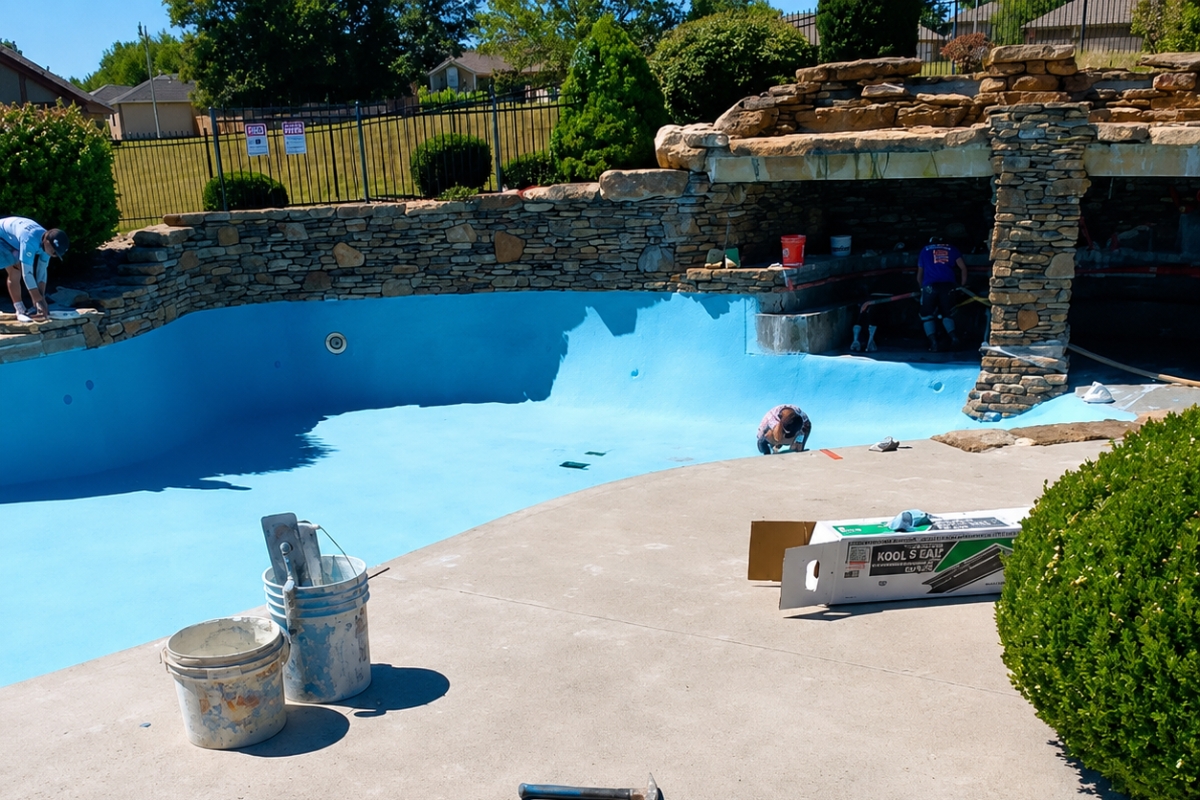
A backyard pool is a major investment, but like any outdoor feature, it needs regular attention to stay safe, efficient, and enjoyable. Small issues such as cracked plaster, loose tiles, minor leaks, or outdated equipment can quickly become expensive repairs if they are ignored. Understanding what to watch for and when to bring in a professional can help protect both your pool and your property.
If you’re researching swimming pool builders in Springfield, it’s helpful to understand how professional repair work differs from temporary fixes. The right repair approach restores structural integrity, improves performance, and extends the life of your pool. Whether your pool shows visible damage or simply isn’t operating as it should, these expert recommendations can help you make informed decisions.
Why Pool Repairs Should Never Be Delayed
Minor pool problems rarely stay minor for long. A small crack can allow water to escape, increasing water bills while weakening the surrounding structure. Worn seals, damaged plumbing, or failing equipment can also reduce water circulation and place additional strain on your filtration system.
Addressing issues early helps:
- Prevent structural damage
- Reduce long-term repair costs
- Maintain safe water quality
- Improve energy efficiency
- Extend the lifespan of pool equipment
- Preserve your property’s value
Routine inspections make it easier to catch these issues before they develop into major restoration projects.
Common Signs Your Pool Needs Professional Attention
Many homeowners don’t notice problems until the damage becomes obvious. Knowing the early warning signs can save considerable time and money.
- Visible Cracks or Surface Damage
Hairline cracks in plaster, concrete, or decking may seem harmless but can allow water to penetrate deeper layers of the structure. Surface damage should always be evaluated before it spreads.
- Water Level Drops Faster Than Normal
Evaporation is expected, but significant water loss may indicate a plumbing leak, damaged shell, or faulty fittings that require professional diagnosis.
- Loose or Missing Tiles
Tiles help protect the pool shell while creating a finished appearance. Missing grout or loose tiles often point to underlying movement or moisture problems.
-
Poor Water Circulation
Weak return jets, cloudy water, or debris collecting in one area may indicate pump, filter, or plumbing issues that reduce overall system performance.
- Equipment That Makes Unusual Noise
Grinding pumps, vibrating motors, or loud filters often signal worn mechanical components that should be repaired before complete equipment failure occurs.
Professional Tips From a Swimming Pool Installer
A swimming pool installer understands how every part of the pool system works together. These practical recommendations can help homeowners avoid unnecessary repairs.
Inspect Your Pool Every Week
Walk around the pool and look for:
- Cracks
- Loose coping
- Missing tiles
- Water stains
- Wet spots around equipment
- Rust or corrosion
Small visual inspections often reveal problems before they become expensive.
- Keep Water Chemistry Balanced
Improper chemical levels can damage plaster, tile, metal fixtures, pumps, heaters, and filters. Consistent testing protects both swimmers and pool materials.
- Don’t Ignore Small Leaks
Even slow leaks can erode soil beneath the pool, creating structural instability over time. Professional leak detection identifies the exact source before major damage occurs.
- Clean Filters Regularly
Dirty filters reduce circulation and force pumps to work harder. Regular cleaning helps equipment operate efficiently while maintaining better water quality.
- Schedule Seasonal Equipment Checks
Professional inspections before and after peak swimming season allow technicians to identify worn components, replace aging parts, and verify that every system is operating correctly.
Repairs That Should Always Be Left to Professionals
Many online tutorials make repairs appear simple, but pools contain structural, hydraulic, and electrical systems that require specialized knowledge.
Professional repair services commonly include:
- Structural crack repairs
- Leak detection
- Tile replacement
- Coping repairs
- Plaster resurfacing
- Plumbing repairs
- Pump replacement
- Filter repairs
- Heater servicing
- Automation system diagnostics
When searching for swimming pool builders in Springfield, choose professionals who understand both new construction and long-term maintenance. A builder who knows how pools are constructed is often better equipped to identify the root cause of repair issues instead of only addressing visible symptoms.
Preventive Maintenance Helps Reduce Future Repairs
Regular maintenance remains the most reliable way to avoid unexpected repair bills. Preventive care protects both the appearance and performance of your pool throughout the year.
A swimming pool installer typically recommends:
- Weekly water testing
- Routine equipment inspections
- Seasonal filter maintenance
- Professional leak checks
- Surface cleaning
- Prompt repair of minor damage
- Periodic plumbing evaluations
These simple steps significantly reduce the likelihood of major structural or equipment failures.
When Is the Best Time for Swimming Pool Repair?
Many homeowners wait until the swimming season begins before addressing problems. Unfortunately, repair schedules often become much busier during warmer months.
Planning swimming pool repair in Springfield before peak season offers several advantages:
- Repairs can be completed before heavy pool use.
- Contractors often have greater scheduling flexibility.
- Equipment can be tested before temperatures rise.
- Small repairs are less likely to become larger structural projects.
If you notice changes in water level, unusual equipment performance, or visible damage, it’s better to schedule an inspection sooner rather than later.
Choosing the Right Pool Professional Matters
Not every contractor approaches repairs the same way. Look for professionals who conduct thorough inspections, explain the cause of the problem, recommend appropriate repair options, and prioritize long-term performance over temporary fixes.
Whether you’re planning maintenance, renovations, or swimming pool repair in Springfield, selecting a knowledgeable swimming pool installer can make a significant difference in the quality and durability of the work. A professional inspection often identifies hidden issues before they become costly emergencies.
Get A Quote Today
Keeping your pool in excellent condition starts with addressing small problems before they become major repairs. From structural concerns and equipment issues to routine maintenance, professional guidance helps protect your investment for years to come.
If you’re looking for swimming pool builders who understand both construction and long-term pool care, Imber Pool & Outdoor in Springfield is ready to help with dependable repair solutions and ongoing maintenance. Call us today to discuss your pool repair needs and keep your backyard ready for every swimming season.
Frequently Asked Questions
How do I know if my pool needs professional repair?
Visible cracks, leaking water, loose tiles, cloudy water, or equipment problems are all signs that your pool should be inspected. Early repairs usually prevent more serious damage.
Can a small pool leak become a major problem?
Yes. Even a slow leak can weaken the surrounding soil and affect the pool’s structure over time. Finding and repairing leaks early helps avoid larger repairs.
How often should my pool be professionally inspected?
A complete inspection at least once a year is recommended. Additional inspections are helpful before and after the main swimming season.
Is it safe to repair cracks in the pool myself?
Surface cleaning may be manageable, but structural cracks should always be evaluated by a professional. Improper repairs can allow damage to continue beneath the surface.
How long does a typical pool repair take?
The timeline depends on the type of repair. Minor equipment repairs may take a day, while structural work or resurfacing can require several days.
What maintenance helps prevent future pool repairs?
Regular water testing, equipment inspections, filter cleaning, leak detection, and prompt attention to minor damage all help reduce future repair needs.
Should I repair my pool before summer?
Yes. Completing repairs before peak swimming season allows time for proper testing and helps ensure your pool is ready when you want to use it most.