Call Us TODAY: (417) 772-3184
Step-by-Step: What Inground Pool Installation Looks Like in St. Louis
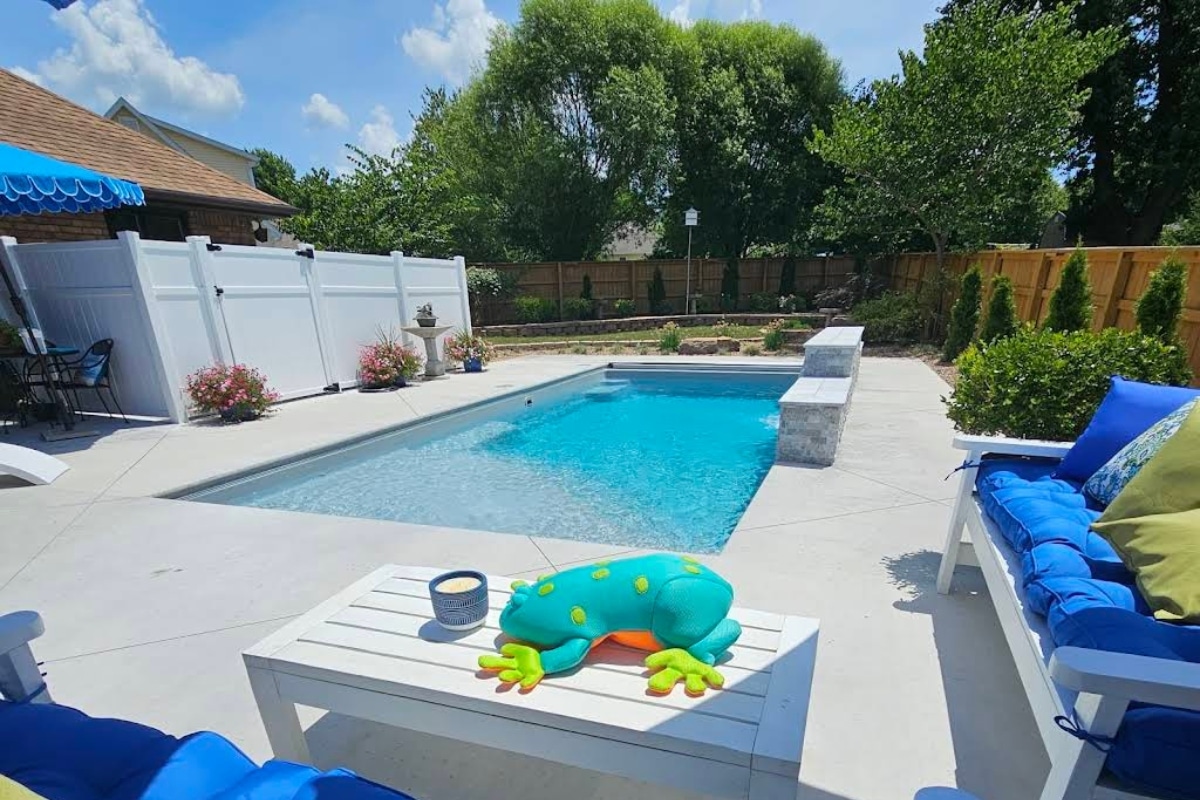
Adding a pool to your backyard sounds exciting until you start wondering what the actual installation process looks like. How long does it take? What happens after you sign the contract? Will your yard be torn apart for months?
These are valid questions, especially when you are preparing to make a major investment in your home.
The good news? A professionally managed pool project should feel organized, not chaotic. When you work with the right contractor, every phase is clearly planned, communicated, and executed with your property in mind.
At Imber Pool & Outdoor, homeowners across St. Louis trust our team because we handle everything from design planning to final walkthroughs. We build fiberglass pools, gunite pools, vinyl pools, and plunge pools based on what works best for your property and lifestyle, not a one-size-fits-all recommendation. We also help property owners create complete backyard spaces with custom features designed around their goals.
Want to learn more about the steps involved in in-ground pool installation? Read this blog till the end.
Ready to Start Planning Your Backyard?
A great pool project starts long before excavation begins. If you are thinking about upgrading your backyard, now is the right time to speak with a team that can guide you through every step with clarity and confidence.
Step 1: Initial Consultation and Backyard Assessment
This is where your project officially begins.
During your first meeting, the pool builder will learn more about:
- Your backyard size and layout
- How do you plan to use the pool
- Your preferred pool style
- Features you may want
- Existing landscaping or structural limitations
- Your overall project goals
Some homeowners want a simple place to cool off during hot St. Louis summers. Others want a full outdoor entertainment setup with spas, fire features, waterfalls, patios, or outdoor kitchens.
Your contractor should evaluate your yard carefully before recommending a design. Things like slope, drainage, utility lines, soil conditions, and accessibility all matter during installation.
Skipping this stage often leads to expensive surprises later.
Step 2: Choosing the Right Pool Type
Not every homeowner needs the same type of pool. Here are multiple inground options available:
- Fiberglass pools: Known for faster installation timelines
- Gunite/concrete pools: Offers more design flexibility
- Vinyl liner pools: Can be a practical solution for many homeowners
- Plunge pools: Works well for smaller yards or homeowners who want compact luxury
Each option offers different advantages depending on:
- Installation timeline
- Maintenance preferences
- Design flexibility
- Long-term durability
- Backyard size
A good contractor helps you choose based on your needs, not what is easiest for them to install.
Step 3: Custom Design and 3D Planning
This is where your vision starts feeling real.
Many homeowners struggle to picture how a pool will actually fit into their yard. That is why design planning matters.
At this stage, your contractor may help you map out:
- Pool dimensions
- Shape
- Depth
- Decking materials
- Water features
- Lighting
- Landscaping
- Seating areas
- Outdoor living additions
Imber’s design-build approach allows homeowners to create one cohesive outdoor plan instead of hiring multiple contractors for separate tasks.
This phase helps prevent design mistakes before construction starts.
Step 4: Permits and Pre-Construction Preparation
This step is not exciting, but it is critical.
Before digging begins, permits often need approval from local municipalities.
This may include:
- Zoning approvals
- Property line verification
- HOA approvals
- Utility checks
- Construction permits
- Safety compliance requirements
Your contractor should handle this process for you.
In St. Louis, permit timelines can vary depending on your municipality, which is why working with a local contractor matters.
Step 5: Excavation Begins
This is when homeowners finally see real progress.
Heavy equipment arrives to excavate your backyard based on the approved design plans.
During excavation:
- Soil is removed
- Pool dimensions are shaped
- Ground is leveled
- Site adjustments are made if needed
This stage can look messy for a short period, but it moves quickly when handled by experienced crews.
Step 6: Structural Installation
This phase depends on the type of pool you choose.
- For fiberglass pools: The pre-manufactured shell is delivered and carefully lowered into place.
- For gunite pools: Steel reinforcement is installed first, followed by the sprayed concrete application.
- For vinyl pools: Wall panels and liners are installed after the structure is prepared.
This is one of the most important stages of in-ground pool installation in St. Louis that homeowners should understand because structural precision directly impacts long-term performance.
Step 7: Plumbing and Electrical Work
Once the shell is installed, your pool’s operational systems are added.
This includes:
- Pumps
- Filtration systems
- Plumbing lines
- Heaters
- Lighting systems
- Water features
- Automation systems
Proper installation here helps prevent future maintenance headaches.
Step 8: Decking, Coping, and Backyard Features
This is where your pool begins to transform into a full-blown backyard destination.
Homeowners often add:
- Concrete decking
- Paver patios
- Fire pits
- Outdoor kitchens
- Waterfalls
- Seating walls
- Landscaping upgrades
Imber Pool & Outdoor specializes in complete outdoor transformations, not just pools, which helps homeowners create a more functional backyard experience.
Step 9: Final Inspection and Water Fill
Before your pool is ready, final inspections may be required.
Once approvals are complete:
- The pool is cleaned
- Systems are tested
- Water is added
- Chemicals are balanced
- Equipment is reviewed
Your contractor should walk you through how everything works before project completion.
Step 10: Your First Swim
This is the part homeowners look forward to most.
After weeks of planning and construction, your backyard becomes the place where summer memories happen.
From family cookouts to relaxing evenings outdoors, your investment starts paying off immediately.
How Long Does Inground Pool Installation Take?
Every project is different.
However, most pool projects typically take anywhere from several weeks to a few months, depending on:
- Pool type
- Permit approvals
- Weather conditions
- Custom features
- Site complexity
Fiberglass pools are often installed faster than fully customized concrete builds.
Why St. Louis Residents Choose Imber Pool & Outdoor
Homeowners want more than a contractor that simply digs a hole.
They want:
- Clear communication
- Strong design expertise
- Quality workmanship
- Honest timelines
- Long-term value
Imber Pool & Outdoor in – St Louis provides custom pool installation, design-build planning, and complete outdoor living solutions that help homeowners create lasting backyard spaces.
Take the First Step Toward Your New Pool
A pool installation should feel exciting, not overwhelming.
At Imber Pool & Outdoor, we help property owners throughout St. Louis and the surrounding areas design and build outdoor spaces that feel like a true extension of their homes. Whether you are leaning toward fiberglass pools or exploring other inground options, our team is here to make the process smooth from start to finish.
Reach out today and start building the backyard you have been thinking about for years.
Frequently Asked Questions (FAQs)
How long does an inground pool installation take in St. Louis?
Most projects take several weeks to a few months, depending on permits, weather, pool type, and custom features. Fiberglass pools are typically faster, while heavily customized projects may take longer.
What type of inground pool lasts the longest?
Fiberglass, gunite, and vinyl pools all offer durability when installed properly. Lifespan depends heavily on maintenance, material quality, and professional installation.
Do I need permits to install a pool?
Yes. Most municipalities require permits for residential pool construction. Your contractor should manage this process for you.
Can I add features like waterfalls and fire pits later?
Yes, but planning these features during the initial design stage usually creates better results and avoids future construction costs.
Is my backyard too small for an inground pool?
Not necessarily. Smaller backyards may still work well for plunge pools or compact designs.
What happens if bad weather delays installation?
Rain can impact excavation and construction schedules. A reputable contractor should communicate delays clearly and adjust timelines accordingly.
Can Imber Pool & Outdoor help with more than just the pool?
Yes. They also help homeowners build complete outdoor spaces that may include patios, kitchens, water features, and other backyard upgrades.