Call Us TODAY: (417) 772-3184
Why Is Your Commercial Pool Losing Water? Problems Beyond an Obvious Leak

For hotels, apartments, fitness centers, HOAs, and other facilities, unexplained water loss can quickly become an operating concern. It can increase water use, disrupt chemical balance, strain equipment, and indicate damage not visible from the deck. If your commercial pool needs frequent refilling, the cause may be more than an obvious crack or a dripping pipe.
Property managers seeking commercial pool repair in Springfield need to consider the entire circulation and structural systems. Imber Pool & Outdoor in Springfield provides repair services, including leak detection, plumbing, pump and heater repairs, resurfacing, plaster work, tile, and deck repairs.
How Much Water Loss Is Too Much?
Every pool loses some water through evaporation, splash-out, backwashing, and routine use. The problem begins when the water level falls faster than conditions and usage reasonably explain.
A commercial pool may experience greater splash-out because many swimmers use it each day. Hot, dry, or windy weather can also accelerate evaporation. However, repeated top-offs, unexplained chemical changes, damp areas, or equipment that behaves differently deserve attention.
A simple bucket test may help distinguish evaporation from abnormal loss, but it cannot identify every plumbing, shell, or equipment problem. High-use facilities often benefit from a professional system inspection because several minor issues can occur simultaneously.
1. Underground Plumbing Can Lose Water Without Leaving a Visible Puddle
Return lines, suction lines, and other buried plumbing can develop cracks, failed joints, or damaged fittings. Because these pipes are underground, escaping water may move into soil instead of appearing on the deck.
Watch for unusually fast water loss when the circulation system is running, air entering the pump, reduced return flow, or persistent wet soil. Changes in nearby decking can also justify investigation.
Professional leak detection helps narrow down where water is escaping before unnecessary demolition begins.
2. Pump, Filter, and Equipment Connections May Be the Source
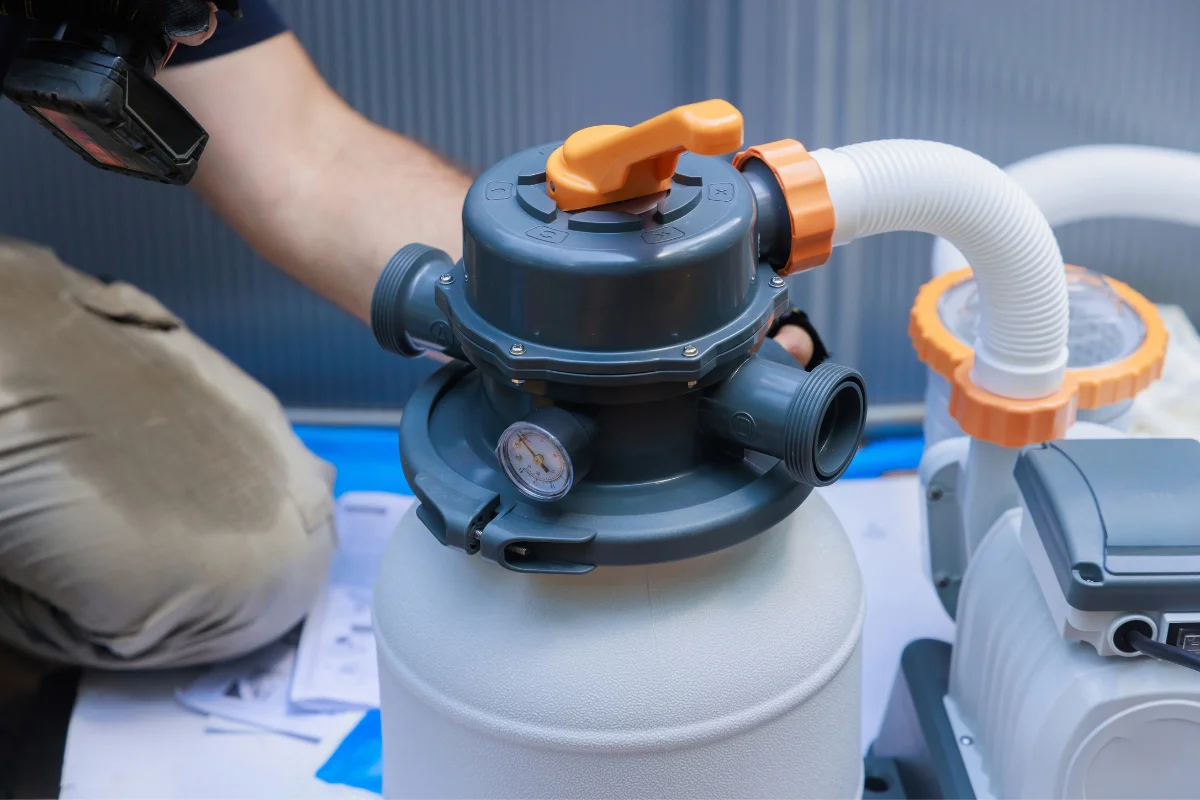
The equipment area deserves close inspection. Pump seals, filter components, valves, unions, drain plugs, and PVC connections can release small amounts of water that add up over time.
Some equipment leaks appear only when the system is operating under pressure. Others may evaporate quickly on warm equipment pads, making them easy to overlook.
Facility staff should look for mineral deposits, corrosion, damp concrete, dripping connections, and unexplained pressure changes. These clues can help a technician isolate the affected component.
3. A Damaged Pool Surface Can Allow Gradual Water Loss
Cracks, deteriorated plaster, hollow areas, and aging finishes may signal a surface or structural problem. A tiny visible crack does not always reveal the full extent of the issue underneath.
Freeze-thaw cycles, ground movement, age, and long-term wear can contribute to surface deterioration. Springfield properties should pay particular attention after winter or major seasonal temperature changes.
Imber Pool & Outdoor handles repair, plastering, replastering, resurfacing, and related restoration work. When commercial pool repair in Springfield is needed, assessing both the visible finish and the underlying condition can help determine an appropriate repair approach.
4. Skimmers, Drains, Lights, and Fittings Can Develop Hidden Failures
Every penetration through the pool shell creates a potential failure point. Skimmers, main drains, return fittings, lights, and other fixtures depend on seals, gaskets, or surrounding materials to remain watertight.
Water loss that slows at a particular level can sometimes provide a useful clue. For example, if the level repeatedly stabilizes near a fitting, that area may warrant closer testing.
Technicians may use targeted testing methods to isolate suspected points rather than relying solely on what is visible.
5. Automatic Fill Systems Can Hide the Problem
An automatic fill system can keep the waterline looking normal while a leak continues. That convenience can delay detection because staff may never notice the level dropping.
Instead, the warning may appear as higher water bills, increased chemical demand, longer equipment operation, or unexpectedly frequent fill-valve activity.
Facility managers should track water consumption and compare it with occupancy, weather, maintenance activity, and historical usage. A sudden unexplained increase can justify a closer inspection.
6. Backwash and Waste Lines May Be Sending Water Away
A faulty multiport valve, damaged seal, or waste-line issue can allow treated water to leave the circulation system. Because the discharge point may be located away from the equipment room, the loss may go unnoticed.
Check whether water continues flowing through a waste or backwash line when the system is set to normal filtration. Persistent discharge should be evaluated rather than treated as routine water use.
Why Fast Diagnosis Matters for a Commercial Facility
Unresolved water loss affects more than the water bill. Constant replacement water can alter water chemistry and increase the demand for treatment chemicals. Equipment may also operate under unfavorable conditions if water levels or circulation become unstable.
For a hotel, apartment community, HOA, school, or recreation facility, prolonged repair issues can also disrupt schedules and access for guests or residents.
The goal is not simply to add more water. It is to identify whether the source is operational, mechanical, plumbing-related, or structural and repair the underlying cause.
What Should You Do When Water Loss Keeps Returning?
Start by recording the water level at the same time each day. Note weather, swimmer volume, backwashing, maintenance, and automatic-fill activity. Inspect the equipment area and visible surfaces for obvious warning signs.
If the pattern continues, schedule a professional evaluation. Avoid repeatedly topping off the water without investigating why it is disappearing. The longer a hidden problem continues, the greater the chance that related surfaces, equipment, or surrounding areas may also need attention.
Stop Unexplained Water Loss Before It Disrupts Operations
Persistent water loss should not become part of normal facility maintenance. Finding the source early can help property managers plan repairs, reduce unnecessary water use, and avoid recurring operational problems.
For commercial pool repair in Springfield, contact Imber Pool & Outdoor to schedule an evaluation. The team provides leak detection and a range of repair and renovation services for pool surfaces, plumbing, pumps, heaters, tile, and surrounding areas.
Frequently Asked Questions
Why does my commercial pool keep losing water when I cannot see a leak?
Water can escape through underground plumbing, fittings, equipment connections, waste lines, or damaged surfaces. Imber Pool & Outdoor can evaluate potential sources and recommend repairs based on the test results.
Can evaporation cause a noticeable drop in water level?
Yes. Heat, wind, low humidity, and heavy use can increase evaporation and splash-out. A consistent loss beyond what is expected under normal conditions should be investigated rather than automatically attributed to weather.
Can an automatic filler hide a water-loss problem?
Yes. It can prevent water from escaping before staff notices a falling waterline. Imber Pool & Outdoor recommends monitoring water usage and fill-system activity when unexplained consumption increases.
Does a crack always mean water is leaking?
No. Not every visible crack leaks, and some water-loss points are hidden. Testing helps determine whether a crack, a fitting, a plumbing line, or an equipment component is responsible.
What repair services are available for a commercial pool?
Depending on the problem, work may include leak detection, PVC pipe repair, pump or heater repair, plastering, resurfacing, tile work, and deck repair. Imber Pool & Outdoor offers these types of repair and renovation services.
Should a property manager keep adding water until repairs can be scheduled?
Routine top-offs may temporarily maintain the waterline, but they do not address the cause. Ongoing loss should be documented and inspected, especially if water consumption or chemical demand increases.
When should I arrange a professional inspection?
Arrange an inspection when unexplained loss continues, water bills rise, equipment behaves differently, or wet areas and surface damage appear. Imber Pool & Outdoor can assess the system and help determine the next repair step.