Call Us TODAY: (417) 772-3184
What Should Be Included in a Pool Remodeling Estimate? A Homeowner’s Checklist
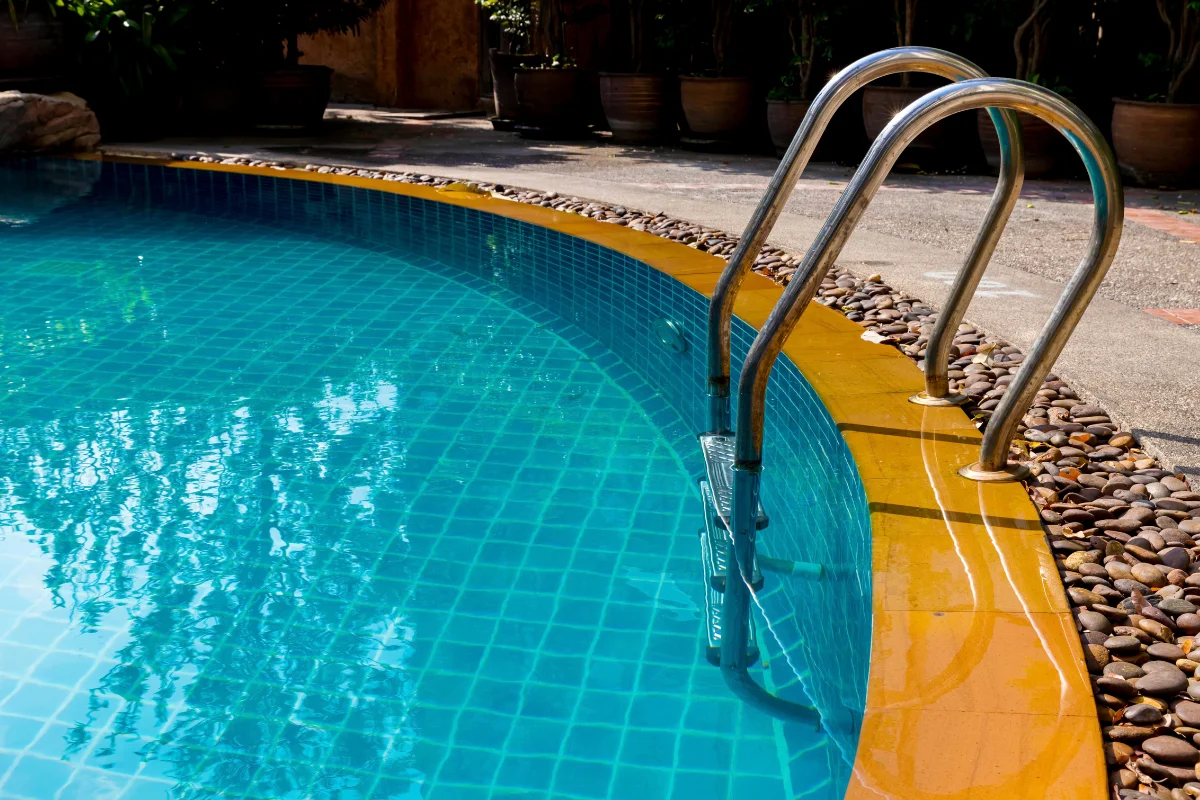
Updating an aging swimming pool can improve its appearance, correct worn components, and make the entire backyard more enjoyable. However, before work begins, homeowners need to understand exactly what they are paying for.
A detailed pool remodeling estimate should provide more than one total price at the bottom of a page. It should explain the proposed work, materials, equipment, labor, schedule, and potential additional expenses.
For homeowners comparing pool remodeling companies in St. Louis, the level of detail in each estimate can make a significant difference. Imber Pool & Outdoor in St. Louis works with homeowners on pool and outdoor projects based on their goals, budget, and property needs.
Here is a practical checklist for reviewing an estimate.
1. Clear Description of the Existing Pool
A contractor should understand the pool’s current condition before determining what work is necessary.
The estimate or associated proposal should identify important existing conditions, including:
- Pool type, size, shape, and approximate dimensions
- Condition of the interior surface
- Cracked, loose, or damaged coping
- Deck condition
- Visible leaks or structural concerns
- Plumbing and drainage concerns
- Existing pump, filter, heater, and lighting
- Features that will remain, change, or be removed
An on-site assessment gives the contractor a better basis for developing the scope than relying solely on photographs or approximate measurements.
2. An Itemized Scope of Work
The scope is one of the most important parts of a pool remodeling estimate. It tells you what the contractor intends to do.
Rather than accepting a broad description such as “renovate existing pool,” look for individual tasks.
Depending on the project, these may include draining the pool, removing old finishes, surface preparation, repairing damaged areas, replacing coping, installing a new interior finish, upgrading equipment, changing lighting, repairing decking, or adding water features.
The proposal should also make clear what is not included. This can reduce confusion when comparing contractors.
3. Materials and Finish Selections
Material choices can significantly affect the final project price. Your estimate should identify the materials included in the quoted amount whenever selections have already been made. Examples may include plaster or other interior finishes, tile, coping, decking materials, fixtures, drains, and equipment.
Ask whether the quoted materials are standard selections or upgrades.
If you have not selected finishes yet, the estimate should explain any allowances. An allowance is a budgeted amount for a material that will be selected later. Understanding it helps prevent surprises if your final choice ends up costing more.
4. Labor, Removal, and Disposal
Homeowners sometimes focus on visible materials and overlook everything required to install them.
Ask whether labor is included and whether demolition, hauling, cleanup, and disposal are part of the price.
For example, replacing coping may require removing the existing material before new coping can be installed. Resurfacing may require substantial preparation before the new finish is applied.
A thorough estimate accounts for the work needed before, during, and after installation.
5. Pool Equipment and System Upgrades
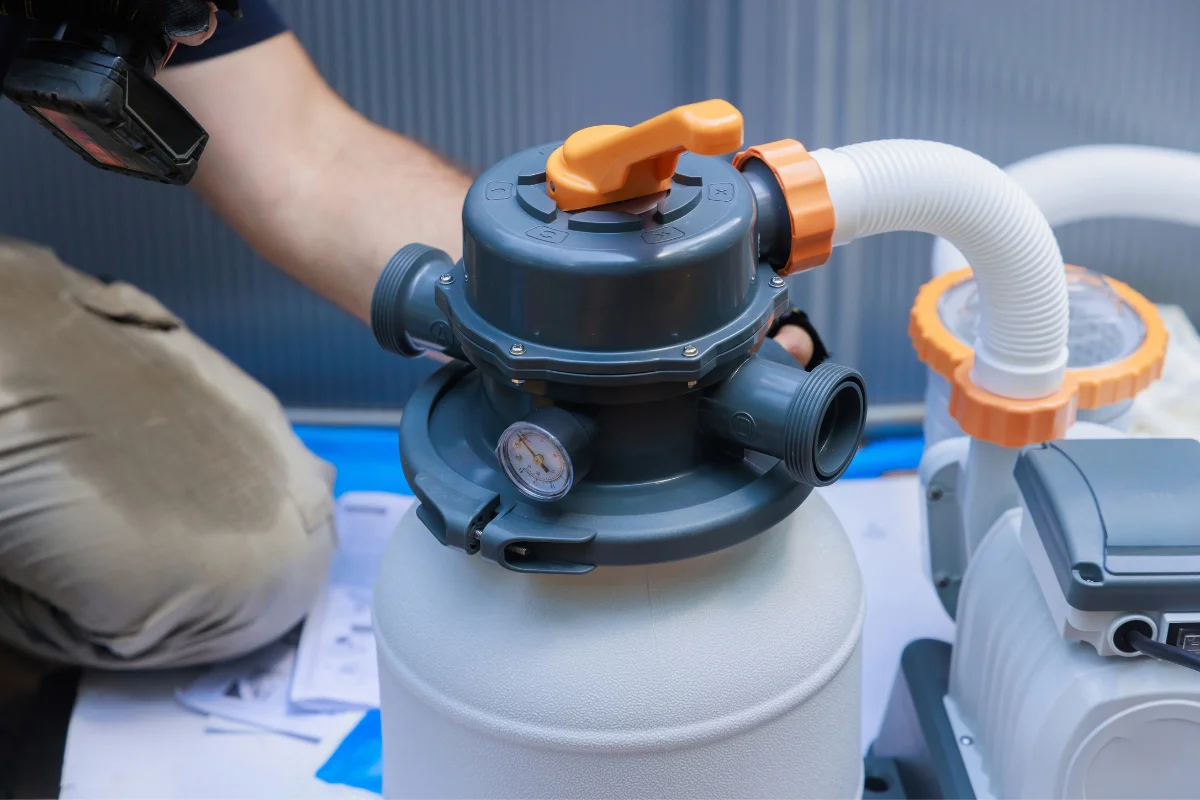
Renovation can be a practical time to evaluate older pool systems. Your proposal should clearly state whether pumps, filters, heaters, automation, lighting, plumbing components, or other equipment are being replaced.
For every included equipment upgrade, request the manufacturer, model, or specification when available, quantity, installation requirements, and warranty information.
This information makes estimates easier to compare because two contractors may quote very different equipment.
6. Permits, Inspections, and Code-Related Work
Some projects may require permits or inspections depending on their scope and jurisdiction.
The estimate should state who is responsible for permit applications and fees. It should also identify known electrical, plumbing, structural, or safety-related work required for the proposed project.
Local requirements can vary, so homeowners should avoid assuming permit costs are automatically included.
7. Decking, Coping, and Surrounding Features
The project may extend beyond the waterline. If your renovation involves decking, steps, coping, fire features, spas, waterfalls, or other outdoor improvements, make sure each element is described separately.
When comparing pool remodeling companies in St. Louis, examine whether competing estimates cover the same amount of work. A lower total can be misleading when one proposal excludes surrounding improvements included in another.
We provide pool and outdoor construction services and can incorporate multiple outdoor elements into a broader design plan.
8. Estimated Project TimelineYour proposal should provide a reasonable projected schedule.
Look for information on the anticipated start date, major stages, and estimated completion period. Ask what circumstances could change that schedule.
Weather, material availability, inspections, hidden damage, and approved changes can affect construction timelines. A realistic schedule is more useful than an unexplained promise of completion.
9. Payment Schedule
Do not review only the total price. Review when payments become due.
The estimate or contract should explain the deposit and subsequent payments. Ideally, payment milestones should correspond with clearly identified stages of the work.
Also check the terms covering change orders. If you request additional work after construction begins, you should understand how that work will be documented and priced.
10. Potential Additional Costs
Even careful planning cannot expose every concealed condition.
Ask the contractor what happens if workers discover deteriorated plumbing, structural damage, electrical issues, or other problems after demolition begins.
A reliable estimate should explain how unforeseen work is handled rather than leaving the process unclear.
11. Warranty Information
Ask what warranties apply to workmanship, materials, finishes, and installed equipment.
Manufacturer warranties and contractor workmanship warranties are not necessarily the same. Get the applicable terms in writing and understand whom to contact if a problem arises.
Your Final Estimate Checklist
Before approving a pool remodeling proposal, confirm that you can identify:
- Existing pool conditions
- Detailed project scope
- Materials and finish selections
- Labor charges
- Demolition and disposal
- Equipment specifications
- Permit responsibilities
- Decking and coping work
- Project schedule
- Payment milestones
- Change-order procedures
- Potential exclusions
- Warranty terms
If important information is missing, ask for clarification before signing.
Make Your Pool Project Easier to Plan
A detailed estimate allows you to compare scope, materials, responsibilities, and long-term value rather than choosing solely by price.
Homeowners researching pool remodeling companies in St. Louis should look closely at what each contractor is actually proposing. Two estimates with different totals may represent completely different scopes of work.
If your existing pool needs a new finish, updated features, repairs, or a larger backyard transformation, contact Imber Pool & Outdoor in St. Louis to discuss your goals. A consultation can help define the project scope and give you a clearer path from an aging pool to an outdoor space that better suits your home.
Frequently Asked Questions
What should I bring to a pool renovation consultation?
Bring photos, previous pool records if available, equipment information, and a list of problems or changes you want addressed. Imber Pool & Outdoor in St. Louis can then discuss your goals and the existing space with you.
Should a pool estimate list materials separately?
It should clearly identify major materials and selections whenever possible. This makes it easier to understand what you are purchasing and compare competing proposals.
Can an estimate change after work begins?
Yes. Hidden damage or homeowner-requested additions can change the final price. Ask how change orders are approved, documented, and priced before construction begins.
Can I update the surrounding backyard at the same time?
Depending on your project, you may want to coordinate pool work with decking or other outdoor features. Imber Pool & Outdoor provides pool and outdoor construction services, so you can discuss the broader space during planning.
How should St. Louis homeowners compare contractors?
Compare the scope, materials, equipment, exclusions, schedule, payment terms, and warranties rather than focusing only on the final price. Imber Pool & Outdoor offers consultations for homeowners planning pool and outdoor projects.
Should permits appear in the estimate?
The proposal should clarify whether permits are required for the planned work and who handles related applications and costs. Requirements can depend on the scope and local jurisdiction.
When is the right time to request an estimate?
Request one once you have a reasonable idea of the problems you want corrected and the upgrades you are considering. An on-site consultation can help turn those ideas into a defined scope and budget.