Call Us TODAY: (417) 772-3184
What Happens During a Pool Renovation? Step-by-Step Process Explained

A swimming pool is more than just a place to cool off during warm weather. It is a part of your backyard, a space for family gatherings, and an important feature of your property. However, over time, pools can begin to show signs of aging. Cracked surfaces, outdated finishes, worn-out equipment, leaks, and damaged features can affect both the appearance and usability of your pool.
The good news is that an aging pool does not always need to be replaced. A professional renovation can restore its appearance, improve functionality, and help you enjoy your backyard space again.
For homeowners considering pool renovation & repair in Springfield, understanding the renovation process can make planning easier. From the initial inspection to the final improvements, each step helps transform an outdated pool into a refreshed and inviting outdoor feature.
At Imber Pool & Outdoor, we help homeowners throughout Springfield and surrounding areas improve their existing pools through renovation, resurfacing, repairs, and outdoor upgrades. Here is what you can expect during a pool renovation project.
Step 1: Pool Inspection and Project Evaluation
Every successful renovation begins with a detailed evaluation of the existing pool. Before recommending improvements, professionals assess the current condition of the pool structure, surface, equipment, and surrounding areas.
During this stage, the renovation team looks for issues such as:
- Cracks or damage in the pool surface
- Leaks or water loss concerns
- Worn-out plaster or pool finishes
- Damaged tiles or coping
- Aging pumps, filters, or other equipment
- Outdated features that affect pool enjoyment
This inspection helps determine which repairs and upgrades are needed. Some pools may only require surface improvements, while others may benefit from larger updates involving equipment, finishes, or additional features.
A proper evaluation also helps homeowners understand their renovation options before the project begins.
Step 2: Planning the Pool Renovation Design
Once the pool’s condition is evaluated, the next step is creating a renovation plan. This stage focuses on improving both the appearance and functionality of the pool while considering the homeowner’s goals.
Some common renovation improvements include:
- Pool resurfacing or replastering
- Updated tile and coping
- Equipment upgrades
- Improved lighting
- Water features
- Deck improvements
- Modern design updates
The goal of renovation is not only to fix existing problems but also to create a pool that better fits your lifestyle. Whether you want a refreshed look or improved performance, planning ensures each upgrade serves a purpose.
Imber Pool & Outdoor provides pool and outdoor design solutions that help homeowners create functional and attractive backyard spaces.
Step 3: Preparing the Pool for Renovation
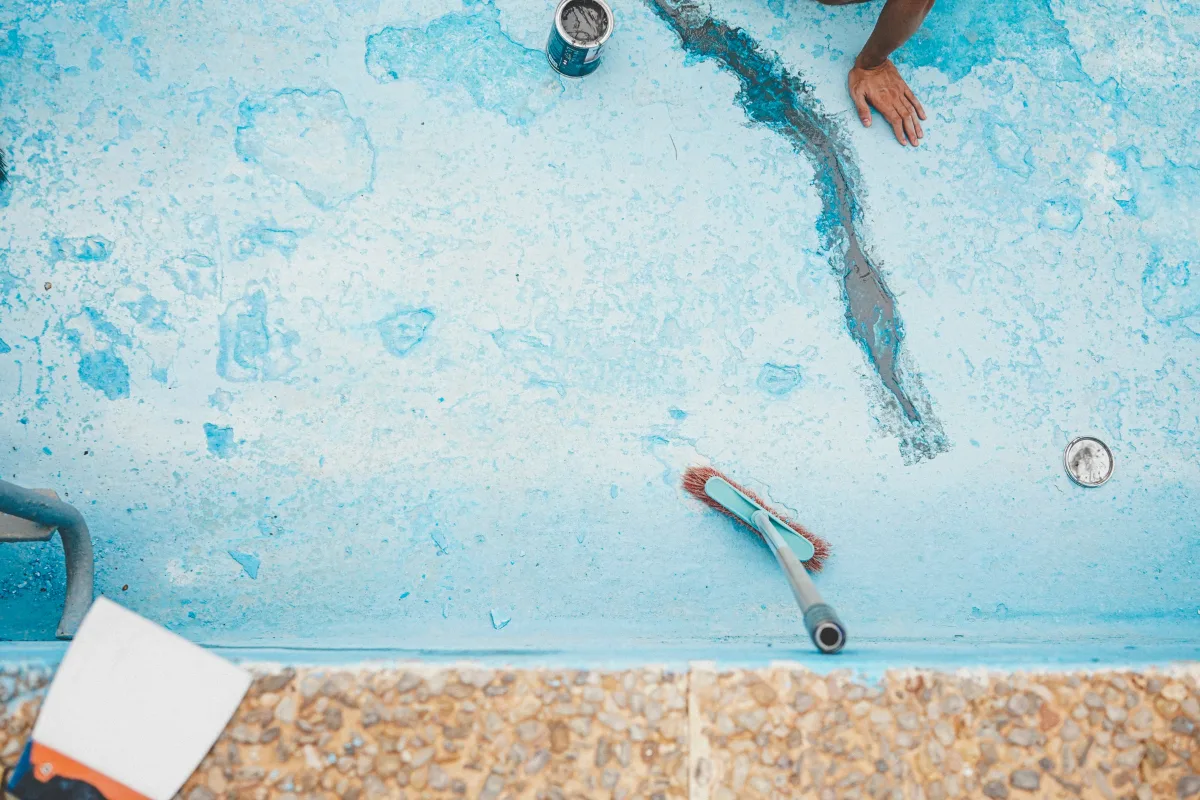
Before renovation work begins, the pool area must be prepared properly. This may involve draining the pool, removing damaged materials, and preparing surfaces for repairs or upgrades.
Preparation can include:
- Draining water from the pool when required
- Removing old finishes or damaged materials
- Cleaning and inspecting surfaces
- Protecting surrounding landscaping and outdoor areas
Proper preparation creates a strong foundation for renovation work. It also helps ensure new materials bond correctly and provide lasting results.
Step 4: Repairing Structural and Surface Issues
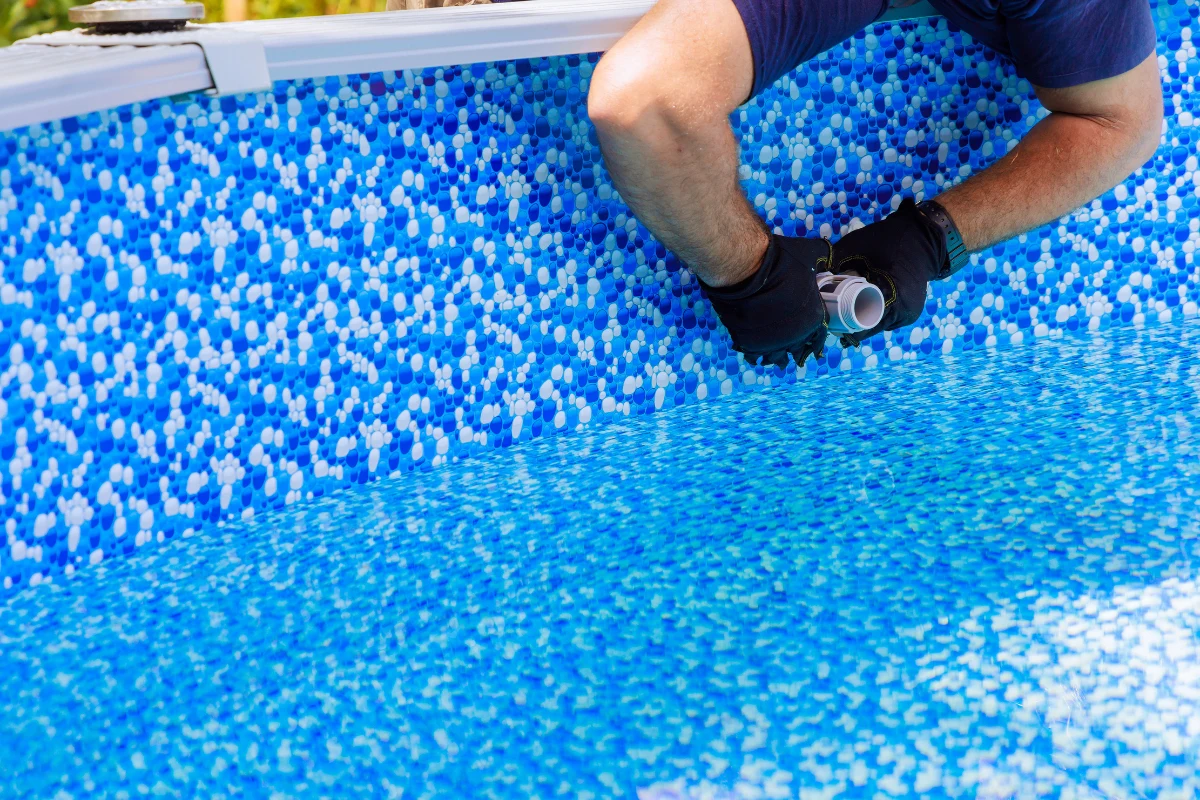
After preparation, the renovation team begins addressing the existing problems with the pool.
Depending on the condition of your pool, repairs may involve:
Pool Resurfacing and Replastering
Pool surfaces naturally wear down over time due to chemicals, weather exposure, and regular use. Resurfacing or replastering can restore a smoother, cleaner appearance while improving the overall condition of the pool interior.
Leak Detection and Repairs
Water loss can indicate underlying issues that need attention. Professional leak detection helps identify problem areas so necessary repairs can be completed before moving forward with additional improvements.
Tile and Coping Repairs
Damaged tiles or worn coping can make a pool look outdated and may create maintenance concerns. Replacing or repairing these elements can improve the appearance and safety of the pool area.
Addressing these issues during renovation helps prevent recurring problems and improves the overall pool experience.
Step 5: Installing Upgrades and Modern Features
Many homeowners choose renovation as an opportunity to upgrade their pool with newer features. These improvements can make the pool easier to maintain, more enjoyable, and better suited for modern outdoor living.
Popular pool renovation upgrades include:
- Energy-efficient pool equipment
- Updated lighting systems
- New finishes and design elements
- Enhanced water features
- Improved pool surroundings
For many homeowners, renovation provides the chance to transform an older pool into a more comfortable backyard retreat without completely rebuilding the space.
Step 6: Final Touches and Quality Review
Once repairs and upgrades are completed, the final stage focuses on reviewing the finished project. The renovation team checks that all improvements have been completed properly and that the pool is ready for use.
This stage may include:
- Final surface inspections
- Equipment testing
- Cleaning the pool area
- Checking water circulation systems
- Reviewing care recommendations
A final walkthrough allows homeowners to understand their renovated pool and learn how to maintain it moving forward.
How Long Does a Pool Renovation Take?
The timeline for a pool renovation depends on the size of the project and the improvements being completed. Smaller updates may take less time, while larger renovations involving resurfacing, repairs, and multiple upgrades can require a longer schedule.
Factors that influence renovation timelines include:
- Pool size and condition
- Type of repairs needed
- Materials selected
- Weather conditions
- Scope of upgrades
Working with a professional pool contractor helps homeowners create realistic expectations and prepare for each stage of the process.
Why Choose Imber Pool & Outdoor for Pool Renovation?
Choosing the right contractor plays an important role in the success of your renovation project. Homeowners need a team that understands pool construction, repairs, and outdoor transformations.
Imber Pool & Outdoor works with homeowners to improve existing pools through renovation and repair services designed around their goals. The company provides pool solutions including renovation, replastering, resurfacing, leak detection, and other pool improvements.
With experience in designing and building outdoor spaces, Imber Pool & Outdoor focuses on creating backyard environments that improve comfort, appearance, and functionality.
Whether your pool needs surface repairs, updated features, or a complete refresh, having a trusted team helps ensure the renovation process moves smoothly from start to finish.
Refresh Your Existing Pool With Imber Pool & Outdoor
An older pool does not have to become a forgotten part of your backyard. With the right improvements, renovation can restore its appearance, address existing issues, and create a space your family can enjoy for years.
If you are considering pool renovation & repair in Springfield, Imber Pool & Outdoor can help you understand your options and plan the right improvements for your property. From repairs and resurfacing to complete pool upgrades, our team works to transform outdated pools into beautiful outdoor spaces.
Contact Imber Pool & Outdoor today to discuss your pool renovation needs and take the first step toward refreshing your backyard.
Frequently Asked Questions
1. How do I know if my pool needs renovation instead of simple repairs?
A pool may need renovation when problems go beyond minor repairs. Signs such as damaged surfaces, outdated designs, recurring leaks, worn-out equipment, or multiple repair needs may indicate that a larger renovation project is a better option. A professional evaluation can help determine the right solution for your pool.
2. How much does a pool renovation cost in Springfield?
The cost of a pool renovation depends on several factors, including the size of the pool, the condition of existing features, required repairs, materials selected, and the upgrades you want to add. A pool contractor can evaluate your pool and provide recommendations based on your renovation goals.
3. How long does a pool renovation project usually take?
The timeline varies depending on the scope of work. Simple updates may take less time, while projects involving resurfacing, repairs, equipment upgrades, or multiple improvements may require a longer schedule. Weather conditions and material availability can also affect completion times.
4. Can I upgrade my pool during a renovation?
Yes, pool renovation is an ideal time to add upgrades and improve your pool’s functionality. Homeowners often choose improvements such as updated finishes, new lighting, upgraded equipment, water features, and other design enhancements to create a more enjoyable backyard space.
5. Is resurfacing included in pool renovation services?
Pool resurfacing is one of the common improvements included in many renovation projects. Over time, pool surfaces can become worn, stained, or damaged. Resurfacing can help restore the appearance of the pool interior while improving its overall condition.
6. How often should an existing pool be renovated?
The need for renovation depends on factors such as pool age, maintenance history, materials used, and signs of wear. Many pools require updates as surfaces, equipment, and features begin showing noticeable deterioration. Regular inspections can help identify when renovation may be needed.
7. Why should I hire a professional pool renovation company instead of handling repairs myself?
Pool renovation involves structural repairs, specialized materials, equipment systems, and proper installation techniques. Working with a professional pool renovation company helps ensure the project is planned correctly and completed with attention to safety, durability, and long-term performance.