Call Us TODAY: (417) 772-3184
Renovate or Rebuild? What to Do With an Aging Inground Pool
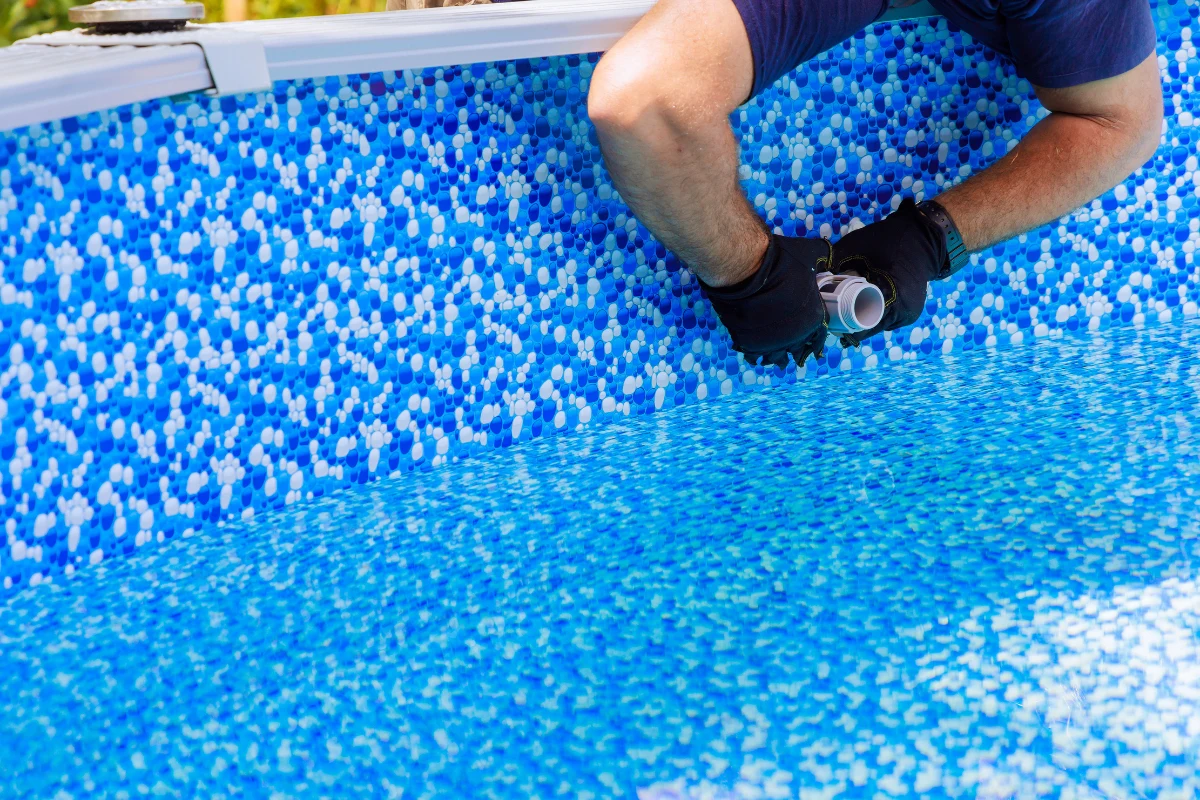
An inground pool can be one of the most enjoyable features of a St. Louis backyard. But after years of Missouri summers, freezing winters, regular use, and ongoing exposure to chemicals, even a well-maintained pool can begin to show its age. Cracks may appear, plaster can become rough, tiles can loosen, equipment may become unreliable, and the entire pool can start looking dated.
At that point, homeowners often face an important question: Should you renovate the existing pool or rebuild it?
The answer depends on the condition of the pool structure, the extent of the damage, the performance of its equipment, and what you want from the space going forward. For homeowners considering pool renovation in St. Louis, understanding these factors can make the decision much easier.
At Imber Pool & Outdoor – St Louis, we provide comprehensive renovation and repair solutions for residential and commercial in-ground pools. From leak detection and resurfacing to plaster, tile, coping, deck, pump, heater, and plumbing work, our goal is to help restore aging pools to reliable, enjoyable use.
Why Do Inground Pools Start Showing Their Age?
A pool does not need to be falling apart to qualify as aging. Sometimes the first warning signs are relatively small.
St. Louis pools must also deal with significant seasonal changes. Hot, humid summers are followed by cold winters and freeze-thaw cycles. Local conditions can gradually affect pool surfaces, decking, plumbing, and other components.
Some common signs of an aging in-ground pool include:
- Cracked, stained, or deteriorating plaster
- Frequent or unexplained water loss
- Damaged or loose pool tiles
- Worn or damaged coping
- Cracks or deterioration around the pool deck
- Aging pumps, heaters, or filtration equipment
- Plumbing or PVC pipe problems
- Rough or unattractive pool surfaces
- Repairs becoming more frequent
- An outdated appearance that no longer complements the backyard
One isolated issue does not necessarily mean your pool needs a major renovation. When several problems occur together, however, a broader evaluation can help determine the smarter long-term approach.
What Does Pool Renovation Actually Involve?
Our pool renovation in St. Louis goes beyond fixing one broken component. It can involve improving several areas of an existing pool to restore its appearance, operation, or both.
According to Imber Pool & Outdoor – St Louis, renovation and repair services can include leak detection, resurfacing, plastering and replastering, tile and coping work, pool deck repair, PVC pipe repair or replacement, filter maintenance, and pump and heater repair. The company also works with pool parts, equipment, and accessories, including pumps, sand filters, cartridge filters, and heaters.
This flexibility is important because every aging pool has a different combination of problems.
For example, a structurally usable pool with worn plaster, dated tile, and an aging pump may be an excellent candidate for renovation. Addressing those individual components can substantially refresh the pool without unnecessarily replacing everything.
When Does Renovating an Aging Pool Make Sense?
Renovation is often worth considering when the basic pool still works for your property but particular surfaces, systems, or surrounding areas need attention.
The Pool Layout Still Works for Your Family
Ask yourself whether you still like the size, depth, shape, and placement of your pool.
If the answer is yes, there may be little reason to abandon an existing structure simply because its finishes or equipment have aged. Renovation can concentrate the project on what actually needs improvement.
The Pool Surface Is Worn or Damaged
An aging pool interior is one of the most noticeable signs that renovation may be due.
Plaster can deteriorate over time, while stains and rough surfaces can make an otherwise functional pool feel neglected. Pool plastering, replastering, refinishing, or resurfacing may help renew the swimming area.
A professional assessment for pool renovation & repair in St. Louis can identify whether surface restoration is appropriate or whether deterioration indicates a more extensive underlying concern.
Tiles and Coping Need Attention
Pool tile and coping contribute to both appearance and functionality.
Missing, damaged, or deteriorated sections can make the entire pool look older than it is. Addressing these areas during a renovation allows homeowners to refresh visible finishes while correcting damaged components.
The Pool Is Losing Water
Unexplained water loss should never simply be accepted as part of owning an older pool.
Leaks can occur in different areas, and identifying the source is critical before deciding what type of repair is appropriate. Imber Pool & Outdoor – St Louis provides in-ground pool leak detection as part of its repair services.
Finding the problem early may prevent continued water loss and additional damage.
Equipment Has Become Unreliable
A pool can have an attractive shell but still become frustrating to own when the mechanical systems continually cause problems.
Pumps, filters, heaters, and plumbing components all play important roles in pool operation. Imber provides pump and heater repair, filter maintenance, PVC pipe repair and replacement, and access to different pool equipment and parts.
Updating or repairing these components may help extend the useful life of an existing pool.
When Should You Consider a More Extensive Rebuild?
Renovation is not automatically the right answer for every aging pool.
A more extensive rebuild may deserve consideration when the existing pool no longer meets your needs or when multiple major problems make incremental repairs impractical.
Consider discussing broader reconstruction options when:
- You want to significantly alter the pool’s existing layout.
- The current size or configuration no longer works for your household.
- Major problems affect several parts of the pool.
- Repairs have become frequent and repetitive.
- You want a substantial backyard redesign rather than surface-level updates.
- An inspection identifies problems that extend beyond normal finish or equipment deterioration.
The key is not to decide based only on how old the pool is.
Two pools of the same age can be in very different condition. A professional evaluation can help distinguish repairable deterioration from problems that justify a more extensive project.
Renovate or Rebuild? Ask These 5 Questions First
Before making the decision, consider these five practical questions.
1. What Is Actually Wrong With the Pool?
Start with diagnosis rather than appearance.
A pool that looks old may primarily need resurfacing and updated tile. Conversely, a pool that appears relatively normal could have a leak or equipment issue that needs attention.
2. Are Problems Limited or Widespread?
One failing component generally creates a different decision than simultaneous problems with plaster, decking, plumbing, equipment, and other areas.
Understanding the full scope prevents homeowners from repeatedly repairing symptoms without addressing the bigger picture.
3. Do You Still Like the Existing Pool?
If you enjoy the pool’s dimensions and location, preserving what already works can make sense.
If you have wanted a dramatically different pool for years, renovation alone may not accomplish your goals.
4. Which Components Can Be Restored?
A professional pool renovation assessment can identify which parts of the pool may be repaired, refinished, resurfaced, or replaced.
This creates a clearer project scope and allows homeowners to make decisions based on the actual condition of their pool.
5. What Will Make the Pool Easier to Enjoy Long Term?
Think beyond appearance.
Reliable equipment, repaired plumbing, a restored surface, improved decking, and corrected leaks can matter just as much as visual updates. A successful renovation should address how the pool functions as well as how it looks.
Why Choose Imber Pool & Outdoor – St Louis for Pool Renovation and Repair?
An aging pool can develop several problems at once. Cracks, worn surfaces, leaks, damaged tile, deteriorating coping, and equipment issues can all affect how your pool looks and performs. Working with one team that can address multiple renovation and repair needs can make the process easier to manage.
Imber Pool & Outdoor – St Louis provides a comprehensive range of pool renovation and repair solutions. Our services include:
- Pool leak detection: Identifying hidden leaks so the source of water loss can be located and addressed.
- Pool resurfacing: Renewing worn pool surfaces to improve their appearance and durability.
- Pool plastering and replastering: Restoring deteriorated or aging plaster to give the pool interior a refreshed finish.
- Pool tile and coping: Updating or repairing tile and coping around the pool to improve appearance and durability.
- Pool heaters and pumps: Addressing essential pool equipment that supports heating, water circulation, and overall pool performance.
- Pool deck and plaster repair: Repairing problems such as cracked concrete and worn plaster around the pool area.
Our approach to Pool Renovation & Repair St. Louis focuses on understanding the problems affecting your pool and determining which improvements are appropriate for its current condition. Whether the concern involves a leak, deteriorated surface, aging plaster, damaged tile and coping, pool equipment, or the surrounding deck, the goal is to restore both function and appearance.
For St. Louis homeowners with an aging in-ground pool, Imber Pool & Outdoor – St Louis provides renovation and repair solutions that can help make the pool safer, more attractive, and more enjoyable for the seasons ahead.
Do Not Wait for Small Pool Problems to Become Bigger Ones
Aging does not automatically mean your in-ground pool has reached the end of its useful life.
A leak may need detection and repair. Worn plaster may call for replastering or resurfacing. Damaged coping or tile may be addressed as part of a renovation. Aging equipment may need service or replacement. In many situations, dealing with these concerns before they worsen can help preserve more of the existing pool.
Regular maintenance is equally important. Staying ahead of deterioration can reduce the likelihood that smaller problems develop into more significant repair needs.
If you have noticed changes in water level, surfaces, equipment performance, plumbing, tile, coping, or decking, consider having the pool evaluated rather than waiting for another swimming season.
Give Your Aging Pool a New Chapter
An older pool does not always need to disappear to become enjoyable again. The right combination of repairs and updates may restore its appearance, improve its operation, and make the backyard feel refreshed.
If you are weighing renovation against a larger rebuild, Imber Pool & Outdoor – St Louis can help you understand the condition of your existing pool and the services available to address it. Our team handles everything from leak detection and equipment repair to plastering, resurfacing, tile, coping, plumbing, and pool deck work. Contact Imber Pool & Outdoor – St Louis or request a quote today to discuss your aging in-ground pool and explore the right renovation or repair approach for your backyard.
Frequently Asked Questions
1. Is It Better to Renovate an Old Pool or Build a New One?
It depends on the pool’s current condition, layout, and the extent of the damage. If the basic structure and design still meet your needs, resurfacing, replastering, equipment repairs, or other renovations may be appropriate. More extensive reconstruction may make sense when multiple major issues exist, or you want significant changes to the pool.
2. What Are the Most Common Signs That an Inground Pool Needs Renovation?
Common warning signs include cracked or rough plaster, persistent stains, damaged tile or coping, water loss, deck deterioration, plumbing problems, and unreliable pool equipment. Frequent repairs can also indicate that it is time to consider a more comprehensive renovation.
3. Can an Older Inground Pool Be Resurfaced Instead of Replaced?
In many cases, yes. If deterioration is primarily affecting the pool’s interior finish, resurfacing or replastering may restore the swimming surface without replacing the entire pool. A pool professional should inspect the pool first to determine whether additional repairs are necessary.
4. How Do I Know if My Pool Has a Leak?
Unexplained or unusually rapid water loss can indicate a leak, particularly when it continues beyond normal evaporation. Other signs may include wet areas around the pool or difficulty maintaining the water level. Professional leak detection can help locate the source and determine the appropriate repair.
5. Can Pool Equipment Be Updated During a Renovation?
Yes. Renovation can be a convenient time to evaluate pumps, filters, heaters, plumbing, and other pool components. Repairing or replacing aging equipment while other work is underway can address both the appearance and operation of an older pool.
6. What Parts of an Inground Pool Can Be Renovated?
Depending on its condition, renovation may involve plaster or resurfacing, tile and coping, pool decking, PVC plumbing, filters, pumps, heaters, and other components. Imber Pool & Outdoor – St Louis can evaluate different areas of the pool to determine which repairs or improvements are appropriate.
7. Who Should I Call for Pool Renovation and Repair in St. Louis?
Homeowners looking to restore an aging in-ground pool can contact Imber Pool & Outdoor – St Louis for an evaluation. The team provides pool renovation, leak detection, resurfacing, plastering, tile and coping work, deck repairs, plumbing services, and equipment repairs for pool owners throughout the St. Louis area.