Call Us TODAY: (417) 772-3184
Pool Repair vs. Replastering: What Springfield Homeowners Should Know
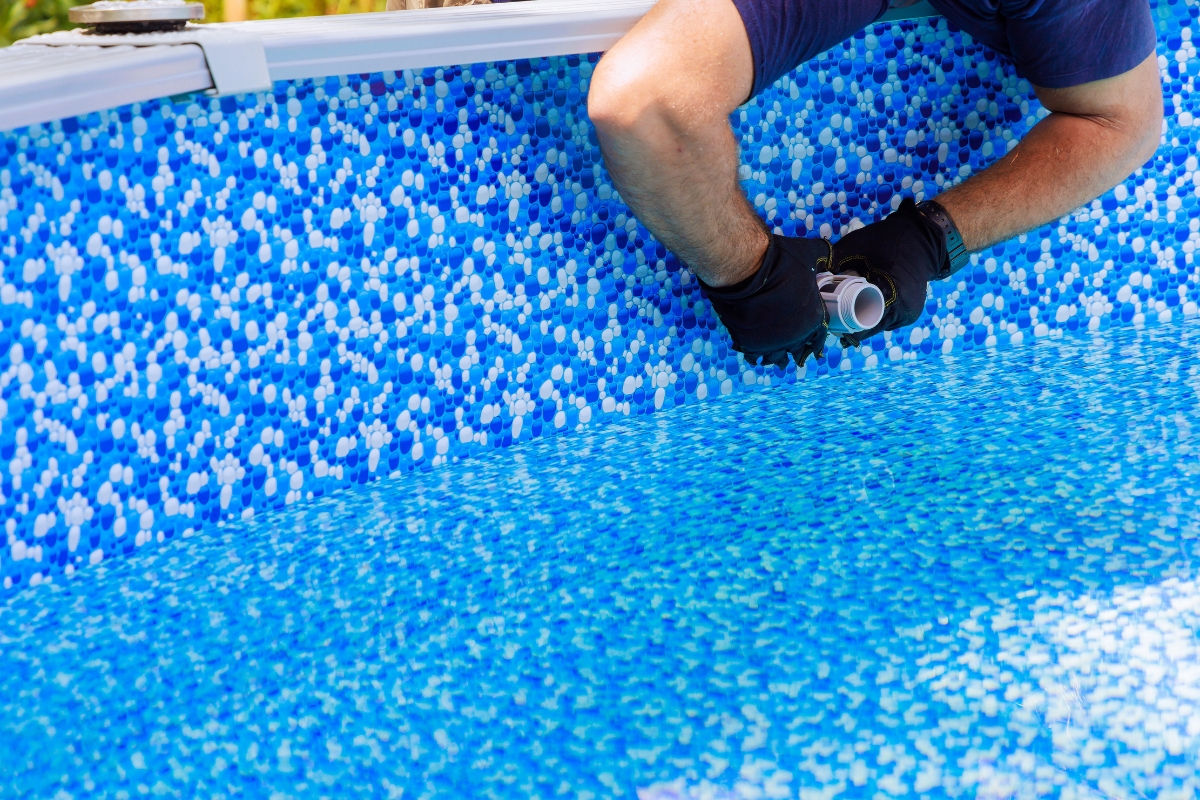
A backyard pool is one of the most enjoyable features of any home, but years of use, changing weather, and normal wear eventually take a toll. Small cracks, rough surfaces, stains, leaks, or damaged equipment can all affect how your pool looks and performs. The challenge for many homeowners is knowing whether a simple repair will solve the problem or if it’s time for a complete surface upgrade.
If you’re comparing pool repair & replastering in Springfield, understanding the difference can help you make a smarter investment before minor issues become expensive ones. At Imber Pool & Outdoor, homeowners receive practical guidance based on the condition of their pool, helping them choose the right solution for lasting performance and appearance.
Why Understanding the Difference Matters
Many pool problems appear similar on the surface, but their causes can be very different. A crack in the plaster may only require a localized fix, while widespread surface deterioration could indicate that replastering is the better long-term option.
Choosing the right service helps you:
- Avoid paying for unnecessary work
- Extend the lifespan of your swimming pool
- Improve safety for swimmers
- Maintain water quality
- Protect your property’s value
A professional inspection can identify the root cause before recommending the most appropriate solution.
What Is Pool Repair?
Pool repair focuses on correcting specific problems that affect the structure, equipment, or functionality of your swimming pool without replacing the entire interior finish.
Common issues include:
- Small structural cracks
- Minor plumbing leaks
- Broken pool lights
- Damaged coping or tile
- Malfunctioning pumps or filters
- Loose fittings or return jets
When these problems are addressed early, homeowners can often avoid larger restoration projects later.
What Is Pool Replastering?
Pool replastering involves removing the worn surface of a concrete or gunite pool and applying a brand-new finish. This process restores both appearance and protection.
A new plaster surface can:
- Create a smoother swimming experience
- Refresh faded or stained interiors
- Improve water-tightness
- Protect the underlying concrete shell
- Give the pool a like-new appearance
Replastering is typically recommended after years of normal wear rather than isolated damage.
Signs Your Pool May Only Need Repairs
Not every problem requires replacing the entire interior surface.
You may only need pool repair if you notice:
- A single visible crack
- Minor equipment failures
- Small plumbing leaks
- Loose or missing tiles
- Localized surface damage
- Water loss from a specific source
These issues can often be corrected without major renovation, especially when addressed promptly.
Signs It’s Time for Pool Replastering
The interior finish naturally wears down over time. Once the protective layer begins to fail, repairs alone may no longer provide lasting results.
You should consider pool replastering if you notice:
- Rough or abrasive surfaces
- Widespread staining that will not clean away
- Flaking or peeling plaster
- Multiple cracks throughout the finish
- Exposed aggregate or concrete
- An aging plaster surface nearing the end of its lifespan
Many Springfield homeowners choose this option to restore both beauty and long-term durability.
Can Repairs Delay Replastering?
If the plaster is still structurally sound, targeted pool repair can address isolated issues and extend the life of the existing finish for several more years.
However, repeated patching becomes less effective once deterioration spreads across large portions of the pool. At that stage, investing in pool replastering often delivers better long-term value than continuing temporary fixes.
When comparing pool repair & replastering in Springfield, a thorough inspection helps determine which option offers the greatest return for your investment.
Factors Springfield Homeowners Should Consider
Before deciding between the two services, think about several important factors.
Age of the Pool
Older pools naturally experience more surface wear. If the plaster has reached the end of its lifespan, replacement may be the more practical choice.
Extent of Damage
One isolated issue usually points toward pool repair, while widespread deterioration often indicates the need for a complete surface renewal.
Future Maintenance Goals
If you’re planning to enjoy your pool for many years, investing in a fresh interior finish may reduce ongoing maintenance needs.
Appearance
Surface discoloration, roughness, and fading can significantly affect your backyard’s overall appearance. Pool replastering restores a cleaner, more attractive finish.
Budget Planning
Smaller repairs generally require a lower upfront investment, while replastering provides a longer-lasting solution for aging pool surfaces.
Why Professional Evaluation Makes a Difference
Every swimming pool ages differently depending on construction, maintenance history, water chemistry, and environmental conditions.
Instead of guessing, schedule a professional inspection that evaluates:
- Structural integrity
- Surface condition
- Plumbing components
- Equipment performance
- Existing finish lifespan
This approach helps homeowners avoid unnecessary work while ensuring the recommended solution addresses the actual problem.
Protect Your Investment Before Problems Grow
Whether your pool needs a simple pool repair or complete pool replastering, acting early can prevent more extensive damage and higher restoration expenses later.
If you’re considering pool repair & replastering in Springfield, now is an excellent time to have your pool professionally evaluated. Imber Pool & Outdoor in Springfield can help determine the right solution for your pool’s condition and long-term performance. Call us today to request your quote and take the first step toward restoring your backyard with confidence.
Frequently Asked Questions
How do I know whether my pool needs repairs or replastering?
A professional inspection can determine whether the damage is isolated or affects the entire surface. Getting an evaluation early helps you choose the most practical solution. Call today to request a quote.
Can small cracks be repaired without replastering the whole pool?
Yes. Small, localized cracks can often be repaired successfully if the surrounding plaster remains in good condition. A professional assessment will confirm the right approach and provide a clear estimate.
How long does replastering usually last?
The lifespan depends on the finish material, water chemistry, and regular maintenance. Proper care helps maximize the life of the new surface. Request a quote to learn about the options available.
Is it better to repair damage right away?
Yes. Addressing problems early helps prevent further deterioration, protects your investment, and may eliminate the need for more extensive restoration later. Contact a professional for an inspection and estimate.
Can I get an estimate before deciding?
Absolutely. A detailed inspection provides a clear understanding of your pool’s condition and the recommended solution. Contact us to compare your options with confidence.